Balcony Furniture: How to Care for Lacquered Balcony Furniture in a Tropical C
Lacquered balcony furniture can look beautifully calm in a Singapore home, but the country’s heat, humidity, rain, and salt-laden air demand a disciplined care routine. This matters especially for residents of HDB flats and condos in Tampines, Bedok, and Punggol, where balconies may receive strong western sun, limited airflow, and occasional wind-driven rain. Lacquer gives a solid wood base a smooth, reflective finish, yet it is not maintenance-free. The goal is not perfection; it is to protect the colour, preserve the sheen, and prevent small marks from becoming structural damage.
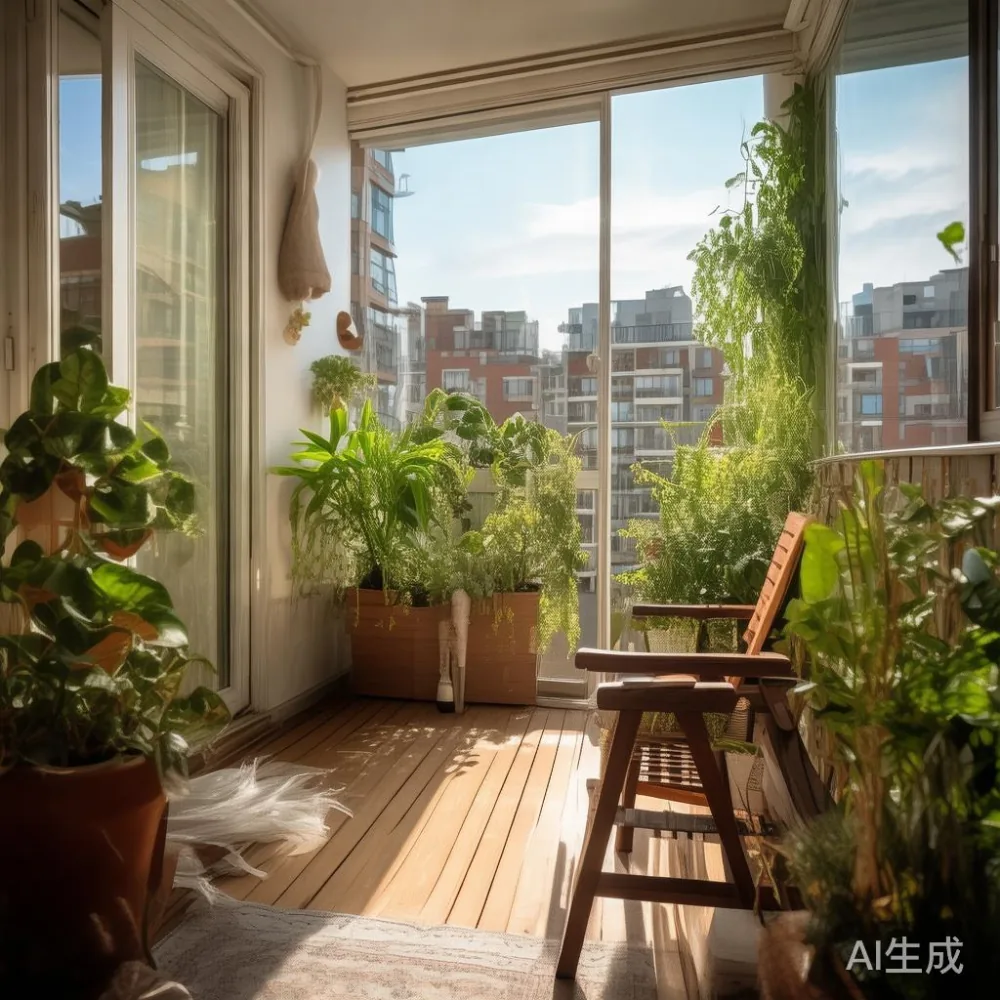
MIDHILL has built balcony furniture since 2008, with a 10-year structural warranty and lifetime refinishing support. The practical advice here suits compact Singapore interiors, including narrow common corridors and older lifts with door openings around 90 cm. Before ordering a large dining table, measure the lift, turning space, corridor, and balcony threshold rather than relying on product photographs alone.
What makes lacquer different in Singapore’s humidity?
Lacquer is a cured surface coating applied over timber. It can resemble high-gloss piano finish or carry a softer satin sheen, but either type has a thin top layer that responds differently to ultraviolet light, standing water, heat, and abrasive dust. A well-finished solid wood dining table may expand and contract by roughly 2–6 mm across its width as humidity changes through the year. That movement is normal; repeated moisture exposure can encourage the lacquer to check, blister, or lose adhesion around joints and edges.
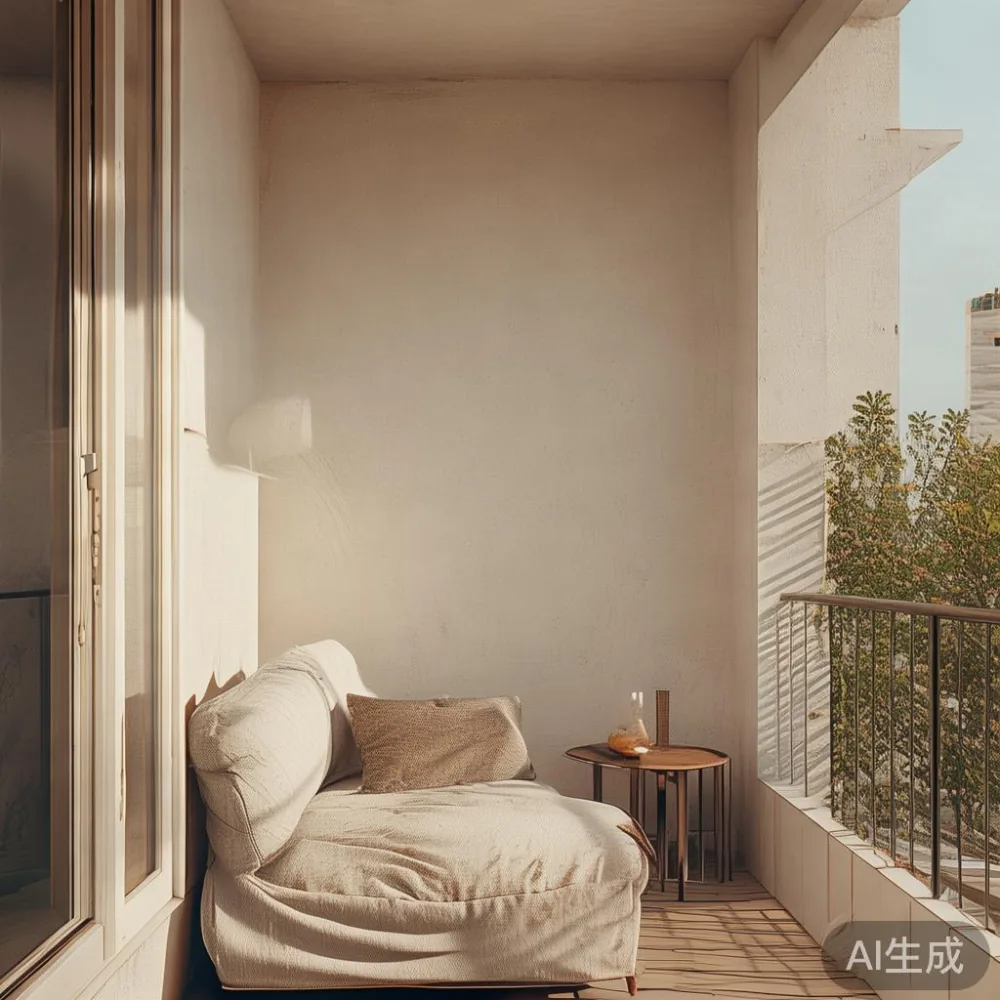
Singapore’s relative humidity commonly ranges from about 65% to 85%, while afternoon temperatures may reach 32–34°C. A west-facing balcony in Tampines can become substantially hotter than the air-conditioned flat, particularly between 1 pm and 5 pm. UV exposure may fade a rich walnut or ebony tone, while humid nights slow the evaporation of moisture trapped under a cushion or coaster.
Choose balcony furniture with solid wood frames, stable joinery, and a finish documented for outdoor or semi-outdoor use. A solid wood sofa, bed frame, dining table, wardrobe, nightstand, or marble table belongs indoors unless the manufacturer confirms outdoor suitability. Marble tables need particular caution because acid-rich liquids can etch the stone, while timber components around them still require moisture control.
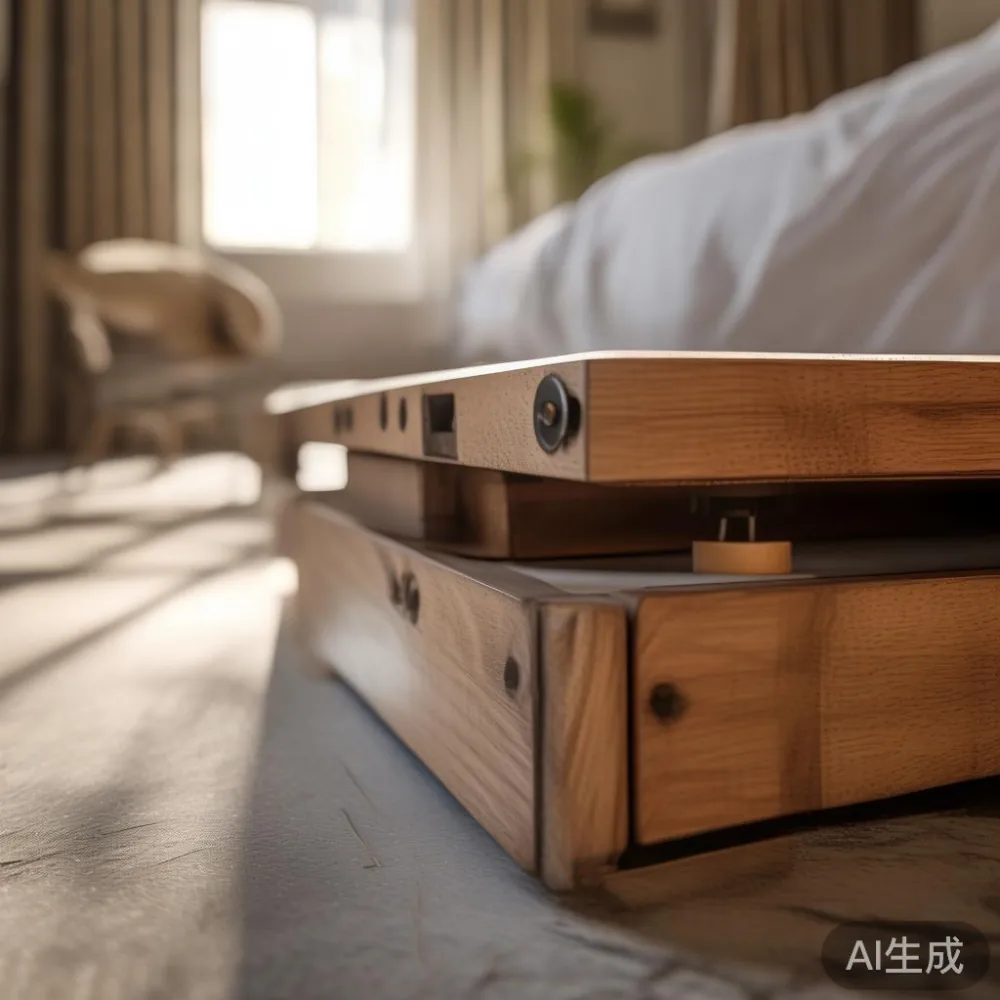
For a broader comparison, a designer may search for for sale Minimalist furniture or wholesale Mid-century modern furniture. Those phrases often describe style rather than performance. Ask for coating composition, veneer or solid timber details, warranty exclusions, and care instructions instead of assuming that “lacquered” means suitable for an exposed balcony.
How should I clean a lacquered balcony dining table?
Start with the least aggressive method. Wipe the surface once a week with a clean microfibre cloth lightly dampened with warm water. A 35 × 35 cm cloth is easy to control, and 2–3 sprays of water are enough for a 90 × 60 cm table. Wring the cloth rather than spraying the lacquer directly. This avoids liquid entering joints, scratches, or the gap between a marble table top and its supporting base.
Follow with a separate dry cloth. Grit acts like sandpaper under a damp cloth, so wiping grit across lacquer can create fine scratches. If residue remains, add a small drop of mild pH-neutral dish soap to about 500 ml of water. Never use bleach, ammonia, alcohol, vinegar, abrasive pads, silicone polish, or furniture oils on lacquer unless MIDHILL explicitly approves them.
For dining use, place felt or cork pads beneath coasters, bowls, and saucepots. Keep at least 3 cm between a hot pan and the table edge; a pot that is 180°C can soften or distort some coatings. Wipe spills within 5 minutes, especially soy sauce, wine, and acidic fruit juice. Do not leave wet rings overnight.
How often should balcony furniture be protected from sun and rain?
Inspect the lacquer every 2 weeks during wetter periods and monthly during cooler months. Look for cloudiness, lifting at the edge, paler patches, sticky areas, or a change in sheen. Move lightweight pieces under cover when practical, but allow airflow around them. A tightly packed group of chairs can trap humidity even when covered.
Use a balcony awning, external blind, or UV-filtering screen where possible. Aim to shade a west-facing balcony for at least 5 hours of the strongest afternoon light. A fabric canopy with a minimum of 30% UV-blocking capability is more useful than a decorative mesh that blocks little sunlight. Do not drape plastic sheeting directly over lacquer; condensation can remain trapped against the finish for hours.
Position furniture at least 10–15 cm away from a parapet or drain where wind-driven rain can strike it. Check drainage after a 15-minute shower and make sure legs do not stand in 2–3 mm of pooled water. Raise small items, such as a lacquered nightstand used as an outdoor side table, on stable feet rather than stacked blocks that may shift.
For material comparisons, European for dining room collections often combine pale oak, restrained profiles, and light-luxury presentation. Likewise, French bed vs Nordic bed discussions usually concern shape and proportion more than lacquer care. A bed frame or wardrobe should stay in a dry interior because its large flat surfaces make humidity and edge lifting easier to notice.
Can a scratch in the lacquer be repaired safely?
Small surface marks can often be treated without replacing the piece. First, clean the area and identify whether the mark is in the clear lacquer or in the colour coat. A fingernail test is imperfect, so use a 10× magnification loupe if available. Deep splits, lifting, or exposed timber need professional assessment rather than household filler.
For a fine scuff, try a clean microfibre cloth with a tiny amount of the approved care product supplied with the piece. Test an inconspicuous 5 × 5 cm area and wait 24 hours before treating the full panel. Circular rubbing should be light: approximately 5–10 passes, not aggressive buffing. Heat from a hair dryer or the friction of a cotton rag can create a dull halo around the repair.
Last month I visited a client’s Bedok condo with a solid wood dining table beside a sliding glass door. A lunch guest had left a ring 3 mm wide, and the lacquer appeared hazy after the client used an abrasive household cleaner. We cleaned it with warm water and a mild detergent, allowed the area to dry for 20 minutes, then used the supplier’s approved polishing compound in two light passes. The mark became much less visible within 40 minutes, while the surrounding sheen remained even. The lesson was simple: once a surface is contaminated, more pressure rarely helps.
MIDHILL’s lifetime refinishing service can make a larger repair more predictable when documented condition, photographs, and product details are available. Coverage and transport terms should be confirmed directly, as damage from outdoor exposure may require assessment.
How do I prevent mould, mildew, and swelling around lacquered joints?
Humidity control begins with drying. Remove seat and table cushions after rain, stand them upright, and space them 5–10 cm apart so both sides can dry. Check under outdoor-look cushions, where a solid wood sofa frame can remain wet while the top feels dry. For a balcony used as an extension of the living room, wipe chair seats and armrests with a dry cloth every 7 days and after visible rain.
Use a digital hygrometer near the balcony, not merely inside the air-conditioned flat. Aim for readings below approximately 75% when the surface can be ventilated. In a typical HDB balcony, opening the sliding door and using a fan for 30–60 minutes after rain helps move humid air out. Keep the opening clear: a stack of boxes only 20 cm from the slider can interrupt airflow.
At joints, look for a slight gap of more than 1 mm, a soft surface, or a musty smell. Do not fill a swollen joint with silicone or lacquer. Silicone can trap water and hide movement, while lacquer applied over damp timber may peel later. Allow the piece to dry naturally and contact MIDHILL if the movement continues or the coating separates.
Different design vocabularies affect care. A post-modern light luxury scheme may use sharp lacquered planes, while French light luxury often favours clean curves and pale upholstery. Italian light luxury for guest room projects commonly pair refined timber with stone and metal; those combinations still require separate rules for lacquer and marble. An Italian-style guest-room balcony arrangement should keep the wardrobe, bed frame, and nightstand indoors, using the balcony only for suitable seating and occasional tables.
What should I check before choosing lacquered balcony furniture?
Ask for measurable information: dimensions in cm, assembled weight in kg, lacquer type, timber species, coating thickness if disclosed, UV guidance, cleaning instructions, and warranty coverage. Confirm whether the product is rated for full outdoor exposure, covered outdoor use, or indoor use only. “Water resistant” does not mean a lacquered surface can remain wet for 12 hours.
Measure access carefully. A standard HDB lift may have an internal depth of 135–160 cm and a door width near 90 cm, although building specifications vary. A dining table may fit in the lift but fail at the corridor turn. Remove detachable legs where the design permits, protect each fixing, and use 2–4 blankets or 5 mm foam around corners. A piece weighing 65 kg may require 3 people and a trolley with a 300 kg rating.
Budget in Singapore dollars and include the whole cost. A balcony dining set priced at SGD 1,480 before GST becomes SGD 1,628 after 10% GST. Add SGD 80–180 for delivery to a non-lift floor, depending on access. MIDHILL offers free shipping for orders over US$350, but the final Singapore delivery quotation should be confirmed because international thresholds do not automatically include every local handling fee.
Allow 7–14 delivery days for a made-to-order piece, and inspect it within 48 hours of arrival. Check all 6 legs, 4 corners, and any 2 drawers for movement. Photograph the condition before assembly. If a lacquered panel arrives damaged, keep the protective film on the damaged area and report it promptly rather than applying oil or attempting a broad repair.
Check the return policy too. MIDHILL provides a 14-day returns window, subject to condition and product rules. Returned furniture should be protected, dry, and complete with its hardware. For bulky balcony furniture, collection arrangements and lift fees should be agreed before the item leaves the property.
Can balcony furniture still fit a light-luxury Singapore home?
Yes, if scale, finish, and exposure are managed together. French light luxury and American light luxury both suit restrained colour, tactile timber, and clean spacing, but a pale lacquered finish shows greasy fingerprints sooner than a dark matte finish. Warm beige, mushroom, or muted taupe can feel composed against an HDB balcony’s common grey floor and white railing. Avoid a crowded arrangement that blocks drainage or narrows a passage below 90 cm.
For a 2.8 × 1.5 m balcony, a compact 120 × 70 cm dining table with 4 slim chairs may leave approximately 70 cm for circulation on one side and 50 cm on the other after placement. Actual clearances depend on railing depth, air-conditioner housing, and door position. A 45 × 45 cm side table can serve drinks while a larger table remains protected from direct service.
Pair solid wood furniture with outdoor-rated textiles that can be removed and washed, rather than treating upholstered balcony furniture as permanent outdoor furniture. For accents, add a 30 cm planter with drainage and keep it 10 cm from lacquered surfaces. Its wet soil should never touch the furniture base.
The most useful routine is modest: wipe weekly, inspect monthly, dry after rain, and intervene within 5 minutes of a spill. Keep strong sun and standing water away, use coasters, and document any damage early. With those habits, lacquered balcony furniture can retain its smooth surface and visual calm while remaining practical for the tropical conditions of Tampines, Bedok, and Punggol.