Humidity, HDB Lifts, and Balcony Furniture: A Singapore Owner’s Guide to Solid Wood That Lasts
If you live in a Tampines five-room flat, a Punggol executive condominium, or a Bedok walk-up, you already know the truth about furniture in Singapore: the weather wins, unless the wood was picked and built with the weather in mind. I learned this the hard way last March when a friend’s four-year-old teak balcony chair cracked across the seat slats. The wood had come from a Sunday-morning showroom with no climate disclosure, no kiln-dry certificate, and absolutely no plan for an outdoor corridor shelf. We measured the repair at S$240 and threw the chair away. That single afternoon is what pushed me to write this guide for anyone buying balcony furniture in Singapore, where relative humidity sits between 78% and 92% for most of the year and afternoon thunderstorms can dump 60mm of rain in an hour.
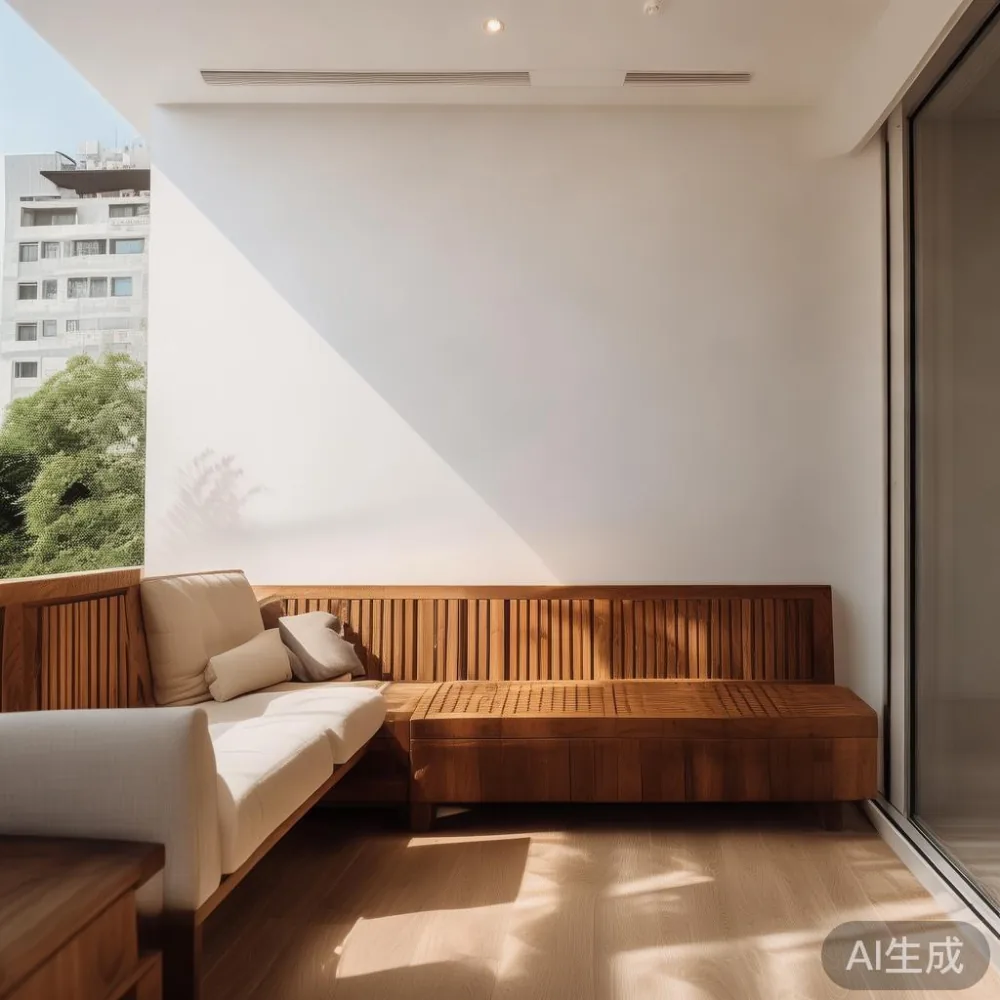
Why is Singapore’s humidity so unkind to solid wood on the balcony?
Wood is a hygroscopic material. In plain terms, it drinks and breathes water with the surrounding air. When relative humidity climbs above 70%, the cells in the outer 3-5mm of an unfinished oak or ash board swell. When a gust of air-conditioning or a sudden dry spell drops humidity to 55%, those same cells shrink. That 15-35% daily swing is what produces the cupping, crowning, and cracking that turn a S$1,850 balcony furniture set into a wobbling eyesore within two wet seasons.
The numbers matter here. A solid wood sofa frame made from 4cm-thick FAS-grade ash that has only been air-dried will move roughly 4-6mm across its width over a Singapore year. A kiln-dried version, conditioned to 8-10% moisture content in a dehumidifying kiln and then acclimatised in a 25°C, 65% RH chamber, will move closer to 2-3mm. That 2mm difference is the line between a tight, silent frame and one that squeaks every time your neighbour walks past on the 28th-floor corridor.
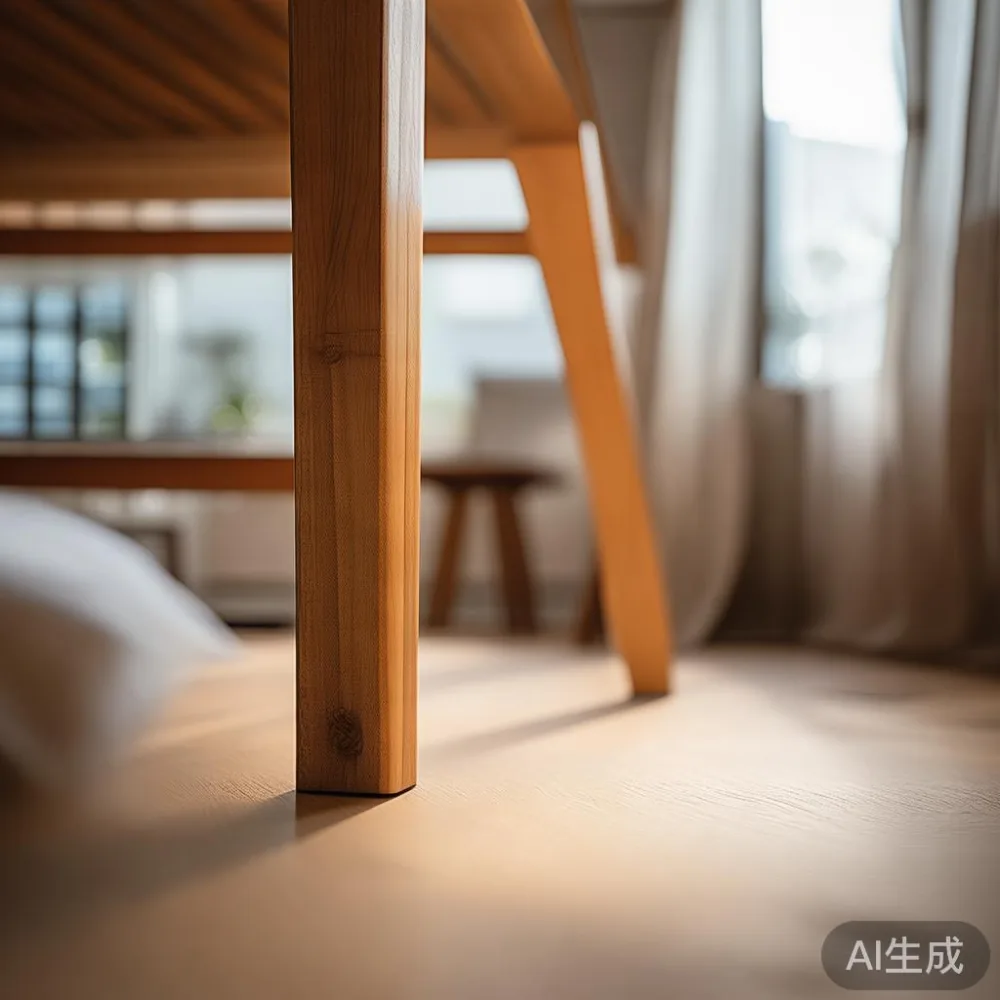
What kinds of wood actually hold up on a HDB or condo balcony?
Three species behave well in our climate when they have been properly dried and finished:
Teak (Tectona grandis). Natural oil content of 4-7% gives teak its grip on humid air. A teak balcony bench in the 120cm length will weigh 18-22kg, which is heavy enough to stay put when the monsoon helper winds hit 35km/h. Expect to pay roughly S$2,400-S$3,600 for a two-seater teak bench from a Foshan workshop that kiln-dries to 10% moisture content.
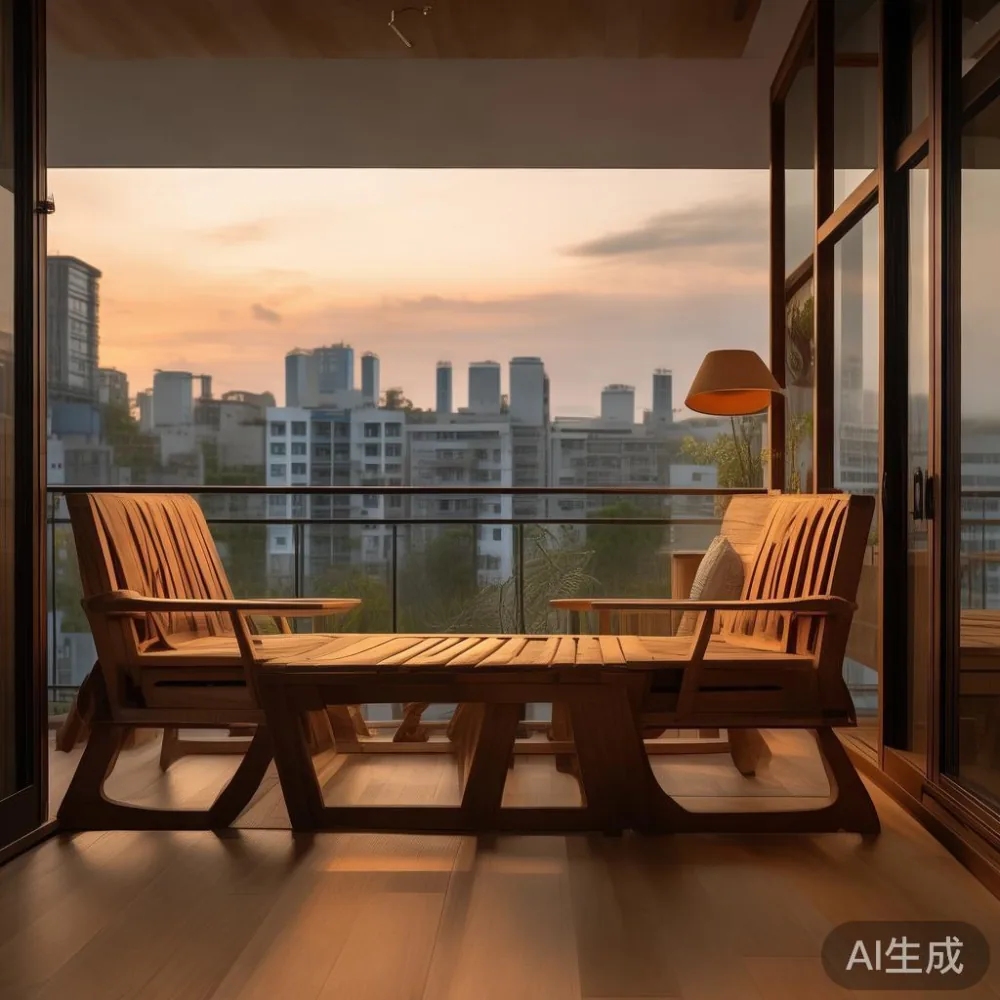
White oak and ash. These are the workhorses behind most luxury Modern light luxury furniture designs you see in Tiong Bahru and Cairnhill showrooms. They take dark stains beautifully and carve clean lines, which is why you’ll find them wrapped around a solid wood sofa or a low Mid-century modern TV console. They must be finished with at least three coats of marine-grade polyurethane and re-oiled every 12-18 months.
Acacia and eucalyptus (outdoor-rated). These are the budget heroes. A 150cm acacia balcony table can be had for around S$680-S$920. They need annual sealing, but they tolerate the morning dew that condenses on balcony parapets from 5am to 8am.
Will the furniture even fit through my HDB lift?
This is where most Singapore owners get caught. Standard HDB passenger lifts are 1.1m wide by 1.4m deep with a door opening of 0.9m. A king-size bed frame in solid wood, even disassembled, often arrives in boxes measuring 215cm x 75cm x 18cm. That fits a lift on paper but leaves no room for the two deliverymen. Service lifts in newer condos at Punggol and Canberra are larger, typically 1.5m x 1.8m with a 1.2m door.
Measure before you pay. A 200cm dining table in a single slab cannot enter any HDB lift; it has to be a two-piece extension. A 180cm wardrobe in solid acacia often arrives as a flat-pack with nine panels under 110cm each, which solves the lift problem but adds 90 minutes of on-site assembly, usually billed at S$45-S$70 per piece. A nightstand in oak is rarely a problem; it travels in a box no larger than 55cm x 55cm x 70cm and weighs 22-28kg.
I watched a delivery in Bishan last month where two men tried to angle a 210cm marble table top up a 1.1m lift. They could not. They carried it up 12 storeys via the service staircase — a 90-minute job that should have been a 12-minute ride. The customer paid an extra S$180 in stair-climb fees. The lesson: confirm the inner lift car dimensions, the door width, and the corner radius on every floor the crew must pass, especially on the 28th floor corridor of a Punggol EC where the corridor itself narrows to 1.2m for the last four units.
Is American wardrobe worth it for a small Singapore bedroom, really?
The American wardrobe — broad, deep, often built in oak or birch with a 60cm carcass — promises 30% more hanging space than a typical 50cm-deep HDB-friendly design. The honest answer is: yes, but only if you have the floor area. A standard American three-door wardrobe measures 180cm wide, 60cm deep, and 220cm tall, weighing 110-135kg once assembled. That footprint eats 1.08 sqm of bedroom floor. In a 10 sqm HDB bedroom, that is over 10% of your usable space, before you park the bed frame and the nightstand. In a 16 sqm master bedroom in a condo, the same wardrobe leaves room for a queen bed frame, two nightstands, and still keeps a 60cm walking path. Price-wise, a Foshan-made oak American wardrobe with soft-close hinges lands between S$2,100 and S$3,400 delivered, while an equivalent French provincial wardrobe with carved cornices runs S$3,800-S$5,200. The choice between an American bed vs French provincial bed is really a choice about room size and ceiling height. Beds follow the same logic. A king-size American bed frame in solid ash runs 198cm x 213cm externally and matches a 180cm American wardrobe visually. A French provincial bed frame, with its 175cm headboard and carved crown, suits a 3.2m ceiling and a slightly smaller footprint.
How should I treat balcony furniture the day it arrives?
Solid wood needs 7-10 days of acclimatisation on the balcony before heavy use. During those days, mist the surface with a clean cloth once every morning and keep the piece out of direct afternoon sun from 1pm to 4pm, the hours when UV exposure and heat load peak on west-facing HDB balconets.
A simple weekly wipe-down with a damp microfibre cloth, followed by a dry buff, controls the salt film that builds up on balcony furniture within 10km of the coast. In Tanah Merah or Marine Parade, that film appears in three days; in Bukit Timah, three weeks. Apply a paste wax or hard wax oil every six months — a 500ml tin costs S$38-S$55 and covers a two-seat bench three to four times. Keep furniture 5-8cm off the floor on rubber or acacia feet to allow airflow, which stops the underside from holding the 2-3% extra moisture that triggers black mildew.
For a marble table on the balcony, the rule is the opposite. Marble is comfortable at 20-28°C and tolerates humidity well, but it stains from leaf tannins if a teak planter sits directly on top. Use felt pads and rotate your planters every month.
What price should I actually budget in Singapore dollars?
Here is a realistic spread for a Foshan workshop with kiln-drying, UV-stable finishes, and GST included at 9%:
• Teak balcony bench, 120cm: S$2,400-S$3,600
• Acacia balcony dining set (table + 4 chairs): S$1,650-S$2,400
• Solid oak dining table, 200cm extendable: S$2,800-S$4,200
• Solid ash bed frame, queen: S$1,550-S$2,350
• Marble table with solid wood base, 110cm: S$2,100-S$3,000
• Oak wardrobe, 3-door American style: S$2,100-S$3,400
• Nightstand in oak, 2-drawer: S$480-S$780
• Mid-century modern TV console in ash, 180cm: S$1,450-S$2,250
Delivery to a Singapore address typically takes 18-28 days by sea from Foshan plus 3-5 days of white-glove scheduling. Many workshops, including MIDHILL, have refined this route so well that they can offer full insurance, room-of-choice placement, and packaging removal for parcels above a single-figure SGD threshold, which keeps the total landed cost predictable. The same route works for a 14-day return window, although for a custom dining table or wardrobe you usually pay a 15-25% restocking fee.
What design styles photograph well against a Singapore balcony view?
Three directions handle our humidity, our 78-92% RH, and our 28-32°C afternoon highs without looking tired after one monsoon:
French light luxury. Cream-painted frames, brass cup pulls, slim cabriole legs on a nightstand. The look softens the concrete of a Punggol balcony and reads beautifully against a champagne-grey parapet. Keep the painted finish to balcony use only if it has a marine-grade clear coat over the colour.
American light luxury. Wider proportions, darker walnut or oak tones, clean shaker lines on a wardrobe or solid wood sofa. Pairs well with a navy outdoor rug and brushed-nickel outdoor sconces.
Post-modern light luxury. Lacquered accent panels in deep forest or oxblood, geometric handles, low-slung marble tables. A 110cm marble table in Carrara white with a black powder-coated base is the anchor piece many owners on the 38th floor of a Pinnacle@Duxton-style tower reach for.
Each of these styles works because the joinery underneath is solid wood, the surfaces are sealed, and the silhouettes are simple enough that dust and pollen wipe off in seconds. A busy carving on a balcony piece collects grime that takes 20 minutes to clean after the haze season.
How do I shop for the best Modern sofa for 2026 without getting soaked by the weather?
The phrase gets thrown around carelessly, but the spec behind it is concrete: a kiln-dried ash or oak frame, eight-way hand-tied springs, sinuous edge support, a 35-density high-resilience foam core wrapped in 250gsm polyester fibre, and a performance fabric rated to 50,000 double rubs. Add a removable, washable cover and you have a sofa that survives the 2026 monsoon, the year after, and the year after that.
Pricing in Singapore for a 230cm three-seater in that spec sits between S$3,800 and S$6,200. The sweet spot for light luxury for apartment living in a 92 sqm HDB flat is a 210cm two-seater in light grey performance bouclé, around S$2,800-S$3,600 delivered. Pair that sofa with a 110cm round marble table, a slim oak TV console, and two upholstered dining chairs that double as occasional balcony seating, and you have a living room that handles humidity, lifts, and the next ten wet seasons without complaint.
One quick checklist before you click pay
1. Confirm the wood species and the kiln-dry moisture content, written on the invoice (8-10% is the target).
2. Measure the inner car size of every lift the delivery will use, from the loading bay to the 28th floor.
3. Check the corridor turning radius on the destination floor.
4. Confirm whether the balcony gets direct afternoon sun; if yes, request a UV-stable topcoat.
5. Confirm the warranty terms. A 10-year structural warranty on a Foshan solid wood sofa or bed frame is now common, and lifetime refinishing is offered by several workshops, including MIDHILL, which has shipped to more than 15 countries since 2008.
6. Ask about the restocking fee for a custom wardrobe or dining table, and read the 14-day return policy carefully.
7. Budget 9% GST on the landed price and keep S$80-S$150 aside for in-home assembly, which is realistic for an oak wardrobe or a queen bed frame.
And one quiet note from my own balcony
After replacing that cracked teak chair, I chose a 150cm acacia balcony table, two stackable acacia armchairs, and a pair of oak planters finished with a marine-grade wax oil. Eighteen months in, including two full monsoon seasons and the March 2025 heatwave, the wood has silvered evenly, the joints are tight, and the chairs still fold flat against the wall when the laundry racks come out. The total landed cost was S$1,860, of which S$165 went to the delivery team that patiently measured the lift at Bishan before signing off. Solid wood rewards patience, a moisture meter, and a 500ml tin of wax oil every six months. Anything else, the weather will eventually take back.