What Actually Drives the Price of Solid Wood Furniture
I spent a Saturday last month at the Tampines grey wholesale market with a colleague who was hunting for a dining table. We timed the lift at a nearby HDB Block 612A in Tampines North before we even walked into a museum; the freight elevator measured 1.6 m wide by 2.1 m deep, with a posted limit of 850 kg. That single measurement told us more about furniture pricing than any showroom salesperson could, because the lift dimensions dictate what can be physically delivered to a 12th-floor unit in Bedok or Punggol without dismantling. Three weeks later, watching the same colleague wrestle a 2.8 m solid wood dining table up a service staircase in a walk-up corridor that was 1.05 m wide, I understood why some pieces cost 1,800 SGD and others cost 4,200 SGD. The price is rarely about the wood. The price is about everything wrapped around the actual decision to buy.
The Wood Itself: Species, Grade, and Origin
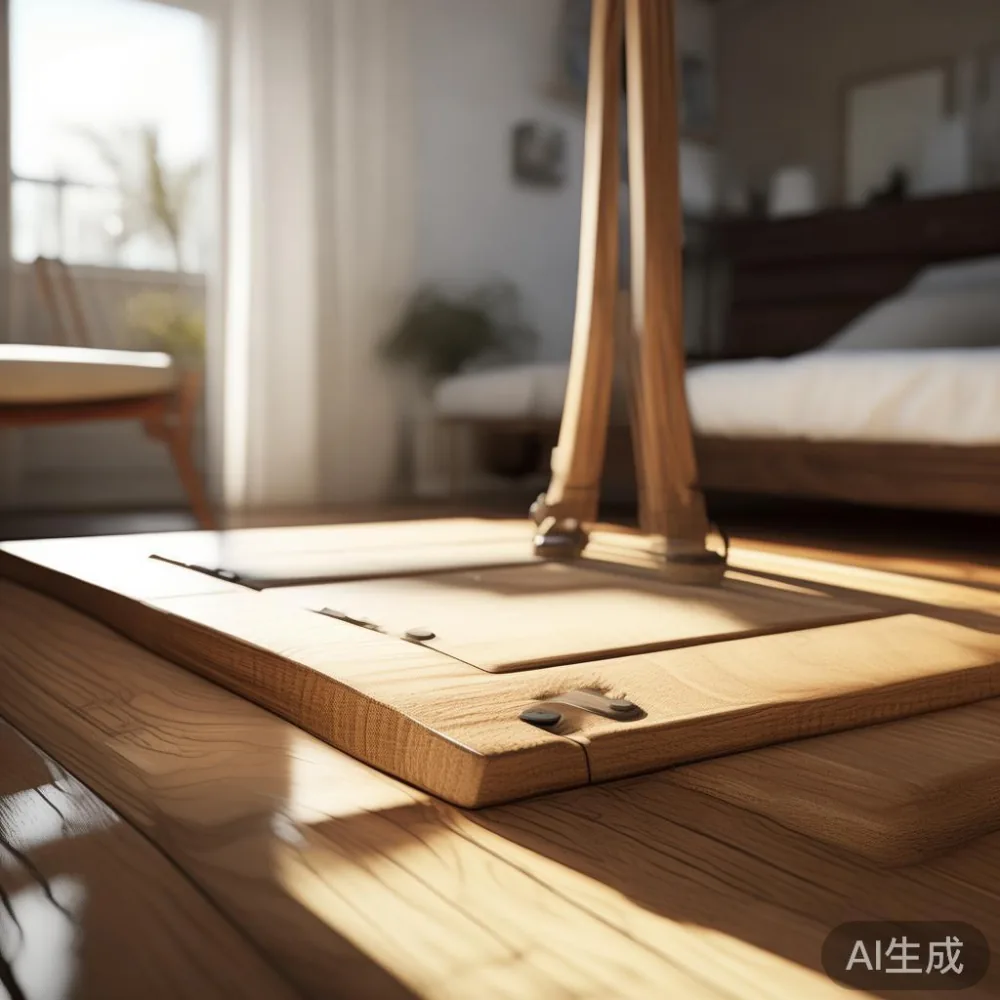
Solid wood sounds like one category, but it covers everything. A dining table in Chinese oak at 1,480 SGD and the same table in North American white oak at 2,650 SGD can share a finish and almost identical trim. The species name changes; the construction does not. FAS-grade North American walnut runs about 3.2 times the price per cubic metre of Chinese ash, and European oak runs about 2.4 times. Burmese teak, the species you find in older HDB balconies from the 1990s, has roughly tripled in price since 2018.
But species is only the first variable. Grade matters just as much. A-frame furniture is built using boards that contain knots, mineral streaking, and occasional sap pockets. A/B grade furniture selects boards with consistent grain and minimal defects, then uses only the inner heartwood cuts. The yield from a 1 m³ log to usable A-grade boards is around 32%; for B-grade it climbs to roughly 58%. That yield gap is why some solid wood bed frames feel inert and quiet when you run your palm across them, and others feel busy.
Construction Method and Joinery
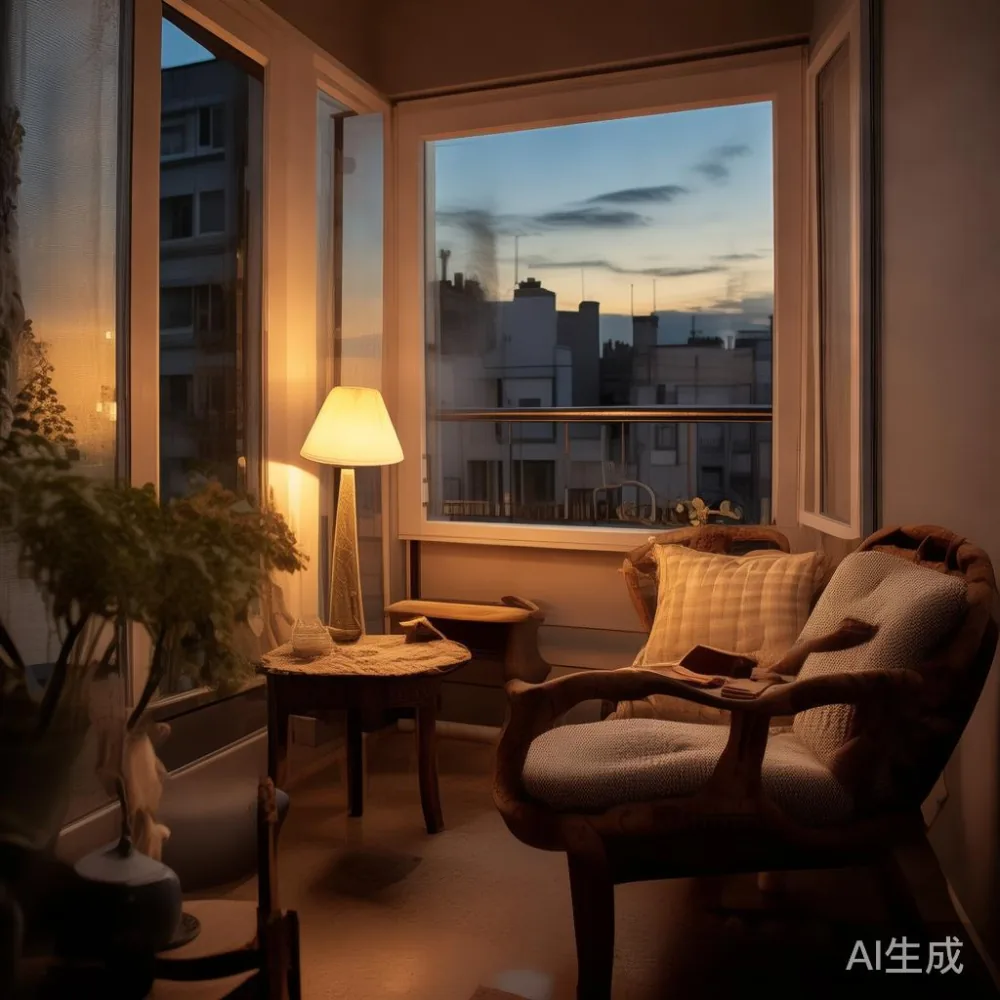
Here is where balcony furniture buyers should pay close attention, because balcony pieces live outside. A solid wood balcony chair or balcony bistro set that uses stainless steel or brass hardware, mortise-and-tenon joinery, and marine-grade adhesives will outlast a screwed-and-glued piece by 8 to 12 years. The joinery premium on a single chair runs 180 to 260 SGD. The savings on replacing a failed piece every three years add up much faster.
Inside the home, the same logic applies to larger pieces. A solid wood sofa frame that is dowelled, screwed, and glued with corner blocks will not loosen the way a purely stapled frame will. A wardrobe with full dovetail drawer boxes and 12 mm solid wood backs will outlast a wardrobe with 6 mm plywood backs and stapled joints. The construction method is invisible at the showroom. It shows up in year seven.
Finishing, Upholstery, and Surface Treatments
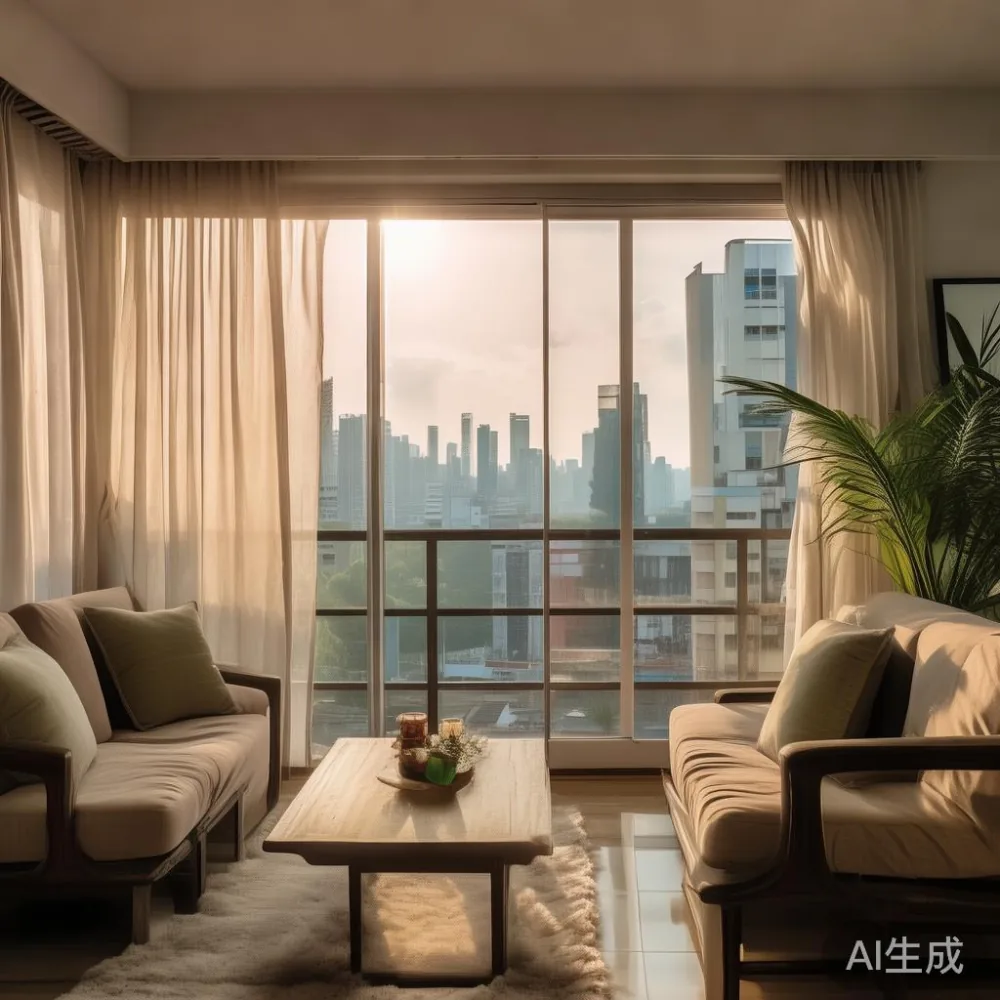
A solid wood dining table finished in hardwax oil feels different under the hand than one finished in polyurethane, and the two finishes age in opposite directions. Hardwax oil costs 45 to 90 SGD per square metre of coverage; polyurethane costs 25 to 50 SGD. Hardwax oil can be spot-repaired by sanding 80 to 120 grit and reapplying. Flat paints require a full strip and refinish. That is the practical difference behind the lifetime refinishing warranty that the makers at MIDHILL extend on every solid wood item.
Upholstery on a solid wood sofa adds 380 to 720 SGD per seat depending on leather grade. Top-grain Italian leather runs 1.7 times the price of corrected-grain leather. Marble tables follow a similar curve: Carrara marble tops run 480 to 720 SGD per square metre; Calacatta runs 1.6 times that; engineered quartz tops run 120 to 220 SGD per square metre. The weight of a marble table also changes the delivery calculus. A 1.4 m round Carrara marble top weighs about 95 kg; a comparable solid wood top weighs about 32 kg. That 63 kg difference matters when the lift capacity is 850 kg and the table is heading to a 14th-floor unit in Punggol.
Is Italian light luxury headboard furniture worth it?
Yes, Italian light luxury headboard furniture is worth the premium when the construction underneath matches the styling on top, because the styling is the cheap part and the construction is what you actually live with for the next 12 to 18 years. The phrase Italian light luxury, the same positioning you see in French light luxury and American light luxury lines, usually signals channel-tufted headboards, bouclé or linen-blend fabrics, brushed brass or champagne-painted legs, and softer, lower silhouettes suited to modern HDB master bedrooms in developments like Treasure At Tampines or The Florence Residences.
The styling premium on a light luxury headboard runs 280 to 520 SGD over a generic upholstered equivalent. Whether that wood and the underlying frame justify the premium depends entirely on what is inside. A light luxury headboard built on a kiln-dried solid wood frame with 8-way hand-tied foundation support and pocketed-coil springs will feel honest as a hand-knotted rug. A light luxury headboard built on a hollow MDF frame with foam-only support will feel dishonest as a printed poster of the same image. Look for the frame. Insist on the frame. The fabric and the tufting can be copied by any showroom in Geylang or Balestier within a quarter.
Shipping, Delivery, and the Singapore Lift Problem
This is the variable most online furniture shoppers underestimate. A 2.2 m solid wood dining table will not fit into a standard HDB lift. The internal dimensions of a typical HDB passenger lift are roughly 1.4 m wide by 2.1 m deep, with a 750 to 850 kg capacity. A solid wood dining table weighing 65 to 90 kg will fit diagonally, but a solid wood wardrobe standing 2.4 m tall will not. Corridors in newer condos like those in Punggol Digital District run about 1.6 m wide, which sounds wide until you account for the fire-hose reel on a long wall.
Special handling for non-fitting pieces runs 120 to 260 SGD per delivery. Some pieces have to be partially disassembled and reassembled on site, which adds 2 to 4 hours of labour. If a piece has to be hoisted by crane up the outside of a building, the bill can climb past 1,200 SGD. That is one reason the makers at MIDHILL publish clear cut-by-cut and pre-dimension data on every product page; the dimensions of the lift and the dimensions of the furniture need to meet in the corridor before the cheque clears.
Warranty, Refinishing, and After-Sale Structure
A 10-year structural warranty on a solid wood bed frame is not the same thing as a 10-year warranty on a veneered MDF bed frame. Solid wood moves with the seasons; it develops small checks, hairline cracks, and slight cupping as the relative humidity in Singapore swings between 70% in January and 85% in September. A solid wood warranty covers kiln-dried construction that has been allowed to take a quarter-inch of seasonal movement without warping. A 10-year warranty on the care of a hollow-core frame covers the warping. Read the warranty line carefully.
Lifetime refinishing is a different category of after-sale. A solid wood dining table refinished at year 12 still has roughly 0.6 of its original structural life remaining. A veneered dining table at year 12 has lost 0.8 of its surface area to replacement. The brand that offers refinishing and the brand that does not are operating in different categories. MIDHILL at MIDHILL extends lifetime refinishing because the wood underneath can take another pass; the structure underneath is the same wood that was there in the showroom.
Size, Scale, and the Balcony Furniture Question
Balcony furniture is where the price vector shows its margins most clearly. A typical HDB balcony in a Tampines or Greenlee development runs 4.2 m by 1.5 m, which gives roughly 6.3 m² of usable space. A balcony bistro set in solid teak at 880 SGD, a balcony lounge pair at 1,640 SGD, and a balcony planter-and-trellis set at 420 SGD will fill that space without crowding it. Balcony furniture in solid acacia or hollow aluminium costs 240 to 540 SGD less than balcony furniture in solid teak or solid eucalyptus, but it ages at a different slope. A balcony question in our showroom reads as the second of six answers; the price difference is real, and the rest of the balcony decision should follow from the room it has to weather.
Balcony pieces also face the most weather. UV exposure, monsoon rain, salt air for those in Punggol or East Coast facing the strait, and thermal cycling between 26°C nights and 34°C afternoons push wood harder in a year than an indoor dining table sees in five. That is why balcony furniture should be built from the same species the manufacturer uses for its indoor frames, finished in the same marine-grade finishes, and shipped with the same hardware. If the maker uses a different species and a different finish on its balcony line, the maker knows something about the balcony line that you do not.
How Do I Know What Before You Order?
Ask for the kiln-dry certificate. Ask for the species certificate. Ask for the finish sheet. Ask for the warranty period as a printout. Ask for the lift-friendly shipment. Ask how the piece will be crated, and ask whether the maker ships a balcony furniture set in a balcony-set shipment, not as part of a bedroom set shipment that will arrive on a different lorry at the same door.
The price of solid wood furniture is the sum of the kiln, the stocking, the packing, the lifting, the lift, the lifetime, and the listing. Get the listing right and the price follows. Get the price right without the listing and the lift will fail the second Tuesday of monsoon season, with the cheque already cleared and the chest of drawers already out of the picture.