Caring for Lacquered Surfaces in a Tropical Climate: What Balcony Furniture Owners in Singapore Need to Know
I first noticed the problem six months ago, when I visited a friend in a Punggol Waterway Block and saw her beloved balcony dining set covered in a fine, whitish film. She had bought the four-seater from a local reseller two years earlier, and the lacquered tabletop was already blooming with what looked like milky patches. The culprit was not bad craftsmanship. The culprit was three years of Tampines-level humidity, two afternoons of direct western sun, and a routine of wiping the table with a wet cloth after every meal. That afternoon, I went home, took notes, and started compiling this guide for anyone in Singapore who owns — or is thinking of owning — a solid wood dining table, a marble-topped side piece, a lacquered wardrobe, or any other item in the wider category we call balcony furniture.
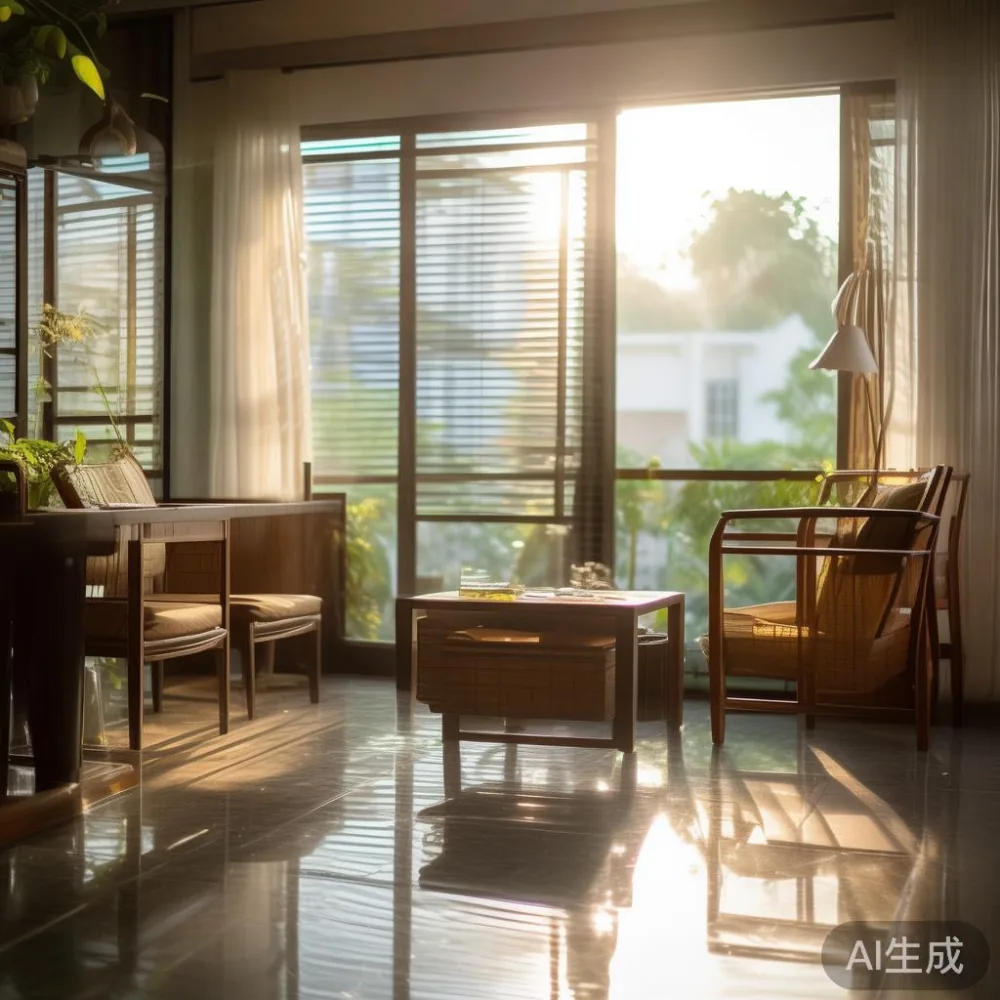
This article is written for Singapore HDB and condo households, where balcony space runs from roughly 1.2 m x 2.4 m (a standard service yard in older BTOs) to about 1.8 m x 4.8 m in newer Punggol or Sengkang units, and where a corridor between flats measures 1.2 m wide and the typical lift car interior is 1.5 m deep by 1.4 m wide — numbers that matter when you are planning the delivery of a 180 cm dining table or a 220 cm wardrobe. Pricing throughout is in SGD and includes the prevailing 9% GST.
Why Lacquered Balcony Furniture Struggles in Singapore's Weather
Singapore's ambient humidity sits between 70% and 90% for most of the year, with daily peaks reaching 95% after a thunderstorm in the Bedok or Pasir Ris area. Lacquer — whether a conversion varnish, a nitrocellulose finish, or the open-pore matte sealer used on many mid-century and post-modern light luxury pieces — is in effect a thin plastic skin laid over timber. That skin breathes. When wood absorbs moisture, it swells; when the air dries, it shrinks. A lacquered surface softens slightly during the swelling phase, hardens during the shrink, and after 200 to 400 cycles in our climate you will see micro-cracks, orange-peel texture, or the cloudy "blush" my friend noticed.
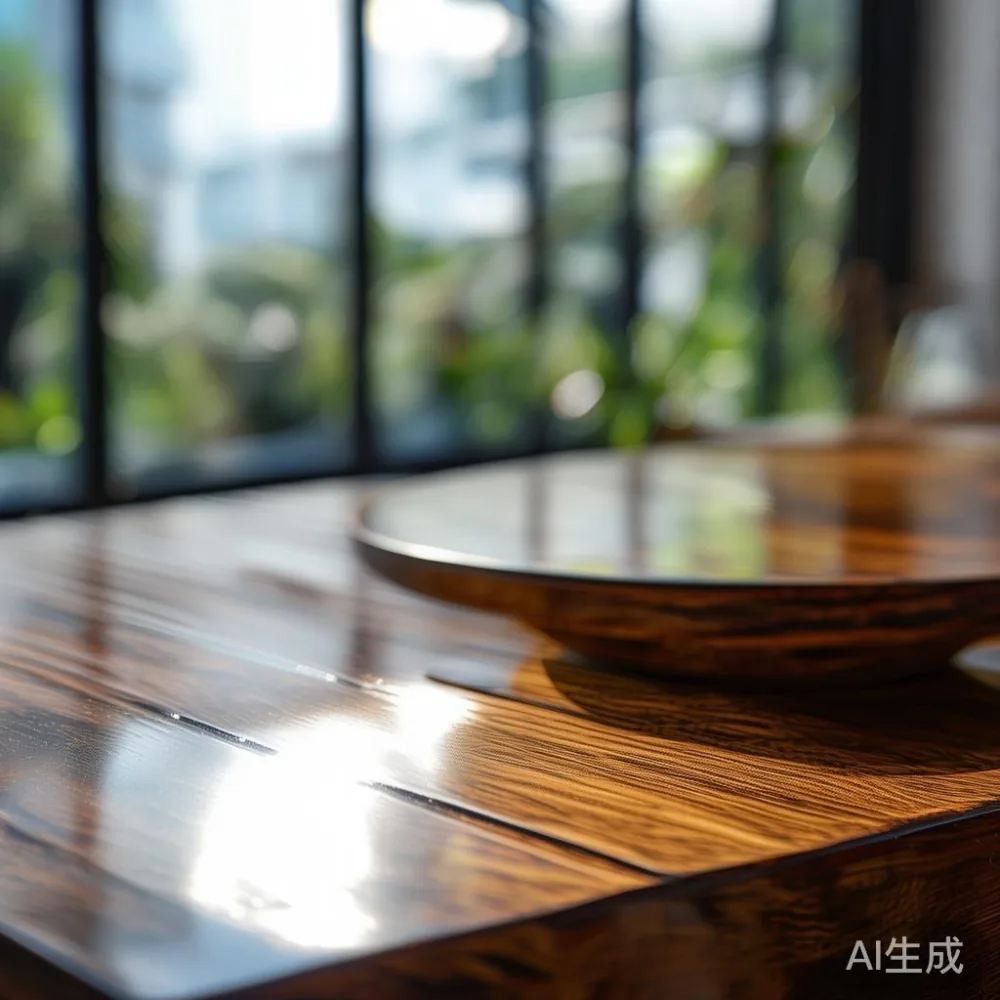
Add UV radiation. A west-facing balcony in a HDB block at Jurong East receives direct sun from 2 p.m. to 6 p.m. for roughly 180 days a year, and the lacquer film absorbs that radiation. The result: yellowing on pale oak, brittleness on walnut, and the chalky bloom that makes a new dining set look ten years old in twenty months. This is not a brand problem. It is a chemistry problem, and the fix is a combination of placement, cleaning, and — every two to three years — a proper refinish. MIDHILL's team in Foshan has shipped lacquered balcony furniture to 15+ countries, and their refinishing team routinely sends the same advice to customers from Jakarta to Manila: control the water, control the sun, control the cloth.
What Is the Difference Between Post-Modern Sectional Sofa and Modern Furniture?
A post-modern sectional sofa borrows the clean geometric lines of mid-century modern furniture but pairs them with warmer curves, mixed materials such as brushed brass legs or a marble side table, and a softer, more playful silhouette; modern furniture, by contrast, sticks to strictly minimal forms, monochrome palettes, and industrial materials without decorative accents. If you are choosing balcony furniture in a French light luxury style — pale timber, slim brass handles on the matching wardrobe, and a 160 cm dining table with a travertine-look marble top — the post-modern palette will feel more inviting in a Tampines condo balcony than the austere lines of pure modern design.
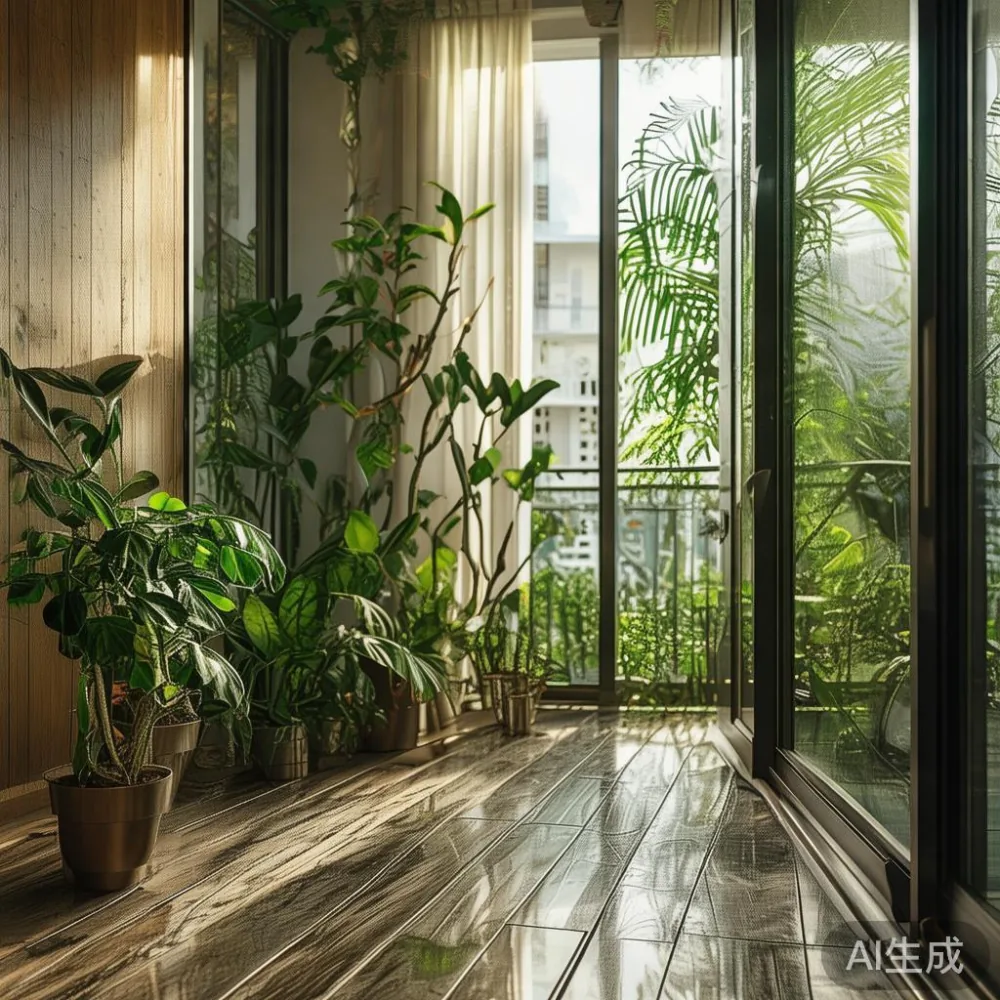
There is a practical consequence for owners. Post-modern lacquered pieces tend to use satin or matte finishes with higher pigment loads, which hide micro-scratches better than high-gloss modern lacquer. In a compact HDB balcony, where a compact sectional sofa for kids room might sit 90 cm from a lacquered side table, that scratch-hiding quality is not a luxury — it is a maintenance advantage. The shapes look softer; the finish is, in daily life, harder.
Daily Habits That Add 5 Years to a Lacquered Top (Costs in SGD)
You do not need a special product to maintain a lacquered balcony furniture piece. You need four habits, all of them free or under S$25.
1. Wipe with a damp microfibre, not a wet rag. A 3-pack of good-quality microfibre cloths at FairPrice or Don Don Donkin costs S$9.90. Wring it out until it feels almost dry to the touch, then wipe along the grain. Standing water left on lacquer for 30 minutes will start to leave marks.
2. Use coasters, every time. A set of four solid brass or marble coasters costs S$18 to S$45. Cold drinks in a 28°C afternoon will sweat a ring onto the surface within 20 minutes. Hot coffee does the same in five.
3. Move pieces out of direct western sun. If the balcony only has western exposure, place the dining table along the east wall and use a UV-resistant outdoor rug (S$60 to S$120 for a 200 cm x 140 cm piece). UV rays are responsible for roughly 60% of lacquer failure in our climate.
4. Dust before you wipe. Fine sand acts like sandpaper when trapped under a cloth. A 30-second pass with a dry microfibre first prevents the swirl marks you see when the sun hits the table at 4 p.m.
Last month I visited a colleague's HDB in Bedok Reservoir. She had applied habits 1, 2, and 4 to her four-year-old lacquered dining table (bought from a local retailer for S$1,480). The surface looked dull but unmarked. Her neighbour two floors down, with the same model purchased for S$1,420, had skipped the coasters and wiped with a dripping wet cloth weekly. The neighbour's tabletop was cloudy and felt sticky to the touch by month 18.
How Often Should You Refinish, and What Should It Cost in Singapore?
For lacquered balcony furniture in Singapore, plan a professional refinish every 24 to 36 months. A standard dining table (140 cm to 180 cm, six-seater) will cost S$280 to S$420 to strip, sand, seal, and re-lacquer with a two-pack polyurethane. A wardrobe or large sideboard (180 cm to 220 cm) runs S$450 to S$680. A lacquered bed frame or headboard typically comes in at S$180 to S$260 because the surfaces are flatter and easier to sand. A nightstand or small side table is the cheapest at S$90 to S$140.
These prices assume the furniture can be moved to a workshop. If the piece is too large to leave the apartment — say a built-in-looking wardrobe over 200 cm — expect an on-site fee of S$80 to S$150 on top, and check your corridor width first. Most HDB corridors are 1.2 m wide; a 220 cm wardrobe on its side will just clear a 1.2 m corridor if you rotate it diagonally. In a condo with a service lift that measures 1.6 m deep by 1.3 m wide, a wardrobe laid flat will fit without tilting.
MIDHILL's lifetime refinishing service, offered to direct customers, covers return shipping from Singapore back to the Foshan workshop for pieces over 40 kg, with the customer paying only the inbound leg — typically S$180 to S$260 by sea freight from Singapore to Guangzhou, then road to Foshan. That is a real saving when a single dining table refinish locally costs S$320 plus the hassle of moving a 75 kg table through a 1.2 m corridor.
What Cleaning Products Are Safe on a Lacquered Surface in Singapore?
Stick to three categories: plain water, a pH-neutral wood soap (S$14 to S$22 for 250 ml at any家居 store in Jalan Besar or on Shopee), and a dedicated lacquer cleaner such as those sold for automotive finishes (S$18 to S$28 for 500 ml). Avoid anything containing silicone, ammonia, or vinegar. Silicone leaves a film that prevents future refinishing — your next coat will fish-eye and fail. Ammonia strips the lacquer over time. Vinegar, weak as it sounds, will dull a satin finish in three passes.
If the piece has a marble component — for example, a dining table with a travertine-look marble top, or a marble side table paired with a lacquered base — never use a generic all-purpose cleaner on the stone. Use a marble-specific spray (S$22 to S$35) and reseal the marble every 12 months with a penetrating sealer (S$38 for 500 ml). The lacquered wood and the porous marble have opposite needs: the wood needs to stay dry, the marble needs to stay sealed.
Storage, Storms, and the HDB Balcony Cover Rules
HDB balcony covers are compulsory for most flats built after 2003, and they cut direct rain exposure by 70% to 80%. They do not cut humidity, which means a balcony furniture set will still "sweat" during the southwest monsoon from June to September. Use a dehumidifier rated for 10 to 20 sqm if you keep valuable pieces on the balcony — a Meaco or similar unit costs S$189 to S$329 and pulls 250 to 500 ml of water per hour at 80% RH.
During a Sumatra squall — when wind-driven rain comes in from the west at 30 km/h — move the dining chairs inside. Solid wood chairs weigh 4 to 6 kg each and are easy to stack against the wall. A dining table is harder to move; instead, drape a fitted outdoor cover over it (S$35 to S$65 for a six-seater). Do not use a plastic tarpaulin directly on lacquer; it traps moisture and causes the blush within hours. Use breathable fabric only.
When to Repair, When to Replace (A Quick Decision Tree)
If the damage is surface-only — light scratches, dull patches, water rings — refinishing will restore it for 20% to 30% of the replacement cost. If the damage is structural — joints loose, wood swollen at the corners, lacquer peeling in sheets — repair may cost 50% or more of a new piece, and replacement often makes sense. For a lacquered bed frame, a new queen-size model from MIDHILL (FSC-certified solid wood, post-modern light luxury style, satin finish, 10-year structural warranty) costs S$1,380 to S$1,950 delivered to a Singapore condo with free shipping on orders over US$350. Repair of a failing bed frame typically costs S$260 to S$420, so the tipping point is around the 25% mark.
For a lacquered dining table, the same logic applies: new pieces in the MIDHILL balcony-friendly range — solid wood, 140 cm to 180 cm, compatible with a compact sectional sofa for kids room if you are furnishing an open-plan space — sit between S$1,180 and S$2,260 delivered. If your current piece is more than eight years old, has been refinished twice already, or shows structural sag in the top, the new purchase will pay for itself in maintenance savings within five years.
Quick-Reference Checklist for Singapore Owners of Lacquered Balcony Furniture
- Wipe with a barely-damp microfibre cloth, along the grain, every 3 to 5 days.
- Use coasters and placemats at every meal; cost S$18 to S$45 for a full set.
- Place the dining table or sofa away from direct western sun; rotate the layout every 6 months if the sun track shifts.
- Refinish every 24 to 36 months at S$90 to S$680 depending on piece size.
- Keep a dehumidifier running in the monsoon season (June to September); budget S$189 to S$329 one-off.
- Measure your corridor (1.2 m typical HDB) and lift (1.5 m x 1.4 m typical) before ordering a wardrobe over 180 cm.
- Use breathable covers only; never plastic tarpaulin directly on lacquer.
- For marble-topped pieces, reseal stone every 12 months and use only marble-specific cleaners.
Lacquered balcony furniture in Singapore is not hard to keep beautiful — it is just unforgiving of the wrong habits. The pieces that survive ten years in a Punggol or Tampines flat are the ones that get coasters, microfibre, and a biennial refinish. The pieces that fail in eighteen months are the ones that get wiped with hot wet rags and left in the western sun. The chemistry has not changed since the 1970s; the climate in Singapore has not changed; only the habits of the owner are variable. Set them well once, and the table will outlast two leases and one HDB resale cycle.