What Actually Drives the Price of Solid Wood Furniture
When planning the decor for a Singapore apartment, whether it's a compact HDB flat in Tampines or a spacious condo in Punggol, the furniture you choose does more than just fill a space. It defines the feel of your home. For many, solid wood furniture is the pinnacle of choice. It promises durability, warmth, and a timeless aesthetic. However, the price tags can vary dramatically, from a few hundred Singapore dollars to several thousand. Why does a simple wooden nightstand cost SGD 350, while a solid wood dining table can command SGD 3,500 or more? The answer isn't a single word like 'quality' or 'brand'. It's a complex interplay of factors, from the tree it came from to the finish on its surface.
Is Solid Wood Furniture Always Expensive? The Raw Material Factor
The most significant component of a solid wood furniture piece's price is, without a doubt, the wood itself. But 'solid wood' is a broad term. The species of tree determines the fundamental cost. Hardwoods, which come from deciduous trees, are generally denser, more durable, and more expensive than softwoods, which come from coniferous trees. This isn't just about durability; it's about scarcity, growth rate, and the beauty of the grain.
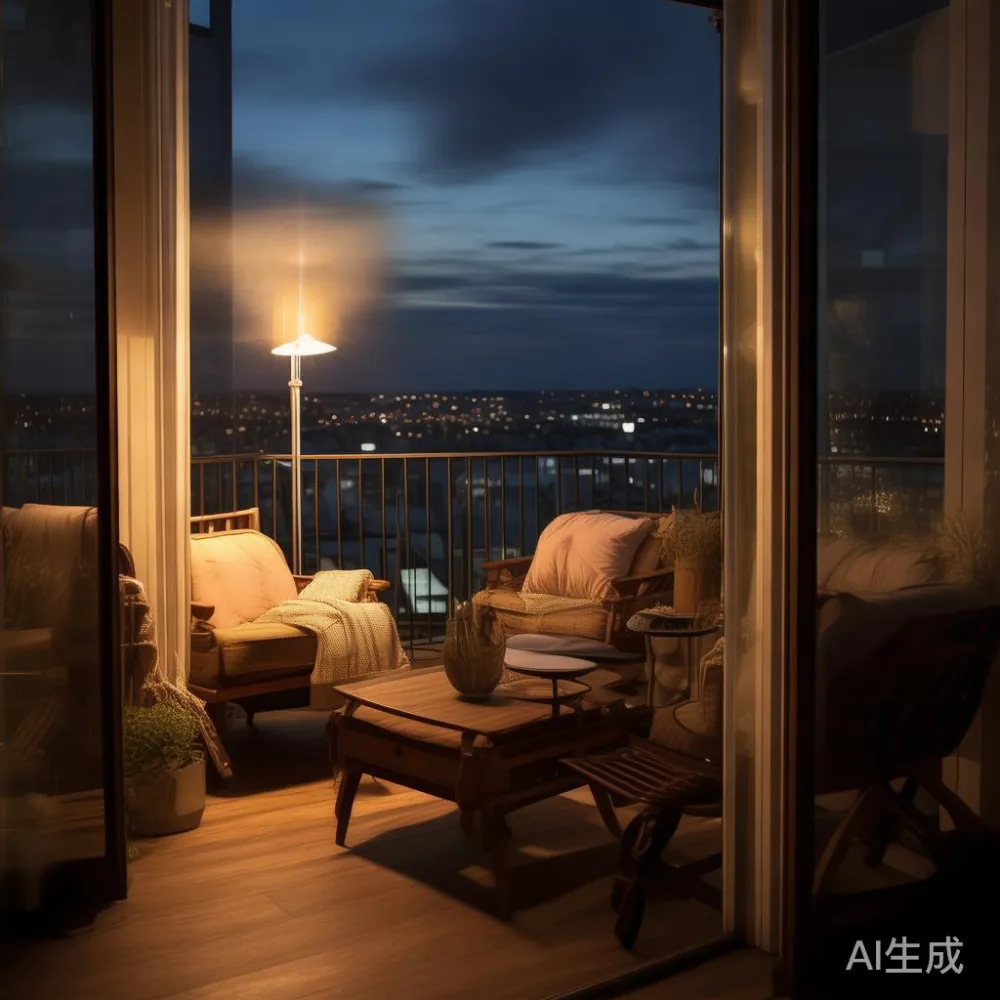
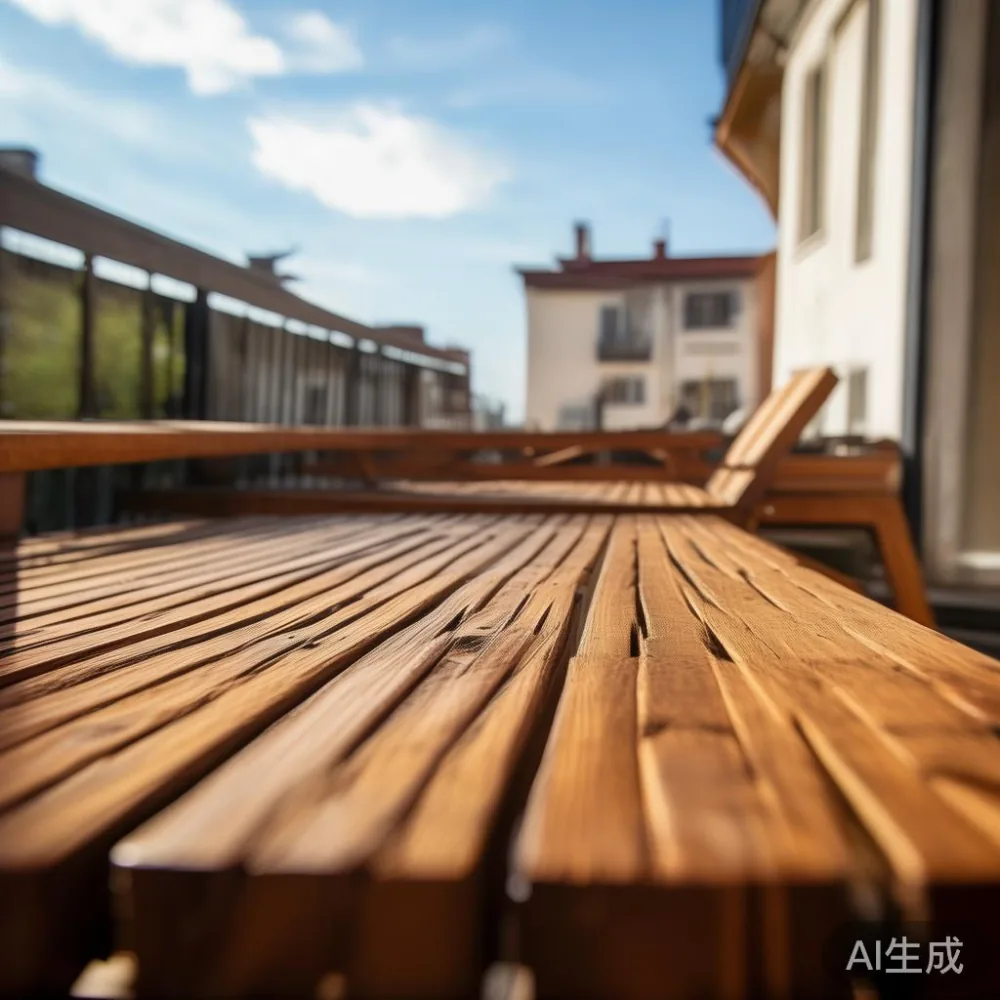
Consider teak, a popular choice for outdoor and balcony furniture in Singapore's humid climate. A single teak tree can take 40 to 80 years to mature. This long growth cycle makes it a premium material. A teak dining table set for 6 can easily cost over SGD 5,000. In contrast, rubberwood, a more sustainable and faster-growing hardwood, is a common and more affordable alternative. A rubberwood dining table might be priced around SGD 1,500. The difference in raw material cost is passed directly to the consumer.

The origin of the wood also plays a role. European Oak, with its prominent grain and solid nature, is a staple of French light luxury design. A solid wood wardrobe made from European Oak might start at SGD 4,000. Meanwhile, American Walnut, known for its rich, dark colour and straight grain, is a favourite for American light luxury styles, often fetching a similar price point. For those exploring the post-modern light luxury aesthetic, lighter woods like Ash or Maple might be preferred, offering a different visual and tactile experience at a slightly lower cost.
Why Does Craftsmanship Cost So Much? The Art of Joinery
If the wood is the body of the furniture, the craftsmanship is its soul. How pieces are joined together is a critical indicator of quality and, consequently, price. Mass-produced furniture often relies on cheap staples, nails, and particleboard with veneer. Solid wood furniture, however, uses traditional joinery techniques that have been refined over centuries. These methods create stronger, more stable, and more aesthetically pleasing connections.
Take a solid wood bed frame, for example. A high-quality frame won't be held together with screws. Instead, you'll find dovetail joints, mortise and tenon joints, and dowels. A dovetail joint, where interlocking 'tails' and 'pins' create a self-locking bond, is labour-intensive to create by hand but provides incredible strength and prevents the wood from pulling apart over time. A bed frame featuring this level of joinery will naturally cost more than one assembled with metal brackets.
Last month, I visited a workshop in Foshan that supplies to several Singapore brands. I watched a craftsman hand-cut a mortise and tenon joint for a dining table leg. The precision was remarkable. Each cut had to be perfect to ensure a snug fit that would not loosen with the expansion and contraction of the wood in our tropical climate. This level of skill cannot be rushed; it takes years of experience. This is why a handcrafted nightstand feels substantial and solid, while a cheaper, machine-made one might feel flimsy and wobbly. The price difference reflects the hours of skilled labour, not just the materials.
What About the Finish? The Invisible Hand of Protection and Beauty
Once the wood is shaped and joined, it requires a finish. This is not just about colour; it's about protection. Unfinished wood is susceptible to moisture, stains, and scratches. A high-quality finish creates a protective barrier that enhances the wood's natural beauty while shielding it from the elements of a Singapore home, where air-conditioning and humidity can take a toll.
The cost of the finish varies greatly. A basic, spray-on lacquer is inexpensive and quick to apply. A high-end furniture maker, however, might use a multi-step process involving oil, wax, or a catalyzed varnish. Some even apply a French polish, a laborious technique that builds up layers of shellac for a deep, lustrous sheen. This process can take several days for a single dining table, adding significantly to the final price. The finish also affects the colour and texture. A piece with a natural oil finish will feel warm and tactile, while a high-gloss lacquer will look sleek and modern. The choice of finish is part of the design language, influencing whether a piece feels rustic or contemporary.
Why Does Size and Shape Matter? The Impact of Design and Scale
It might seem obvious, but larger pieces cost more. A solid wood sofa requires a significantly larger volume of premium wood than a nightstand. The price difference between a two-seater and a three-seater sofa is directly proportional to the amount of material used.
However, complexity is an even bigger factor. A simple, rectangular dining table is relatively straightforward to produce from a single plank of wood. A table with intricate curved legs, a marble inlay, or a live edge design requires advanced machinery and more labour. The design phase itself has a cost. A designer must create detailed drawings, and the factory must program its CNC machines to execute the complex cuts with precision. This is why a post-modern light luxury accent chair, with its sculptural form, can be more expensive than a simple wooden stool, even if it uses less material. The design adds intellectual and labour value.
What About Logistics and Warranty? The Hidden Costs of Getting it to Your Door
For a Singapore consumer, the final price of a piece of furniture isn't just about the item itself. It includes the journey it takes to get to your home. Solid wood is heavy. A solid wood wardrobe can weigh over 80 kg. Shipping heavy, bulky items internationally from a manufacturer like MIDHILL in Foshan to Singapore involves significant logistics costs. This includes freight charges, handling, and insurance. The price of a marble table top, for example, includes the cost of safely packing and transporting a fragile, heavy slab of stone.
Then there are local costs. Singapore's GST is currently 9%, which is applied to the landed cost of the goods. Delivery within Singapore is another factor. Working through the narrow corridors and lifts of older HDB flats in Bedok, or the restricted service elevator access in many condos, requires specialised delivery services. Some companies charge extra for working through tight spaces or for delivery to upper floors without a lift. A free shipping offer over SGD 350 is a significant value proposition, effectively absorbing these logistics costs for the customer.
Finally, the warranty and after-sales service are part of the price. A 10-year structural warranty is a serious commitment. It means the manufacturer is confident in the quality of their joinery and materials. This peace of mind has a cost. Similarly, an offer of lifetime refinishing means they stand by their product for the long term. These services are not free for the company to provide, and the cost is factored into the initial price. When you buy a piece of solid wood furniture, you are not just buying an object; you are buying a long-term relationship with the brand.
What's the Value Proposition? Making an Informed Choice for Your Singapore Home
Understanding these factors allows you to see beyond the sticker price. A higher price tag on a solid wood sofa isn't just for the wood; it's for the skilled labour that built it, the durable finish that will protect it, and the warranty that backs it for a decade. When comparing prices, ask yourself what you are getting for your money.
For instance, a question like 'is Italian light luxury wardrobe worth it?' can be answered by looking at these components. An Italian light luxury wardrobe often features superior hardware, hand-finished surfaces, and design-focused details that justify its higher cost. It's an investment in both function and form. Similarly, a customer exploring 'top 10 French furniture' lists will find that the price reflects the heritage of French craftsmanship and the use of premium materials like European oak.
For smaller spaces, like a guest room, the choice can be simpler. A homeowner might opt for a 'Rustic for guest room' theme, choosing a simpler, more affordable solid wood bed frame that offers durability without the premium price of a designer piece. The key is alignment. If you need a 'European bed vs Nordic bed' for your master bedroom, understanding that the European style might feature more ornate carvings and darker woods, while the Nordic style is minimalist and light, helps you choose based on your aesthetic preference and budget.
Ultimately, the price of solid wood furniture is a reflection of its entire lifecycle—from the forest to your living room. It’s about the materials, the human skill, the design, and the service. When you invest in a quality piece, you are investing in something that will last for decades, potentially becoming a cherished part of your home's story. For those looking to furnish their balcony, choosing a durable teak set means you're selecting furniture that can withstand Singapore's weather, making it a wise long-term investment.
As a specialist, I always advise customers to look beyond the immediate cost and consider the total value. A piece of furniture that lasts 20 years is a better investment than one that needs to be replaced in 5. This long-term perspective is what makes solid wood furniture a smart choice for creating a home that is both beautiful and enduring.