Balcony Furniture: How to Read a Furniture Warranty Without Getting Caught Out
Furniture warranties are easy to admire until a joint loosens, a drawer rail bends, or a marble surface develops a crack. For buyers of balcony furniture in Singapore, where products move through HDB lifts, condo corridors, and often outdoor areas exposed to rain and humidity, the wording of a warranty matters as much as the promise printed on the product page.
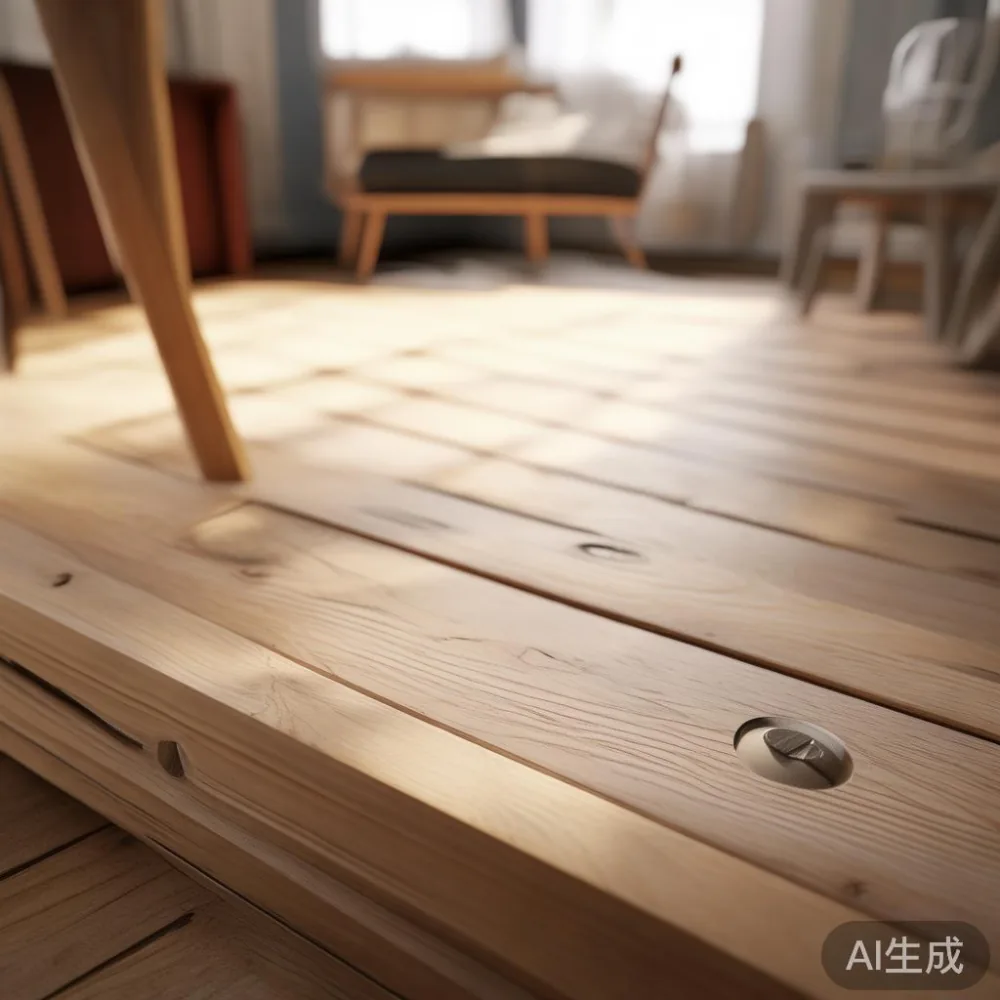
I learned this during a delivery check last month at a Tampines condo. A customer had ordered a solid wood sofa and a small dining table for a sheltered balcony. The sofa was fine, but the dining table had developed a hairline mark after the movers brushed its leg against a corridor wall. The sales team quickly arranged refinishing, which took 6 working days. The incident showed why “free repair” and “replacement” are not interchangeable terms.
This guide explains how to read the fine print, ask useful questions, and match the warranty to the way you actually live. It also considers practical constraints such as HDB lift dimensions, service access, GST, and the difference between indoor and outdoor balcony furniture.

What does a furniture warranty actually cover?
A warranty is a time-limited commitment from the maker or seller to address defects listed in the document. It is not automatically a promise that every accidental injury, surface change, or damaged component will be repaired for free.
Start with the length. A 10-year structural warranty may apply only to the frame of a solid wood sofa, bed frame, dining table, wardrobe, or nightstand. A 1-year warranty may cover other components, such as mechanisms, joints, hardware, finishes, cushions, or marble table surfaces. The number of years alone tells you little unless you know which parts are included.
Look for terms such as “structural,” “craftsmanship,” “workmanship,” and “material defects.” These usually point toward issues arising during manufacturing, such as a warped rail, a defective joint, or an original finish that peels under normal use. Terms such as “wear,” “weathering,” “misuse,” and “normal deterioration” often sit outside the promise.
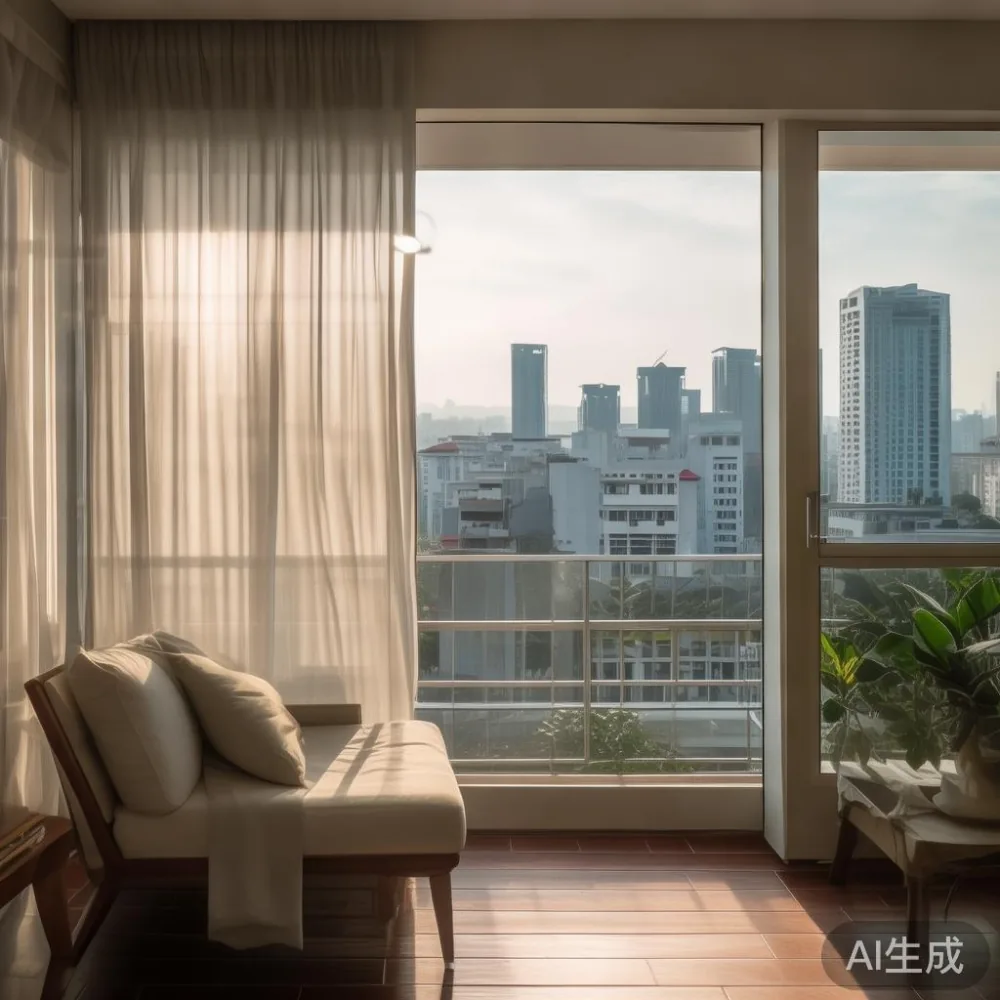
For balcony furniture, define the environment before judging the claim. An HDB balcony in Punggol may receive direct afternoon sun, wind-driven rain, and a higher humidity level than a sheltered condo balcony in Bedok. Ask whether the warranty covers outdoor placement, partial exposure, or indoor use only. A product designed for a covered balcony may not be treated the same as one approved for full outdoor exposure.
Also check who administers the warranty. The manufacturer may inspect the item, while the retailer handles the initial claim. A claim involving a marble table, for example, may require evidence of the crack, installation conditions, and whether the surface was exposed to sudden temperature changes.
Is “10 years” really 10 years for every part?
Usually not. Read the component schedule, if one exists. For example, a seller might offer 10 years for the solid wood frame, 5 years for joinery, 2 years for gas springs or drawer hardware, and 1 year for leather or fabric upholstery. The term begins at delivery, purchase, or installation; these dates are not always the same.
Ask for a written example of a covered failure and an uncovered failure. A cracked solid wood sofa frame caused by a defective joint could fall within a structural warranty. A cushion flattening after 20 months of daily use is a different matter. A wardrobe that sags because its wall fixing was omitted is generally an installation issue. A nightstand whose drawer runner fails may have a separate hardware period.
The exclusions are often more informative than the headline. Check whether the warranty applies to commercial use, rental properties, institutional spaces, or items placed on exposed balconies. If you buy for a HDB flat used as a short-stay rental, do not assume a residential warranty still applies.
Also examine the remedy. “Repair” means the maker may restore the item. “Replace” may mean a replacement of the same item, subject to availability and colour variation. “Refund” may be limited to the purchase price of the affected component rather than the whole order. “Service” could mean arranging a technician, but you may still owe transport or access charges.
MIDHILL describes a 10-year structural warranty and lifetime refinishing for qualifying solid wood furniture. That distinction is useful: the structural period is a defined coverage window, while refinishing addresses surface renewal rather than every possible failure. Ask for the eligibility conditions in writing and retain your invoice.
Will the warranty cover Singapore weather and balcony conditions?
Balcony furniture needs a warranty that recognises the environment, not just the product. Singapore’s climate can include several rain-soaked days, strong sunlight, condensation, salt-laden air near coastal developments, and temperature changes from 26°C at night to 32°C or more in the afternoon.
Ask whether the item is approved for “covered outdoor use,” “semi-outdoor use,” or “indoor use only.” Then identify the material. Teak may tolerate a sheltered outdoor setting when properly maintained, but its finish can fade or grey. Powder-coated metal can corrode if coatings are damaged. Solid wood can move slightly as humidity changes, which may create small gaps or checks. Fabric cushions can absorb moisture and develop mildew if left exposed.
A marble table needs specific care. Ask whether the warranty excludes damage caused by water sitting on the surface, thermal shock, acidic liquids, or improper cleaning. Sealing can reduce staining, but it does not make the table immune to impact.
Consider placement details too. A 180 cm dining table may fit lengthwise in a condo lift but not if the lift turns sharply at the lobby. A 200 cm solid wood sofa may be easy to carry horizontally yet difficult to turn into a narrow HDB corridor. Record the lift door, cabin, and landing dimensions before delivery, and make sure the furniture dimensions are written into the order.
Outdoor use should also be connected to a maintenance schedule. Retighten fixings every 6 months, wipe salt and moisture promptly, and keep furniture under cover when the balcony receives direct rain. These habits reduce the chance that normal weathering will be confused with a manufacturing defect.
What proof do I need when making a claim?
Create a file with the invoice, order number, product name, warranty document, delivery record, photographs, and serial number if supplied. Take photographs from several angles: the full item, the defect, the underside, the connection points, and the surrounding area. Include a measurement, such as the 18 mm crack width or 7 mm movement in the wardrobe door.
Keep communication in writing. A message should state the purchase date, delivery date, location, defect, and requested remedy. For example: “The solid wood dining table delivered on 14 May has a 12 mm split along the left apron. Please confirm whether this is covered under the structural warranty and whether inspection is required.” Clear wording avoids misunderstandings over what happened.
Do not begin a repair before approval unless the item presents a safety risk. Unauthorised work can complicate a claim. Photograph any packing damage before assembly, and note it on the delivery receipt.
Check the claim deadline and response process. Is there a 7-day reporting requirement, a 30-day inspection window, or a 90-day limit for providing documents? Some sellers ask for digital photos within 48 hours. A missed deadline should not automatically defeat a claim, but prompt reporting is more persuasive.
Ask how long repair normally takes. Allow 10-15 working days for assessment and 5-10 days for refinishing, although transit and part availability can extend this. For an international maker, replacement components may take 21-30 days to reach Singapore. A warranty without a service timeline leaves uncertainty.
Can I move balcony furniture without voiding the warranty?
Moving is usually allowed, but the product still needs reasonable care. A solid wood sofa should not be dragged by its arms. A bed frame should be disassembled according to the instructions, with protective gloves and 2 people for larger sections. A dining table may need to be turned on its side after removing the leaves or top sections.
Do not alter the design. Replacing screws, adding an extra shelf, drilling into a wardrobe, or applying an incompatible finish may affect coverage. For a nightstand, the maker may specify the maximum load, perhaps 15 kg on the top surface. Exceeding that limit can cause failure that the warranty does not cover.
Moving an item between a bedroom and balcony also requires an environmental check. If the warranty assumes indoor use, relocating it outside may change the terms. Get written confirmation for a specific balcony address and exposure level if the intended use is unusual.
One practical question is whether the supplier will deliver to the unit floor. A Singapore delivery charge may include a normal doorstep service up to 1 floor, while carry-up above the second floor can cost SGD 20-SGD 80. Stair carries may reach SGD 150 for a long HDB flight. Lift booking, congestion charges, and narrow-corridor handling should be stated before payment.
What should I ask before paying for balcony furniture?
Ask for the complete warranty, not only a summary in a chat window. Request the coverage periods by component, exclusions, claim process, service charges, and jurisdiction. A seller that offers lifetime refinishing should clarify what is refinished: wood surfaces only, or also the full piece? Can colour and sheen be matched? Are transport costs included?
Next, ask about the product’s tolerances and care requirements. For solid wood furniture, moisture movement may produce gaps of 2-4 mm in some conditions. For a marble table, ask about sealing, maximum load, and whether the warranty applies to chips, cracks, and pattern differences. For upholstery, request cleaning codes and fade-resistance expectations.
Price should be compared with the service package. A dining table listed at SGD 1,280 before GST may become SGD 1,382.40 after 9% GST. A solid wood sofa at SGD 3,600 becomes SGD 3,924. Warranty administration, lift delivery, and assembly may add another SGD 40-SGD 200. Read the final payable amount rather than relying on the display price.
Design terminology can obscure practical differences. Comparing European sofa vs Modern sofa helps with silhouette and comfort, but warranty terms still need separate attention. Likewise, Japanese bed vs Japandi bed is mainly a discussion of proportion and visual language, not an assurance about structural coverage.
Which style questions matter for a solid wood balcony setting?
A warranty does not decide whether furniture suits a balcony, but the style choice affects scale, maintenance, and how exposed the material will be. French light luxury often brings curved edges, pale upholstery, and slim profiles. American light luxury emphasises generous comfort and broad, clean-lined forms. Post-modern light luxury may use simpler geometry and restrained contrast. Choose proportions that leave circulation space and do not block drainage paths.
For a dining balcony, allow at least 90 cm behind a chair for movement and roughly 120 cm across a table for comfortable access. A rectangular table measuring 140 cm by 80 cm may suit a compact setting; check that every chair can be pulled back without meeting a railing. A foldable arrangement may be useful when the balcony also serves as a laundry or drying area.
For a sitting zone, a solid wood sofa with performance fabric may be more practical than a delicate linen-covered model. Add an outdoor rug rated for damp conditions and keep it from trapping moisture beneath the legs. If a marble table is used outside, use a stable base and avoid uncovered placement during heavy rain.
Some design phrases can be misleading. A search for cheap Italian light luxury furniture may lead to veneer, printed grain, and bonded panels rather than solid timber. Check the material declaration for each component, including the back panels, drawer bottoms, and table underside. A product can use solid wood for the visible frame and engineered wood inside, so the specification must be read line by line.
How do I compare a 10-year warranty with a shorter one?
Compare the actual repair scope, not the largest number. A 10-year structural warranty with a defined claim procedure may offer more protection than a vague lifetime statement. A 5-year warranty that includes on-site repair could be more convenient, though repair coverage should be distinguished from refinishing.
Build a simple comparison sheet with 6 columns: covered parts, excluded parts, claim deadline, repair or replacement remedy, service cost, and expected timing. Add the purchase price, dimensions, weight, delivery lead time, and return period.
Check the product’s weight as well. A dining table weighing 48 kg needs 2-3 movers and a suitable lift capacity. A wardrobe weighing 95 kg may require assembly inside the flat and perhaps a second visit for doors. A bed frame weighing 42 kg is manageable for 2 people, while a marble table weighing 68 kg requires stronger handling and careful threshold planning.
Some retailers also offer a 14-day return period. Confirm whether this is a change-of-mind return, a damaged-on-arrival procedure, or both. Restocking fees, assembly charges, delivery charges, and non-returnable items should appear in writing. For a custom-size wardrobe or balcony dining table, the lead time may be 30-45 days, and custom pieces may not qualify for return.
Finally, check the maker’s address and after-sales route. MIDHILL has exported to more than 15 countries since 2008, which suggests cross-border experience, but buyers still need a local claim contact, clear shipping terms, and a response period. International delivery to Singapore may take 7-14 working days after production, or 14-21 days for made-to-order pieces.
What is the practical warranty checklist before delivery?
Use a 10-point check. Confirm the warranty length; list covered components; note exclusions; verify outdoor-use status; record the claim process; ask who pays transport; check the response time; confirm documentation requirements; note the remedy; and save the seller’s contact details.
Add the physical checks. Compare the ordered dimensions with the product, including the 89 cm sofa height or 76 cm dining-table height. Confirm weight, finish colour, hardware, and removable sections. For a balcony in Bedok or Tampines, photograph the route, lift capacity, and tightest corridor turn before the delivery team arrives.
Inspect upon arrival. A marble table should be checked for chips and cracks along edges and corners. A solid wood dining table should be checked for movement, finish marks, and joint alignment. A bed frame should be checked at every connection point. A wardrobe needs level shelves, aligned doors, and functioning runners. Record any issue before signing the delivery sheet.
If a product is made by a group such as Wuhan Lingzhan, confirm whether the seller and manufacturer are the same legal entity and where responsibility for the warranty lies. A brand name is not enough; you need a named party that will accept the claim and coordinate service.
What if the warranty wording is still unclear?
Ask for clarification in writing and attach the proposed answer to the order notes. “Can you replace it?” is less useful than “Does the 10-year structural warranty cover a split in the solid wood dining-table apron caused by an internal joint defect, excluding impact and outdoor weathering?”
Request a written answer to 5 scenarios: manufacturing defect, accidental damage, weather-related deterioration, component failure, and a problem caused by incorrect assembly. You should be able to see exactly where responsibility changes.
Pay attention to service fairness. A reasonable policy may charge a diagnostic fee only when a claim is not covered, refund it when the item is repaired, and outline the fee beforehand. Shipping and access charges should have figures, such as SGD 25 for a normal pickup within Singapore or SGD 80 for an island delivery surcharge, rather than an open-ended “at cost” arrangement.
A strong warranty is not the longest one. It is specific, written, connected to real products, and backed by a process that can operate from Singapore. Confirm the small details, keep evidence, and make sure the furniture’s use conditions match the maker’s expectations. That is how a warranty becomes useful rather than merely decorative.