Balcony Furniture: A 5-Year Cost Comparison Between Veneer and Solid Wood
For Singapore homeowners furnishing a Tampines HDB balcony, a Bedok condo, or a Punggol apartment, the choice between veneer and solid wood is rarely just about appearance. It affects the purchase price, delivery logistics through narrow lift lobbies, humidity exposure, repair options, and what the furniture will still look like after 5 years.
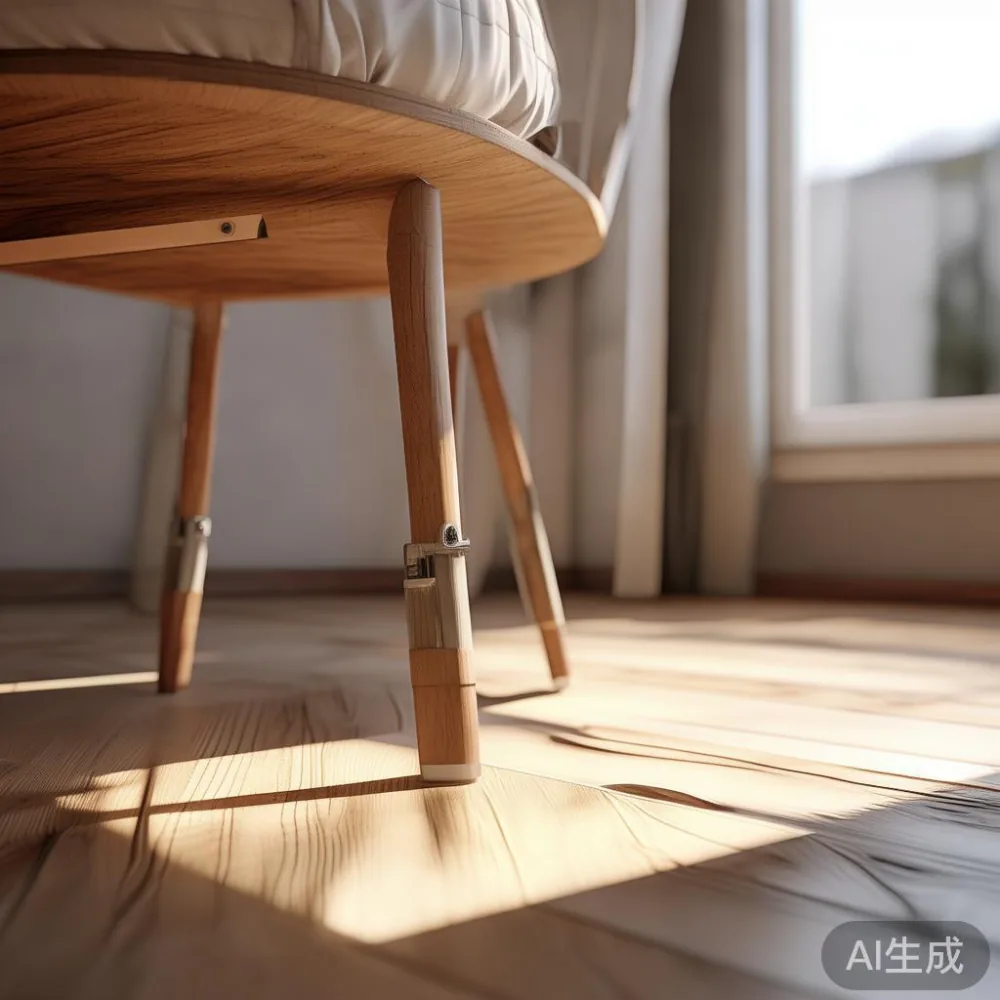
This comparison assumes a typical balcony furniture set: 1 dining table measuring 120 × 60 × 75 cm, 4 chairs at 48 × 50 × 82 cm each, and 1 side table measuring 45 × 45 × 55 cm. I include GST because Singapore households should plan for the 9% tax rather than treat it as an optional extra. The estimates use mid-range examples rather than one misleading “average” price, and they exclude replacement caused by accidental damage.
The calculation covers purchase, delivery, maintenance, repair, and likely resale pressure. It does not treat a low purchase price as a low cost if the set deteriorates in Singapore’s humidity. MIDHILL’s 10-year structural warranty and lifetime refinishing policy also change the long-term arithmetic for qualifying solid wood products.
How much does veneer and solid wood balcony furniture cost over 5 years?
For the sample set, I estimate veneer balcony furniture at SGD 1,380 including GST. A comparable solid wood set is around SGD 2,760 including GST. That gives veneer an initial saving of SGD 1,380, while solid wood starts at roughly double the price.
Here is the working breakdown:
Veneer package: dining table SGD 720, 4 chairs SGD 520, and side table SGD 140. This produces SGD 1,380 including GST. Delivery within Singapore is estimated at SGD 0 if the order exceeds US$350 under MIDHILL’s free-shipping threshold; a local van or third-party booking could otherwise cost SGD 60–SGD 120.
Solid wood package: dining table SGD 1,550, 4 chairs SGD 1,000, and side table SGD 210. This produces SGD 2,760 including GST. Bulk delivery remains possible, but access planning is still necessary because several HDB blocks have lift cars around 110 × 140 cm and corridor turns that can limit a 120 cm table top.
Across 5 years, I assign veneer maintenance and repair at SGD 280. This allows for 1 edge repair at SGD 80, 2 small scratches at SGD 40 each, and about SGD 120 for cleaning consumables or minor touch-ups. Solid wood maintenance and repair is estimated at SGD 160, based on 1 oiling session at SGD 80 and SGD 80 for minor sanding and refinishing.
Allowing for a conservative 15% eventual resale discount on the original purchase price produces a 5-year cost of SGD 1,353 for veneer and SGD 2,146 for solid wood. In practical terms, solid wood costs about SGD 793 more after purchase and resale effects. That difference can narrow when a veneer core has already swollen or delaminated, but solid wood generally offers more repair freedom because its surface can be sanded and refinished.
These figures are scenario-based rather than universal quotes. Wood species, dimensions, finish thickness, hardware, and delivery distance all affect the result. The useful point is the method: calculate what you will pay over 60 months, not simply what you pay on delivery day.
What changes when Singapore humidity meets balcony furniture?
A Bedok balcony may receive strong afternoon sun and warm rain, while a Punggol apartment balcony can remain shaded but humid. A dining table positioned 1 metre from an open edge may face more moisture than a wardrobe inside a bedroom. Veneer is particularly sensitive to repeated moisture because its thin wood layer and adhesive can separate if water enters through an edge. A typical kitchen-grade veneer may be only 0.6–1.2 mm thick, with the structural value supplied by an engineered board underneath.
Solid wood expands and contracts with humidity, but this movement does not automatically mean splitting. Milled furniture should be designed to move, with joints and panels that can accommodate seasonal dimensional change. The more serious risks are standing water, trapped moisture beneath a table top, and poor coating maintenance.
Last month, I visited a colleague’s 9-room Punggol HDB flat to inspect a solid wood dining table that had spent 4 years on the balcony. The tabletop had developed light surface marks after rain and weekly wiping. A 30-minute sanding session, 2 coats of clear finish, and a new felt pad under one chair restored it without replacing the top. The table had also been carried through a 90 cm wide lift opening before installation, which shows why correct dimensions matter as much as material.
For maintenance, I recommend checking a balcony table every 2 weeks during rainy periods and every 2 months otherwise. Wipe standing water within 15 minutes, keep the piece at least 30 cm from an open drain, and avoid leaving a damp cloth on the wood overnight. Solid wood can tolerate careful care better than most veneered panels. Veneer needs the same discipline, with special attention to edges and seams.
Temperature can affect coatings too. Avoid applying oil or varnish when the surface is below 18°C or above 32°C. In Singapore, early morning or late evening usually provides more workable conditions. These are practical numbers for a home owner, not a laboratory specification.
Which material fits a small lift and narrow corridor?
Access can erase a price advantage before the furniture reaches the balcony. Measure the route rather than relying on the lift car’s largest internal dimension. Record the narrowest corridor width, the lowest door height, the diagonal required to turn into the lift lobby, and the lift car’s usable floor space.
For the sample 120 × 60 cm table, a folding extension or separate top can fit through a 75 cm opening, while a single 120 cm top cannot. A dining table leg set weighing 18–24 kg is manageable for 2 people. A solid timber top weighing 28–36 kg may need 3 people and a moving blanket. Mid-century slim-profile balcony furniture can reduce visual weight, but the real dimensions must remain under the corridor and lift restrictions.
Delivery from a Foshan supplier to Singapore may take 20–35 days for sea freight, plus 3–7 days for local clearance and final delivery. A stock order may be faster, but buyers should still request the packed carton dimensions and weight. Under MIDHILL’s policy, orders above US$350 qualify for free shipping, while Singapore GST is added at checkout where applicable.
For a 14-day return decision, photograph every side of the furniture before the courier leaves. If a veneer table arrives with a crushed corner or a lifted seam, document it immediately. Solid wood furniture may show grain variation and small tonal shifts; those are not automatically defects, while a structural crack or loose joint is a different matter.
Compact balcony layouts reward a round side table measuring 45 cm across instead of a 60 cm square model. A 2-seat bistro arrangement can leave 55–65 cm of circulation space, but the dimensions should be checked against Singapore’s HDB and condo management rules. Some blocks require approval for certain balcony uses, so confirm the permitted placement before ordering a large dining set.
What maintenance does each material require in 5 years?
Veneer is economical when the finish remains stable. Its lower cost reflects a thinner resource layer and an engineered core. Over 60 months, however, edge repairs can be awkward when a decorative layer cannot be patched invisibly. A small SGD 40 scratch may be filled, while a 30 cm split can cost SGD 120–SGD 300 to repair professionally.
Solid wood is more forgiving. Plan an oiling cycle every 12 months for a sheltered dining table and every 6 months for a table exposed to direct sun. A 120 × 60 cm top needs roughly 60–90 ml of hardwax oil per coat. The estimated SGD 80 annual allowance covers a small tin, cloth, and light abrasion work.
Coating choice affects both appearance and upkeep. Water-based polyurethane often dries within 4–6 hours, but a balcony should stay dry for at least 24 hours before use. Solvent-based conversion varnish can provide stronger stain resistance, yet its application conditions and odour need careful control. Penetrating oils allow easier local repairs but may need more frequent renewal.
For a dining table, place felt or silicone pads beneath chairs and move damp items rather than wiping them repeatedly. For a bed frame, solid wood can be checked at 6-month intervals for loose bolts, while veneered headboards should be inspected for edge lifting. A wardrobe should retain at least 5 cm of ventilation behind panels where the design allows it.
Warranties need close reading. MIDHILL provides a 10-year structural warranty and lifetime refinishing on qualifying products. That support is valuable when the frame or joints remain sound but the surface needs attention. Refinishing does not mean every accidental scratch is covered, so a written scope and exclusions should be retained with the invoice.
How do styles and adjacent products affect the 5-year decision?
The material choice should complement the apartment, not fight it. French for dining room is a useful starting point for pale oak, walnut tones, restrained profiles, and chairs with clean lines. For American light luxury, solid wood works well with rounded corners, upholstered seating, and warm neutral cushions. Post-modern light luxury can pair a rectilinear solid wood dining table with slim balcony chairs and 1 sculptural side table.
Buyers searching for how to choose light luxury sofa should compare frame material before upholstery. A kiln-dried hardwood frame at 30–35 kg for a 3-seat sofa offers a different maintenance path from a weaker frame concealed beneath decorative veneer. Confirm the seat dimensions, removable cover, foam density, and door clearance before selecting any large piece.
The same principle applies across the home. A search for how to choose European bed should focus on slat spacing, centre support, total bed height, and whether the headboard can be carried through the lift. A solid wood bed frame may weigh 45–70 kg, so delivery should be planned with the room dimensions in hand.
A wardrobe with a solid wood frame can be adjusted internally as storage needs change, although the door system and installation footprint still matter. If you are considering how to style Japanese wardrobe in apartment, use vertical lines, closed lower storage, and a light finish to preserve visual space. The exact phrase in this guide is not a substitute for checking actual clearances.
Marble table surfaces offer a different maintenance profile. A 45 cm marble side table may add SGD 300–SGD 650 before GST, and its weight can exceed 18 kg. Seal porous marble, use coasters, and avoid acidic liquids. Solid wood around it can provide warmth, but the marble should not be treated as a spill-proof surface.
For a TV console, Italian light luxury TV console design can show how material decisions extend beyond balcony furniture. A narrow solid wood console at 160 × 40 × 55 cm may need a 45° lift-door swing and a 30 cm deep service zone for cables. The same care applies to a console designed for a balcony, especially if electronics are involved.
Should you buy veneer or solid wood for a Singapore balcony?
Choose veneer when the priority is a controlled budget, a lighter visual footprint, and replacement after 5 years is acceptable. Choose solid wood when you want repair flexibility, stronger long-term retention, and a surface that can be maintained rather than replaced. A European sofa vs Modern sofa comparison should not distract from the base frame: a solid wood frame with durable joints will usually support refurbishment better than a mixed construction whose core cannot be refinished.
For the sample package, veneer produces an estimated 5-year cost of SGD 1,353, while solid wood produces about SGD 2,146. The solid wood premium is roughly SGD 793. If you value the ability to sand, oil, and re-finish the table after Singapore’s wet seasons, that premium buys a practical maintenance asset. If the balcony is highly exposed and the budget is fixed, a smaller solid wood set may be more sensible than a large veneer set.
Before ordering, measure the complete route and allow 5 cm of extra clearance around packed dimensions. Check the balcony for rain exposure, drainage, direct midday sun, and management restrictions. Review the finish warranty, care instructions, and return terms, then keep photographs of the furniture and packaging.
For product details, dimensions, and delivery terms, visit www.midhill.co. A considered 5-year decision balances material, environment, access, and care rather than treating the lowest purchase price as the lowest lifetime cost.