Preserving the Beauty: A Comprehensive Guide to Caring for Lacquered Balcony Furniture in Singapore's Tropical Climate
Living in Singapore, with its year-round high humidity and intense equatorial sun, presents a unique set of challenges for maintaining furniture. For those who appreciate the sleek, reflective finish of a lacquered surface, the balcony—a space often exposed to the elements—can feel like a high-stakes environment. A beautiful solid wood balcony table or a stylish lacquered storage unit can quickly lose its lustre without proper care. This guide provides a detailed, practical approach to protecting your investment, ensuring your balcony furniture retains its elegance for years to come. We will explore the science behind the damage, a practical cleaning routine, and preventative measures, all tailored to the specific conditions of HDB flats and condos in areas like Tampines, Bedok, and Punggol.
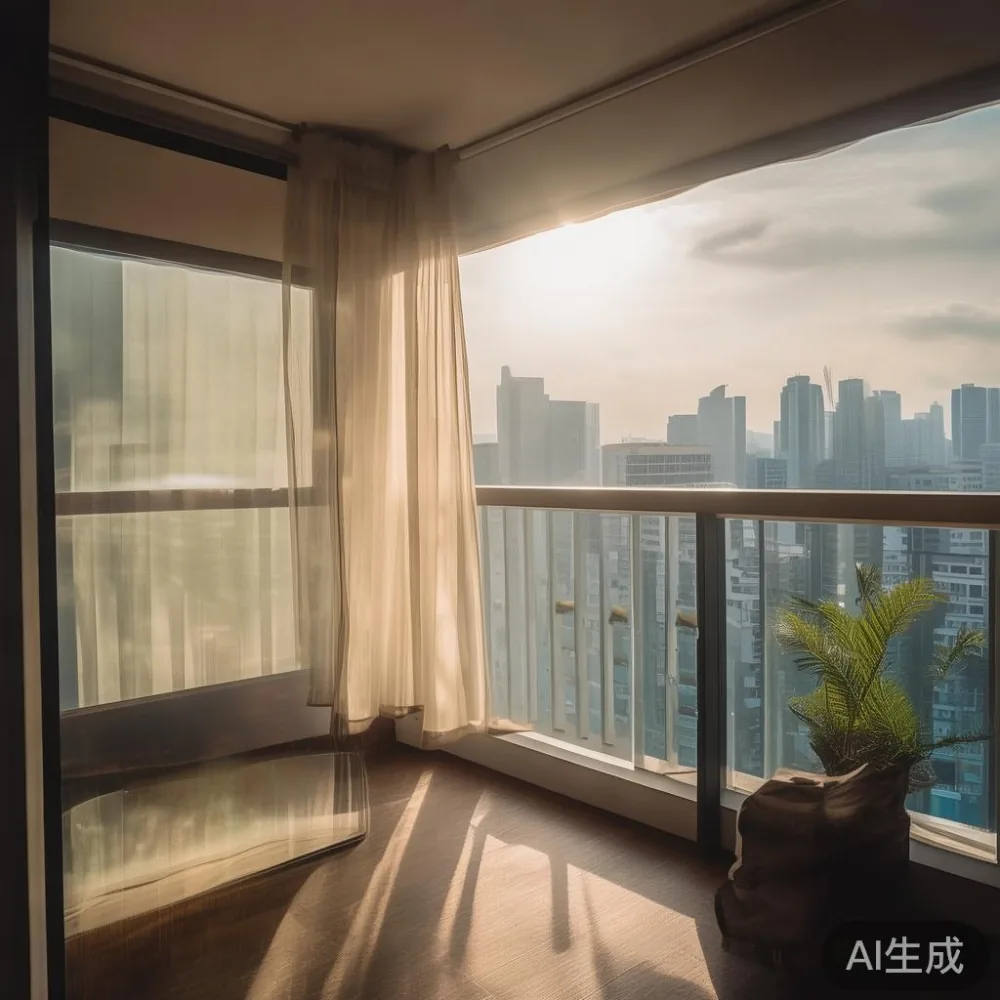
Why Does Singapore's Climate Affect Lacquered Furniture So Much?
The primary threats to a lacquered finish in Singapore's climate are humidity and ultraviolet (UV) radiation. A lacquer is a hard, clear coating applied over wood to create a protective and decorative layer. It's designed to be a barrier, but the tropical environment relentlessly tests this barrier. Humidity levels in Singapore average between 70% and 90%. This constant moisture in the air can be absorbed by the wood substrate beneath the lacquer. As the wood expands and contracts with the daily humidity fluctuations, it places stress on the rigid lacquer layer. Over time, this can lead to small cracks in the finish, known as 'checking', which allows moisture to penetrate further, potentially causing the wood itself to warp or rot.
Simultaneously, the sun's UV rays are intense. UV radiation breaks down the polymers in the lacquer, causing the finish to become brittle and discolour. This process, known as photo-degradation, is what makes a once-shiny surface appear dull, yellowed, or chalky over time. The combined effect of constant humidity and direct sun is a recipe for premature ageing of your balcony furniture. A piece that might last for decades in a temperate climate can show significant wear in just a few years in Singapore without diligent care. This is why understanding these environmental factors is the first step towards effective preservation.
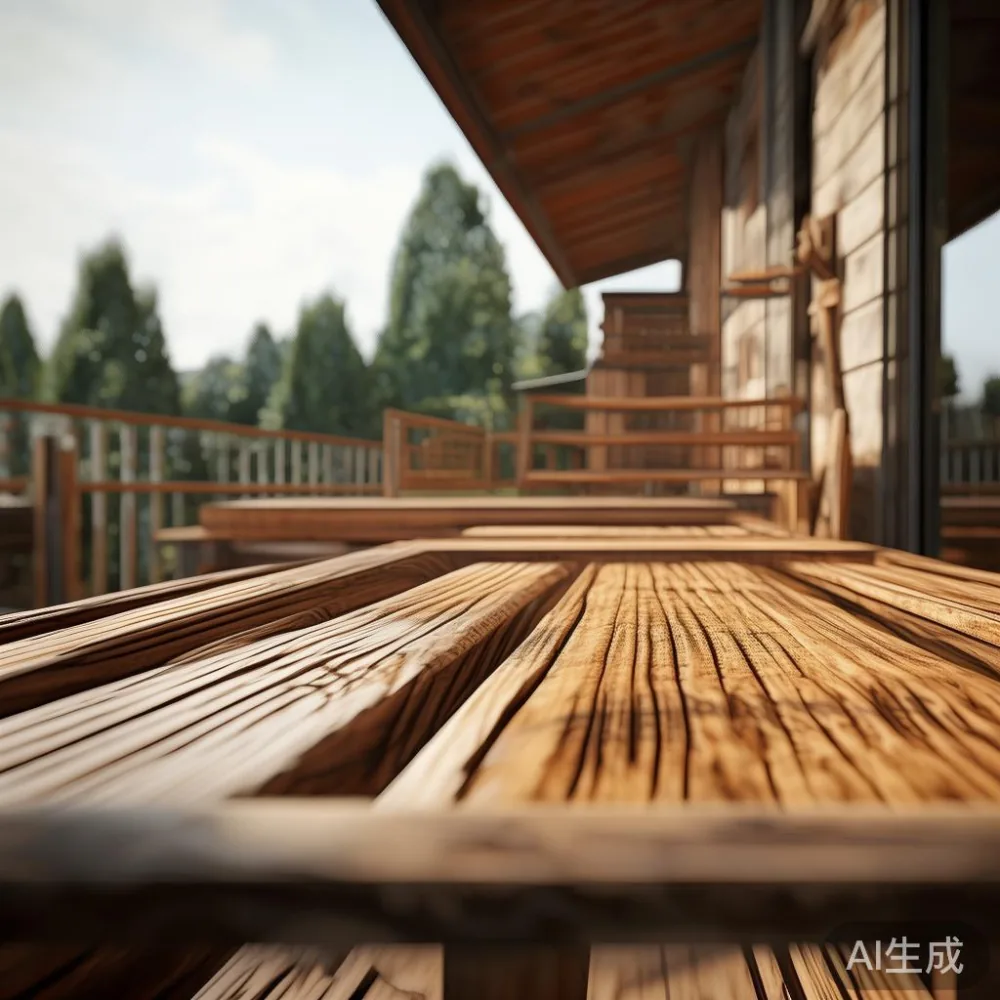
What Cleaning Products and Tools Should I Use for My Lacquered Balcony Furniture?
Cleaning lacquered surfaces correctly is non-negotiable. The wrong products can strip the finish, leaving it cloudy or damaged. The golden rule is to use the gentlest method possible. For regular dusting, a soft, lint-free microfiber cloth is ideal. A slightly damp cloth can be used for light dusting, but it must be wrung out thoroughly so it is only slightly damp, not wet. For deeper cleaning, a mild, pH-neutral soap solution is recommended. A few drops of a gentle dish soap in a bucket of clean water is sufficient. Avoid all-purpose cleaners, vinegar solutions, or harsh chemical abrasives, as these will etch the surface.
The tools you use are just as important as the products. A soft-bristled brush, like a clean paintbrush or a dedicated furniture brush, can be used to gently dust intricate details or carvings where a cloth might not reach. Always wipe in the direction of the wood grain to avoid creating fine scratches. After washing with the soap solution, immediately rinse the cloth in clean water and wipe the surface again to remove any soap residue. Finally, dry the furniture immediately with a clean, dry microfiber cloth. Never let water pool or sit on the surface. My colleague recently tested a popular wood polish on a lacquered side table and found it left a sticky, filmy residue that attracted more dust. The simple soap-and-water method, followed by a thorough dry, proved far more effective.
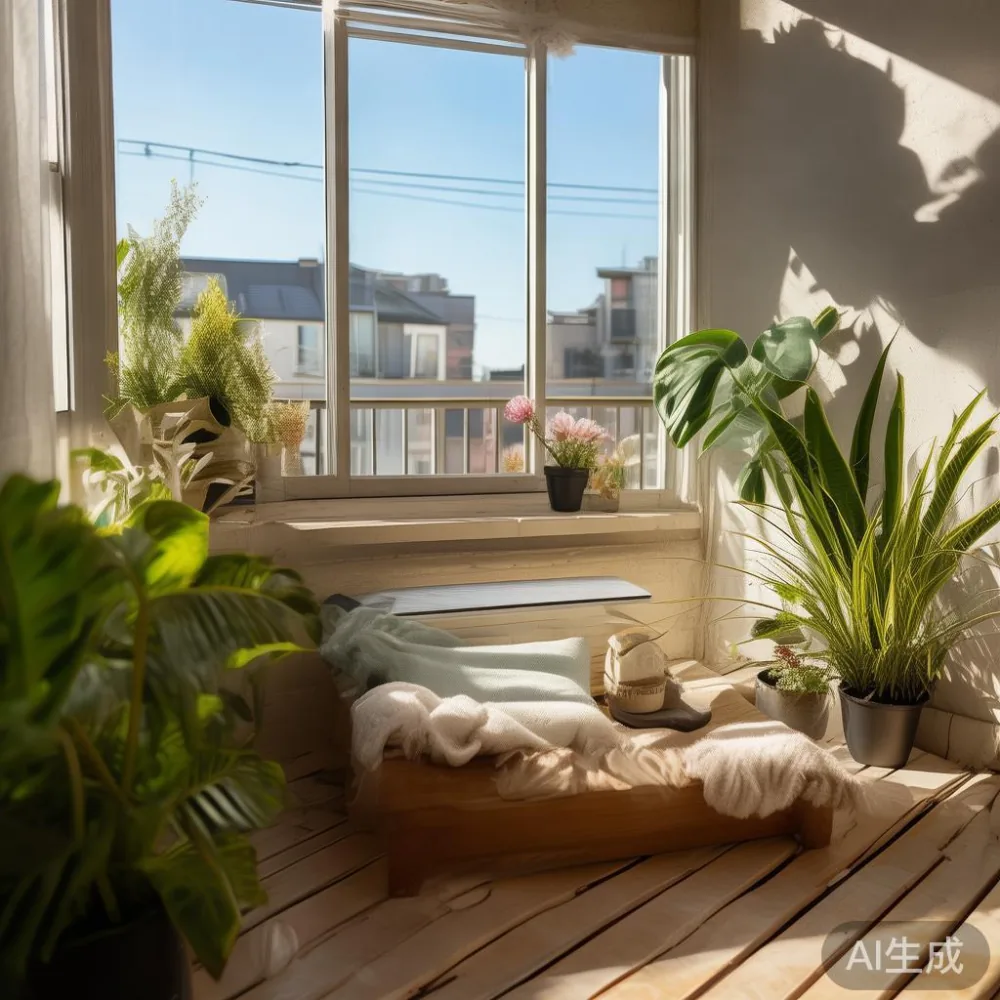
How Do I Prevent Sun and Rain Damage to My Outdoor Lacquer?
Prevention is infinitely more effective than repair for protecting lacquered furniture from Singapore's sun and rain. The most straightforward preventative measure is strategic placement. Avoid placing your balcony furniture in direct, all-day sun. If possible, position it under a balcony roof, an awning, or the shade of a larger plant. Even a few hours of shade can dramatically reduce UV exposure. For furniture that must be in a sunny spot, consider using a large umbrella or a retractable awning to create shade during the peak sun hours of 10 am to 4 pm.
Protection from rain is equally critical. While a light, occasional shower might not immediately harm a well-lacquered surface, prolonged exposure is detrimental. Invest in high-quality, water-resistant furniture covers that are designed to fit your specific pieces. These covers should be breathable to allow trapped moisture to escape, preventing mould and mildew from growing underneath. When a heavy downpour is forecast, putting the cover on is a simple habit that can save your furniture. For those living in older HDB blocks with narrower lift corridors, choosing furniture with a modular or flatter design can make storage indoors during the wettest months a practical option. A marble table, for instance, can be much heavier than a solid wood sofa, so consider the weight and dimensions when planning for storage or covering.
Is European sofa worth it for balcony durability?
This is a common question for homeowners investing in quality pieces. The answer lies in understanding the difference between 'light luxury' and 'heavy luxury' furniture design. Many European sofa brands, particularly those from France, embody a 'French light luxury' aesthetic. This style prioritises clean lines, elegant proportions, and high-quality materials over ornate carvings and excessive weight. A well-made European sofa from a reputable brand often features a more advanced lacquering process. The coatings may be multi-layered and specifically formulated for higher UV resistance and flexibility, which helps them withstand the slight expansion and contraction of the wood better than standard lacquers.
However, the price tag reflects this craftsmanship. A 'MIDHILL light luxury sofa' designed for indoor use might cost SGD 2,500, while a comparable European piece could easily exceed SGD 5,000. For a balcony, the primary consideration isn't just the origin of the sofa, but its specific construction. Look for furniture marketed as 'outdoor' or 'all-weather' with marine-grade or UV-protective lacquers. A solid wood sofa designed for balcony use will often be more durable in our climate than an indoor European sofa, even if the European piece has a more prestigious name. The key is to match the furniture's construction to its environment, not just its design pedigree.
What Should I Do If I Notice a Scratch or Stain on My Lacquered Surface?
Accidents happen, and a small scratch or a stubborn stain can appear on even the most well-cared-for balcony furniture. The approach depends on the severity of the damage. For a minor surface scratch that has not penetrated through the lacquer to the wood, you may be able to buff it out. Using a high-quality, soft polishing cloth, gently rub a small amount of a non-abrasive car polish or a specialized furniture polish into the scratch in a circular motion. Often, the heat from friction and the mild polishing agent can fill and smooth out the microscopic imperfection, making it far less noticeable.
For a deeper scratch or a stain that has penetrated the lacquer, the situation is more complex. DIY touch-up kits are available, but achieving a smooth repair is difficult and requires a steady hand. The process involves carefully sanding the area with a very fine-grit sandpaper (e.g., 0000 steel wool or 600+ grit sandpaper), applying a matching lacquer, and then polishing it to a shine. For most homeowners, the best course of action for significant damage is to consult a professional furniture refinisher. A specialist can assess the damage and perform a proper repair that restores the finish to its original condition. This is where a brand's lifetime refinishing warranty becomes a valuable asset, offering peace of mind that your piece can be restored to its former glory.
How to style American bed in room with a tropical balcony theme?
While our focus is on balcony furniture, the style of your indoor space can complement your outdoor area. An 'American bed' with a clean, post-modern light luxury design can create a smooth transition from your indoor living room to your balcony. The key to styling is a cohesive material and colour palette. If your balcony furniture features a dark lacquered finish and teak accents, you can echo this indoors. Choose an American-style bed frame made from a similar dark, solid wood. The linens can then pick up on the natural tones—think sandy beiges, cool greys, and ocean blues.
The balcony itself should be an extension of this aesthetic. A minimalist solid wood sofa in a light, natural finish can create a comfortable lounge area. A small marble table can serve as a side table for drinks, its cool surface a perfect contrast to the warm wood. For a smaller living room, the principle of 'Modern light luxury for small living room' applies: choose pieces with slender legs and open designs to maintain a sense of space. A narrow console table against the balcony wall can hold plants and candles, adding to the ambience without cluttering the floor. This unified approach ensures that your indoor and outdoor spaces feel like a single, harmonious retreat.
Where can I find durable, stylish balcony furniture in Singapore?
When searching for new pieces for your balcony, it's important to look beyond just aesthetics. Durability in our climate is paramount. Many local and international brands offer suitable options. For those browsing online, it's wise to check websites like midhill.co, which often detail the specific materials and finishes used in their products. A good product description will explicitly state if a lacquer is UV-protective or if a wood is suitable for outdoor use.
In Singapore, you can find a range of options from high-end boutiques to larger furniture stores. For example, you might find 'for sale Japandi furniture' that blends Scandinavian minimalism with Japanese craftsmanship, often using durable oiled or lacquered woods. You could also search for 'under 2000 Coastal furniture', which typically features light colours, natural textures, and materials designed to withstand a salty, humid environment. The price for a good quality solid wood dining table for balcony use can range from SGD 800 to over SGD 2,500, depending on the size, wood type, and brand. Remember to factor in delivery costs; many reputable stores offer free shipping for orders over SGD 350, which can be a significant saving. Always check the delivery lead times, which can range from 3 to 14 days, and the return policy, ensuring you have a 14-day window to inspect your new furniture upon arrival.