How to Read a Furniture Warranty Without Getting Caught Out: A Singapore Buyer Guide
I spent the second Saturday of last month at a Tampines HDB flat in Block 137, helping my colleague Mira measure her new corridor before ordering a 2.4-metre solid wood wardrobe. The lift door was 80 cm wide and the lift car was only 1.95 m deep, so the wardrobe had to come apart for delivery. That visit reminded me how much of furniture buying in Singapore happens at the paper stage, not the showfloor stage. The piece you pick, the quote you receive, and the warranty card you skim are all part of one decision. Most of us only read the warranty when something goes wrong. By then, the fine print has already decided who pays for the repair.
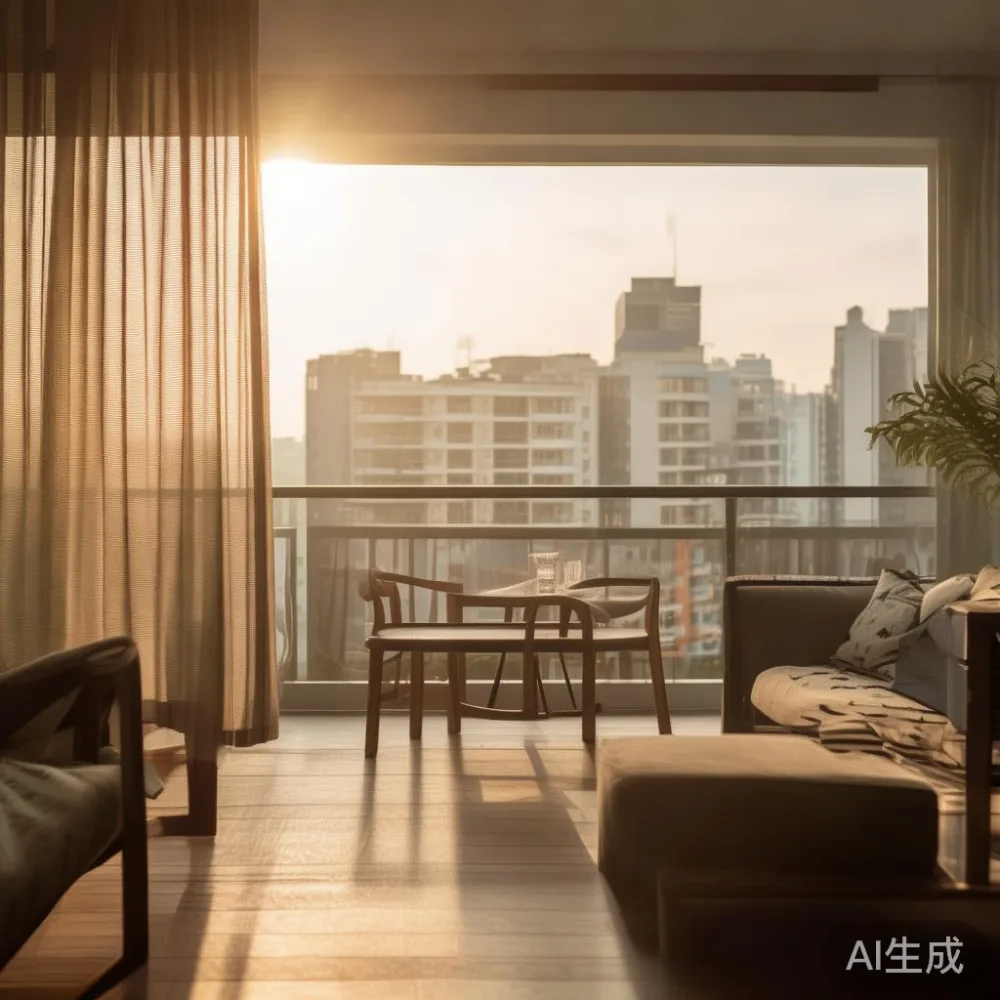
Warranties look identical at a glance, but they behave very differently once you understand what each line means. A 10-year structural warranty, like the one MIDHILL offers on its Foshan-built pieces, is not the same thing as a 10-year full warranty. Some coverage stops the moment the wood moves in Singapore's 80-90% humidity; some coverage quietly excludes the finish, the hardware, or the hydraulics on a lift-up bed frame. The trick is to learn the vocabulary, then read every clause against your own home. If you cannot picture the clause working in your Tampines, Bedok, or Punggol flat, ask before paying the 9% GST on a deposit.
Before going clause by clause, it helps to anchor yourself on three numbers: weight, dimensions, and finish. A solid oak dining table in a 1,200 sq ft condo behaves differently from a solid oak dining table in a 1,500 sq ft HDB, because airflow, sun exposure, and floor flatness all change. Knowing your own numbers lets a warranty clause become a yes/no answer, not a paragraph of fog. With that in mind, here is how to actually read what is in front of you.
What does "structural warranty" actually cover?
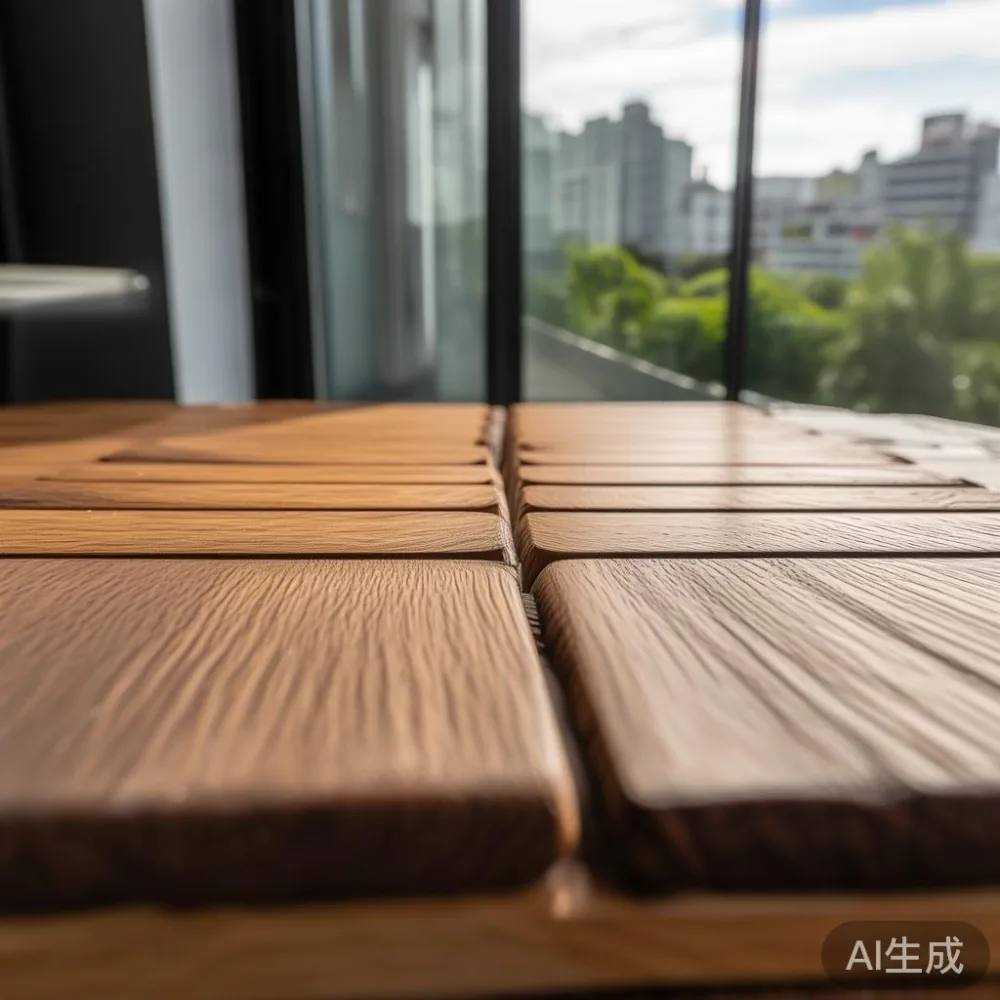
Structural coverage refers to the skeleton of the piece: the frame joints, the load-bearing rails, the legs, the dowels, the corner blocks. It does not refer to the finish, the veneer, the cushions, the drawer slides, or the gas lifts. That distinction matters because most customer complaints I see in Singapore are about finish, not structure. A cracking lacquer on a balcony side table, a clouded marble top on a marble table, a stuck drawer slide on a nightstand, none of these are structural.
When I visited the MIDHILL showroom in Foshan earlier this year, the floor lead walked me through a side-by-side test on two identical bed frames. He loaded the slats to 180 kg, then he sprayed the headboard with water for 20 minutes. The frame passed with no creak; the lacquer dulled slightly within an hour. That is a clean illustration of what a structural warranty covers and what it does not. If your balcony furniture spends afternoons in direct sun and monsoon humidity, expect the warranty to protect the frame, not the surface film.
Why does the "defects in materials and workmanship" line matter?
This is the second phrase that usually appears right after the structural clause. "Defects in materials and workmanship" sounds generous, but it leans heavily on two legal words: defect and under normal use. A wobble that appears in week three is usually a defect. A wobble that appears in year six, after the piece has been dragged across a HDB corridor, is harder to claim. Coverage frames normal use as indoor residential use, on a flat floor, away from direct sunlight and air-conditioning vents pointed straight at the wood.
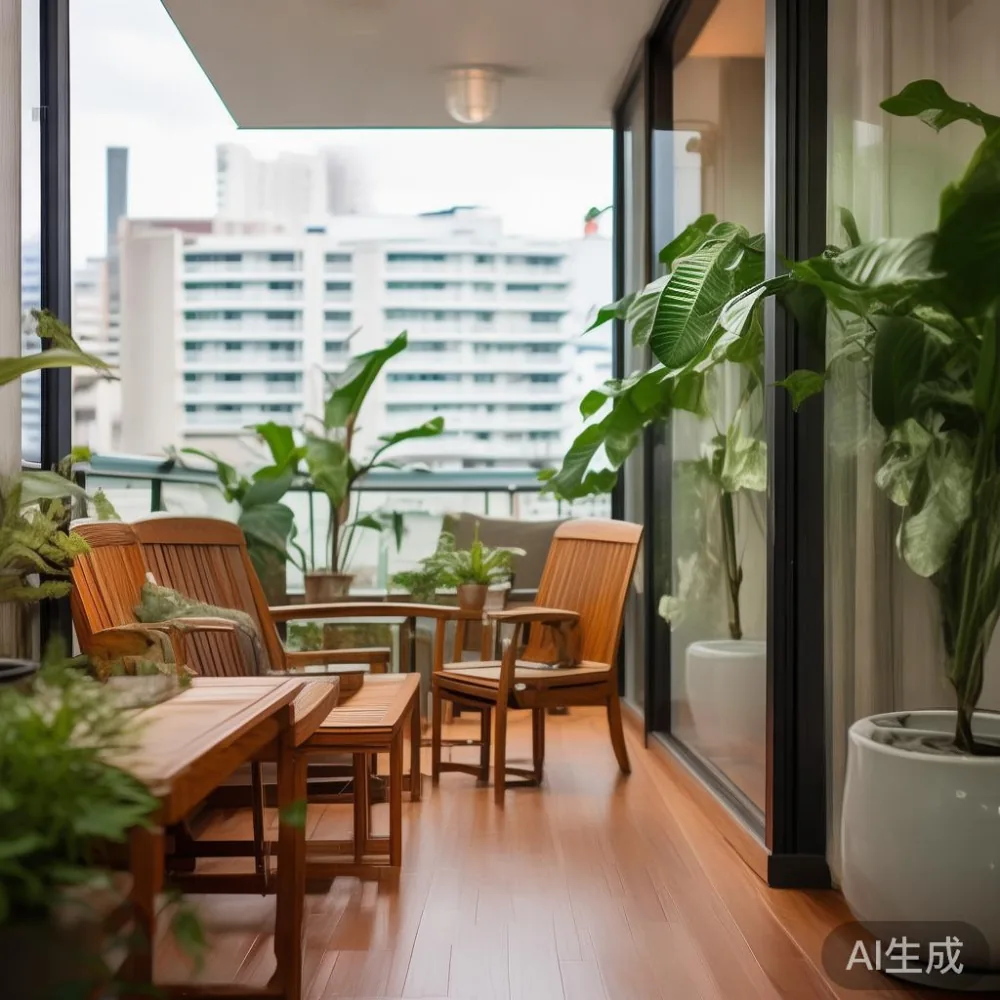
Read this clause carefully for balcony furniture specifically. Singapore balconies in HDB blocks like those in Punggol are technically outdoor spaces, even when roofed. A solid wood sofa left on a balcony through six months of rain is operating outside normal use. That is not a sales tactic; it is a humidity test. Solid wood moves at roughly 1-2% across the grain when humidity swings from 60% to 90%, which is exactly what a covered corridor balcony experiences in November and January. If the warranty card excludes outdoor placement, believe it.
How long is "lifetime"?
Many Singapore furniture sellers advertise a lifetime warranty. The term is not regulated, so each seller defines it. Some mean the lifetime of the original buyer, seven years on average in this category. Some mean the lifetime of the product line, which ends when the model is discontinued. Some mean lifetime refinishing, which is a service benefit, not a defect benefit. MIDHILL, for example, includes lifetime refinishing on its solid wood pieces, meaning the factory in Foshan will sand and re-lacquer the surface for a service fee that covers shipping only. That is genuinely useful in Singapore, where sun and humidity age finishes faster than climate-controlled interiors.
Ask three questions before trusting a lifetime clause. One: who pays return shipping to the factory, and what is the typical cost from Singapore (roughly SGD 280-450 per cubic metre, depending on whether the piece ships by sea or air). Two: how long is the queue during peak season, which in our trade runs from March to June. Three: does the warranty transfer if you resell the piece to another owner in your Bedok block, or does it die with the original receipt. These answers shift lifetime from a marketing phrase into a usable policy.
"Will the warranty cover delivery damage, scratches, and lift access problems in HDB flats?"
This is the question I hear most often from buyers in Tampines and Punggol, and the honest answer is: only if the warranty treats delivery as a covered risk. Most structural warranties begin after the piece is signed for. Anything that happens before signature is a delivery claim, not a warranty claim. The two pathways behave differently. A delivery claim is usually faster: replacement parts ship in 7-14 days, and the seller covers the cost because their own logistics caused the damage. A warranty claim sits in a longer queue, requires photos, sometimes a technician visit, and runs 30-45 days.
Before signing, measure three things at your block. The corridor turning radius (typically 90-110 cm in newer HDBs, narrower in older flats in Bedok). The lift door width (usually 80-90 cm). The lift car depth (1.95-2.4 m in most Singapore blocks). If your solid wood wardrobe is 2.4 m tall, it may not stand upright inside a 1.95 m lift. The delivery team will tilt it, and a tilt plus a tight corridor is how finish damage happens. A clear warranty will state in writing who pays for repackaging, re-shipping, and replacement panels when delivery damage is photographed at the door. If that paragraph is missing, treat it as a gap and ask the seller to confirm it in the invoice notes, not just over WhatsApp.
What is usually excluded, and why does it matter for balcony furniture?
Exclusions are written because the seller cannot control the environment. For balcony furniture in Singapore, the four exclusions to watch are: direct sunlight exposure (UV breaks down lacquer in 6-12 months), proximity to air-conditioning units (causes localised drying and cracking), coastal air within 1 km of the shoreline (salt accelerates metal corrosion on hinges and runners), and modifications (sanding, repainting, drilling for cable management). None of these are exotic cases. A Punggol waterfront flat, a Bedok corner unit facing west, a Tampines balcony that catches afternoon sun, all of these are common Singapore scenarios that fall inside standard exclusions.
Read the exclusions list against your own floor plan. If your dining table sits within 1.5 metres of a west-facing window, expect the lacquer to amber faster than the warranty covers. If your marble table sits beside an open balcony door during a thunderstorm, expect water rings the warranty will treat as improper care. The reading habit that saves money here is to ask, in writing, whether a specific scenario in your home is covered. Reputable Foshan furniture makers will give a written answer within two working days because their export teams handle B2B claims this way every week.
How do light-luxury pieces change the warranty picture?
Light-luxury styling does not change the structural warranty, but it changes what counts as a defect. French light luxury and American light luxury both lean on restrained silhouettes, soft close runners, fluted panels, slim tapered legs. Post-modern light luxury tends to push sculptural shapes, asymmetric marble tops, mixed-material inlays. Each of these adds a surface that the warranty must address: marble veining variation, brass patina developing over 12-18 months, fabric pilling on boucle cushions within the first six months. A good warranty will treat natural variation as a feature, not a defect, and will say so in plain English.
If you are wondering how to style European light luxury bed in bedroom without triggering warranty arguments, the rule is straightforward: keep the headboard 30 cm away from the wall for airflow, avoid direct UV on velvet or bouclé panels, and request indoor-only placement so the climate clauses remain honest. For something heavier like how to choose French wardrobe, look for衣 cabinet that lists frame material, runner brand (Blum and Hettich are common in Foshan factories), and finish type separately in the spec sheet. A spec sheet that combines all three under one SKU usually means the warranty is doing the same, which is risky for the buyer. When buyers ask me how to choose French provincial wardrobe, I push them toward sellers that separate structure, finish, and hardware into three warranty sections, even if the price rises 6-8%.
What about Japandi wardrobes and modern dining tables?
Japandi styling mixes Japanese minimal lines with Scandinavian materials, which usually means lighter oak, paper-veneered panels, and very thin profiles. When buyers ask whether a Japandi wardrobe is worth it for Singapore, the practical answer sits in the warranty: lighter finishes show humidity movement faster, so the warranty must cover veneer delamination, not just frame cracks. A Japandi wardrobe worth the SGD 1,800-3,500 price band in our market should have a written clause on veneer for at least three years, plus a refinishing option after that.
For dining tables in the modern light luxury dining table category, the warranty focus shifts to the top surface. Solid wood tops expand roughly 1% across the grain per 10% humidity change. A piece that lives in an air-conditioned condo at 55% humidity and then sits on a balcony for a Chinese New Year dinner at 85% humidity will move. Warranty cards often cover cracking above 2 mm and exclude everything below. Knowing that number in advance prevents an unpleasant claim denial.
What about dressing tables, nightstands, and smaller pieces?
Smaller pieces carry the same warranty language, just scaled down. A French provincial dressing table typically uses carved legs, dovetail drawers, and a distressed finish. The warranty should address the distress as intentional (so it cannot be claimed as damage) and the drawers under a separate clause (usually 2-3 years on runners). A nightstand with a soft-close drawer and a marble top inherits two warranty sections: the drawer mechanism and the stone surface. Read both.
A practical habit is to keep a one-page warranty summary for each piece. Three columns: what is covered, what is excluded, who pays for shipping. Tape it to the back of the piece or store it inside the top drawer. When a claim happens, you will have the answer in 30 seconds rather than 30 minutes. We have used this method for nine pieces across two Singapore homes over the last six years, and it has shortened every claim by at least one round of emails.
A short reading checklist before you pay the 9% GST
Before you confirm a Foshan-made order and the 9% GST lands on your invoice, run the warranty through this short filter. Confirm structural coverage in years, with the material and joint type named (e.g., solid oak frame, mortise-and-tenon). Confirm finish coverage separately and in months. Confirm hardware coverage by brand and part number. Confirm shipping responsibility for warranty repairs, including who pays the SGD 280-450 per cubic metre return cost to the factory. Confirm the claim response window in working days. Confirm whether the warranty survives a move to a new HDB or condo, since many Singaporeans upgrade flats within five to seven years.
Once the warranty passes that filter, the deposit is reasonable. The piece is a solid wood sofa, bed frame, dining table, wardrobe, nightstand, or marble table that will outlast the lease on your Tampines flat, and the paper behind it can be trusted because you have already read it. The goal is not to find a warranty that never excludes anything; no serious warranty can promise that. The goal is to find one whose exclusions match your home, so you never trigger them.