What Actually Drives the Price of Solid Wood Balcony Furniture?
Walking through a Singapore HDB estate like Tampines or a modern condo in Punggol, one thing becomes clear: our homes are extensions of our personalities. The balcony, in particular, has transformed from a simple utility space into a private sanctuary. Choosing the right balcony furniture is a key part of creating that perfect retreat. But why does a solid wood dining table from one store cost SGD 800, while another charges SGD 2,500? The difference is rarely about the wood alone. Understanding the actual drivers of price helps you make an informed decision, ensuring your investment in balcony furniture is both beautiful and built to last.
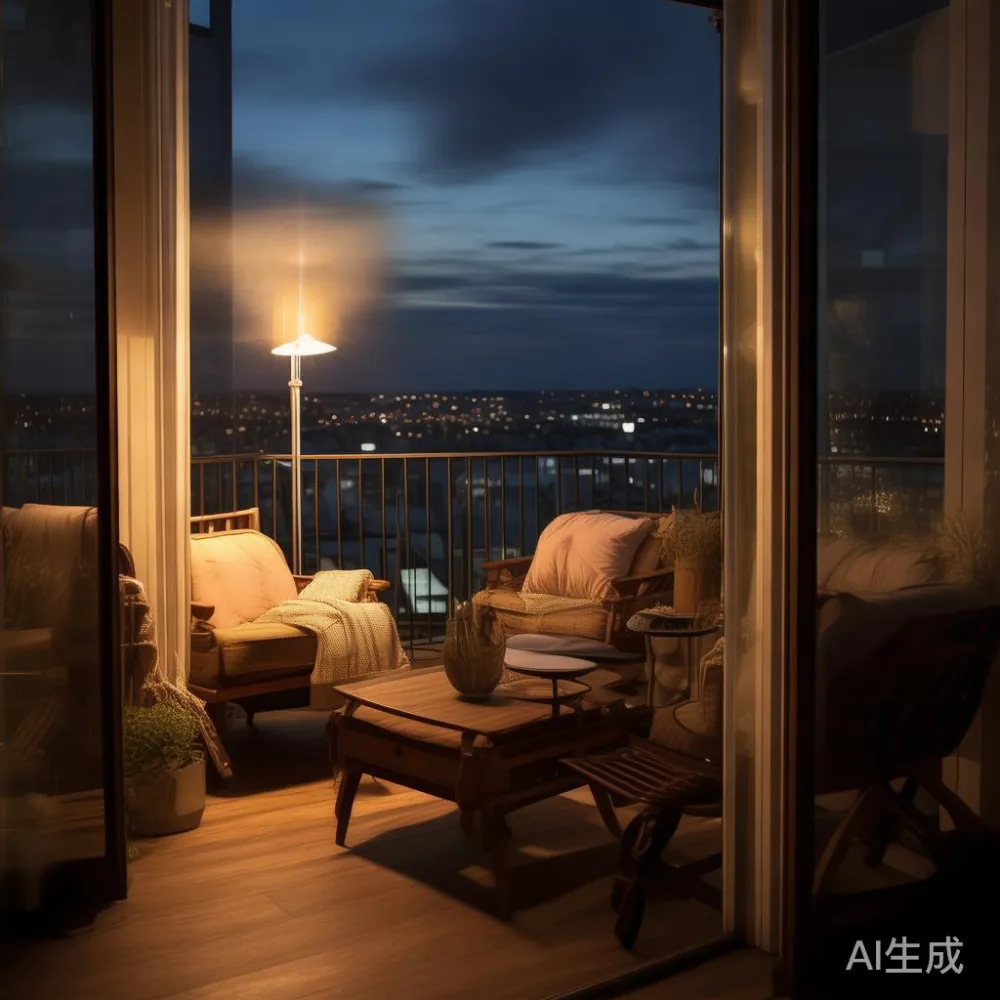
Is Solid Wood Balcony Furniture Really Worth the Premium?
Before we break down the costs, let's address the fundamental question. Solid wood furniture is an investment. Unlike particleboard or MDF that may chip or warp after a few years of Singapore's high humidity, a well-made solid wood piece can be part of your home for decades. Last month, I visited a client in a Bedok condo who had a solid wood dining table that had been in her family for over 25 years. It had been refinished twice, and its character was richer than ever. This longevity is a core part of the value proposition. For balcony furniture, which is exposed to the elements, this durability is even more critical. A solid wood bench or table can withstand the sun and rain far better than most alternatives, making it a practical choice for Singapore's climate.
The Wood Itself: More Than Just a Tree
The type of wood is the most obvious factor influencing price, but it's not as simple as 'hardwood is better.' The cost is determined by a combination of scarcity, origin, and processing requirements.
Common woods used in furniture like teak, oak, and acacia have distinct properties. Teak is prized for its natural oils that make it highly water-resistant, a perfect trait for Singapore's balcony furniture. A solid teak dining table might cost between SGD 1,500 and SGD 3,500 depending on size and design. Oak, known for its strength and beautiful grain, is another popular choice but requires more maintenance in our humid environment to prevent cracking. Acacia, often more affordable, offers a rich, dark colour and good durability, typically ranging from SGD 800 to SGD 2,000 for a dining set.
Then there's the matter of certification. Sustainable wood, certified by bodies like the Forest Stewardship Council (FSC), often comes at a higher price. This isn't just a marketing gimmick; it ensures the wood was harvested responsibly. For a manufacturer like MIDHILL, established in 2008 and exporting to 15+ countries, sourcing certified material is a matter of principle and quality control, which is reflected in their pricing. The weight of the wood also plays a role. A solid oak dining table can weigh over 50 kg, requiring stronger materials and more labour to construct, adding to the final cost.
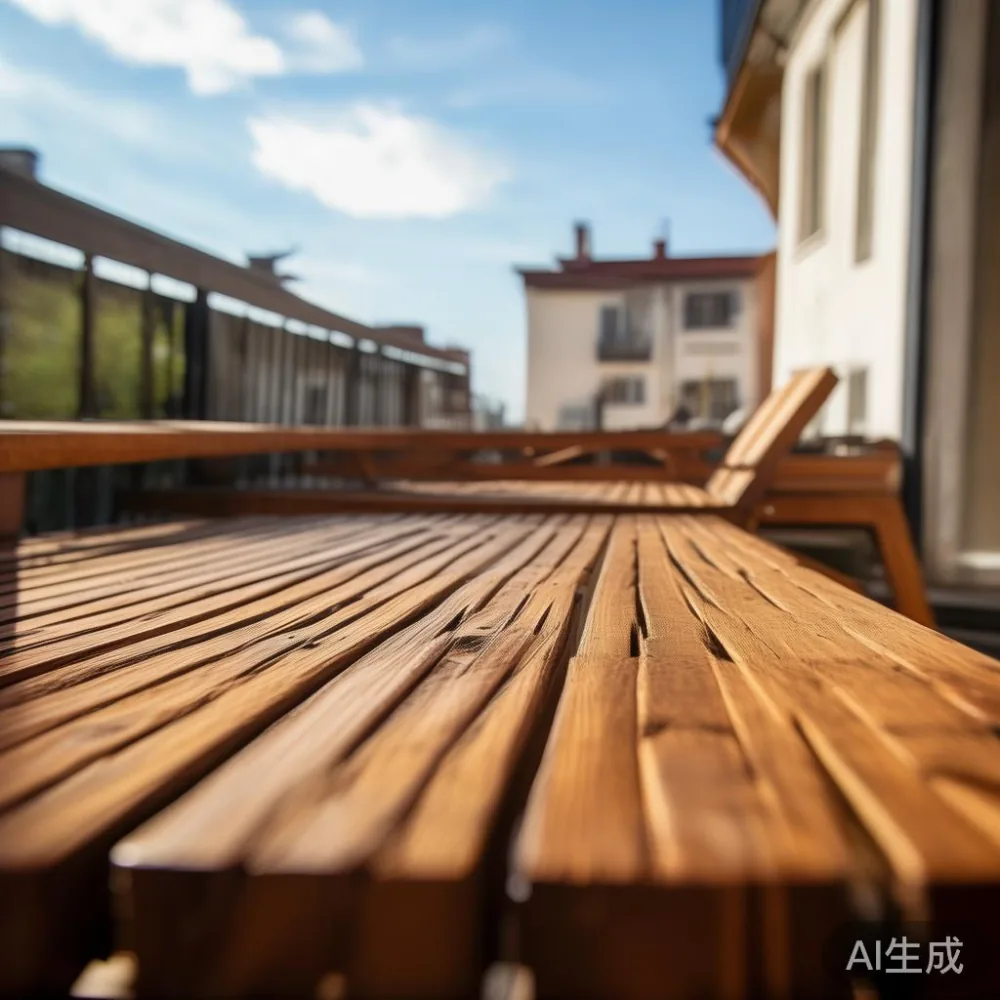
From Workshop to Home: The Hidden Costs of Labour and Craftsmanship
Wood is just raw material. The transformation into a piece of balcony furniture is where significant value—and cost—is added. This is where craftsmanship truly matters.
Consider a simple-looking solid wood nightstand. Its price reflects hours of skilled labour. A carpenter must precisely cut the wood, hand-sand each surface to a perfectly smooth finish, and apply multiple coats of protective lacquer. This process cannot be rushed. A complex piece, like a solid wood sofa with intricate joinery, can take a master craftsman 40 to 60 hours to complete. This skilled labour, often from artisans with years of experience, is a major component of the price tag.
The type of joinery used is another critical factor. High-quality furniture uses dovetail joints for drawers and mortise-and-tenon joints for frames. These methods, developed centuries ago, create incredibly strong and long-lasting connections. Cheaper furniture might rely on nails, staples, or dowel joints that are prone to failure over time. The difference in construction is invisible once the furniture is assembled, but it dictates the lifespan of the piece. A wardrobe with dovetail drawer joints will likely outlast one with simple glued joints by many years.
Design, Finish, and the Allure of Light Luxury
Price is also heavily influenced by design aesthetics and finishing. A minimalist, unadorned bench will cost less than a piece with elaborate carvings or inlays. The finish is not just about colour; it's about protection. A high-quality, multi-layered lacquer or oil finish protects the wood from UV rays, moisture, and daily wear, ensuring it looks beautiful for years. This is particularly important for balcony furniture, which faces direct sunlight.
This is where the concept of 'light luxury' comes into play. Light luxury is about understated elegance, premium materials, and exceptional comfort without being ostentatious. It's a popular style in Singapore's modern condos. Think of a French light luxury dining table with elegant, slender legs and a smooth, painted finish. Or a post-modern light luxury solid wood sofa with clean lines and plush, neutral-toned upholstery. The design, the quality of the fabrics, and the aesthetic contribute to a higher price point. For instance, finding the perfect light luxury dressing table for a bedroom involves looking for pieces that blend solid wood craftsmanship with a sense of refined simplicity.
Understanding Singapore's Local Context: Logistics, Taxes, and Space
The final price of furniture in Singapore includes several local factors that are often overlooked. These can add a significant amount to the final bill.
Goods and Services Tax (GST) is a standard 9% added to the purchase price of most goods in Singapore. This is a government levy that applies across the board.
Delivery and Installation is another major cost. Singapore's urban landscape presents unique challenges. Delivering a large wardrobe to an apartment in a dense area like Tampines requires careful planning. The delivery team must work through narrow corridors and lift landings. In older HDB flats, the standard lift size is approximately 110 cm wide by 210 cm deep. A wardrobe that is 120 cm wide cannot be moved in one piece and may need to be disassembled, which adds complexity and cost. Professional delivery teams charge for their time, fuel, and the specialised equipment needed to move heavy, bulky items safely. Free shipping, like the offer from some brands for orders over SGD 350, is a significant value proposition that eliminates this expense.
Warranty and After-Sales Service is a key differentiator. A 10-year structural warranty on a MIDHILL dining table is a promise of quality. It means the manufacturer is confident in their construction. This peace of mind is part of the price. A lifetime refinishing service means that if the surface of your table gets scratched over the years, a professional can restore it to its original condition, potentially saving you the cost of replacement. These services are built into the business model and are reflected in the initial price.
How to Style Your Balcony: Making Your Investment Work
Once you understand what you're paying for, the next step is to make sure your balcony furniture fits your space and lifestyle. The size of your balcony is the first consideration. A typical HDB balcony is about 3 to 4 metres long and 1.2 metres wide. A large, ornate dining set might overwhelm the space, making it difficult to move around. A smaller, more compact set or a single bench with a side table might be a better fit.
Style is another consideration. For a modern condo in Punggol, a post-modern light luxury aesthetic with clean lines and a mix of wood and metal might be perfect. For a more relaxed, bohemian feel, you might look for the best Boho sofa for 2026, which often features natural materials like rattan and cotton. If your balcony is part of a guest room, you might opt for a Japanese for guest room style, focusing on simplicity, natural wood, and low-profile furniture to create a tranquil atmosphere.
Styling is also about integration. A European wardrobe in apartment needs to complement the other pieces in the room. The same applies to your balcony. The colour of your balcony furniture should harmonise with the walls, flooring, and any plants you have. A light-coloured table can make a small balcony feel more spacious, while a dark wood bench can create a dramatic, cosy corner. The goal is to create a cohesive and inviting space.
Ultimately, the price of solid wood balcony furniture is a reflection of its materials, the skill of its makers, and the value of the services that support it. It's an investment in quality, durability, and the creation of a personal sanctuary right in your home.