The Art of Balcony Furniture: Matching Pieces to a Warm Minimal Interior
In the context of Singapore's urban living, from the compact apartments in Tampines to the sprawling condos in Punggol, the balcony has evolved from a mere utility space into a personal sanctuary. It is a place to breathe, to watch the city's rhythm from above, and to create a small oasis of calm. This transformation requires a thoughtful approach to design, where every piece of furniture contributes to a cohesive and inviting atmosphere. The challenge lies in achieving a warm minimal interior—a style celebrated for its clean lines, uncluttered surfaces, and a gentle, inviting warmth that feels both sophisticated and comfortable. This is not a cold, sterile minimalism, but one that embraces natural materials, soft textures, and a harmonious balance of form and function.
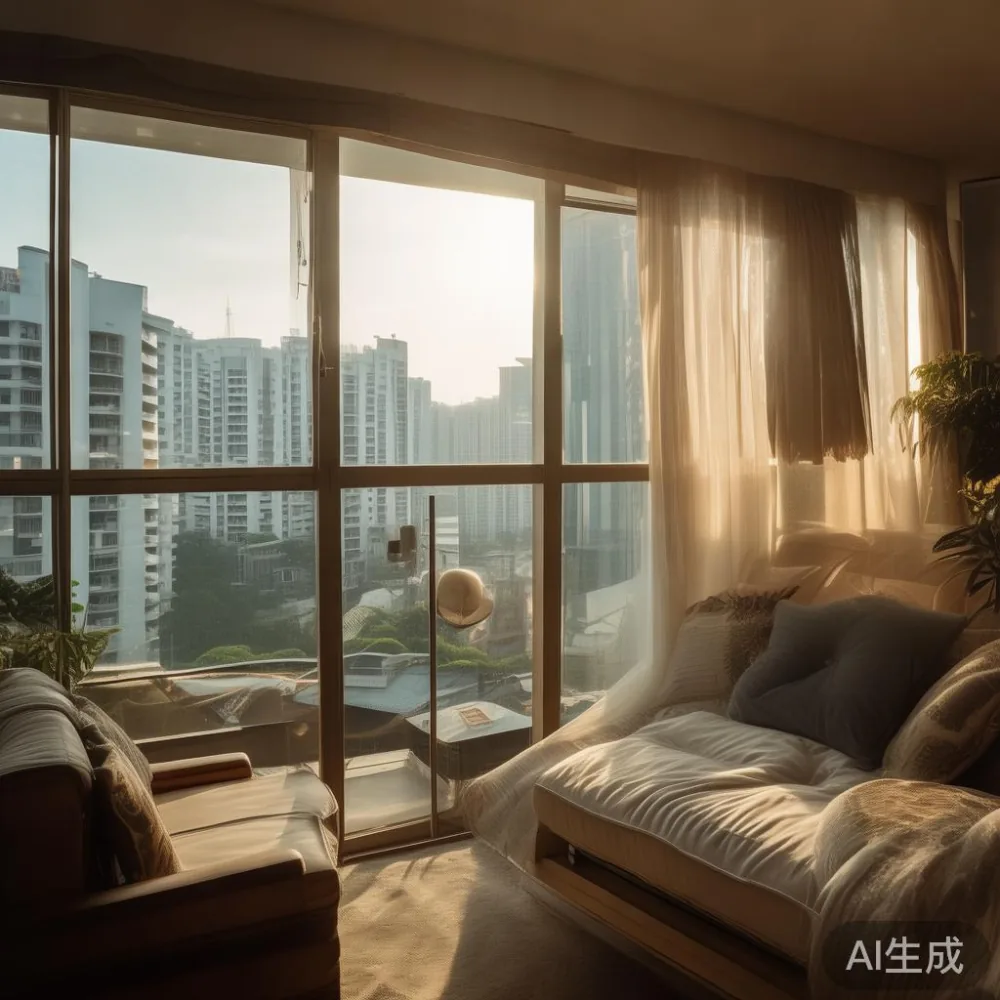
The Art of Balcony Furniture: Matching Pieces to a Warm Minimal Interi — in a sunlit Singapore HDB living room, morning lp>Creating this perfect balance on your balcony, or even within your living space that flows onto it, is about more than just aesthetics. It's about understanding the principles of the style and applying them to your specific environment. For many Singaporeans living in HDB flats, the standard corridor width of 1.2 metres and the lift dimensions (typically 110cm x 210cm) are practical considerations that influence furniture choice. A bulky sofa that is 90cm deep might be perfect for a living room, but a more compact balcony furniture set is necessary for working through tight spaces. The goal is to select pieces that are not only beautiful but also practical for the Singaporean context.p>
Understanding the Philosophy of Warm Minimalism
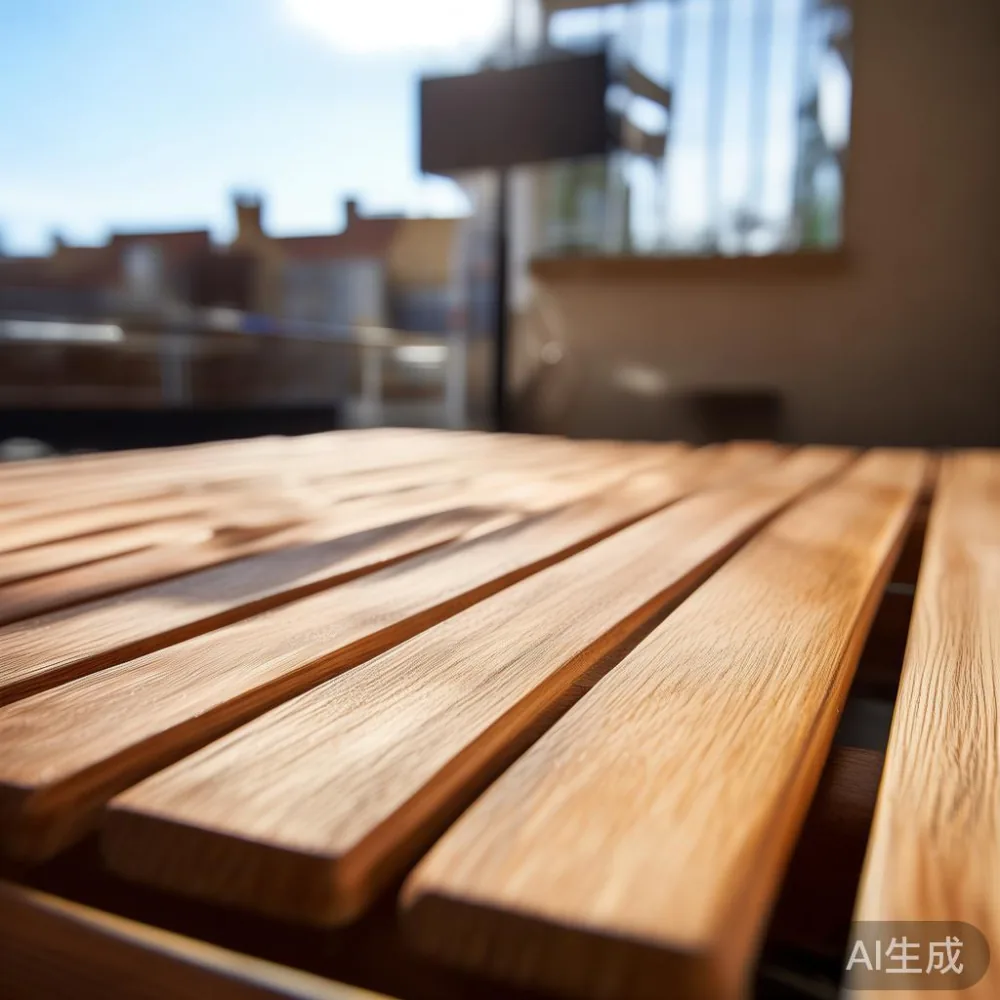
p>Warm minimalism is an interior design philosophy that strips a space down to its most important elements but infuses it with a sense of comfort and human touch. It moves away from the stark, impersonal minimalism of the past and embraces a softer, more livable aesthetic. The core of this style lies in a careful selection of materials, a muted yet rich colour palette, and an emphasis on quality over quantity. Think of a solid wood dining table with a smooth, tactile surface, a linen-upholstered sofa in a warm grey, or a marble table top reflecting soft light. These elements work together to create a space that feels both serene and deeply personal.The Art of Balcony Furniture: Matching Pieces to a Warm Minimal Interi — close-up of the grain and joinery detail, shallop>In a Singaporean apartment, this philosophy translates beautifully. The clean lines of minimalist furniture prevent a small space from feeling cluttered, while the warm materials add a layer of coziness that is important for a home. The style is flexible enough to accommodate various interpretations, from the clean simplicity of Japanese-inspired design to the more structured elegance of French light luxury. A post-modern light luxury approach might introduce a unique sculptural form or an unexpected material, adding a touch of personality without disrupting the calm. The key is intentionality—every piece should have a purpose and contribute to the peaceful ambiance you wish to create.p>
How to Choose the Right Materials for Your Space
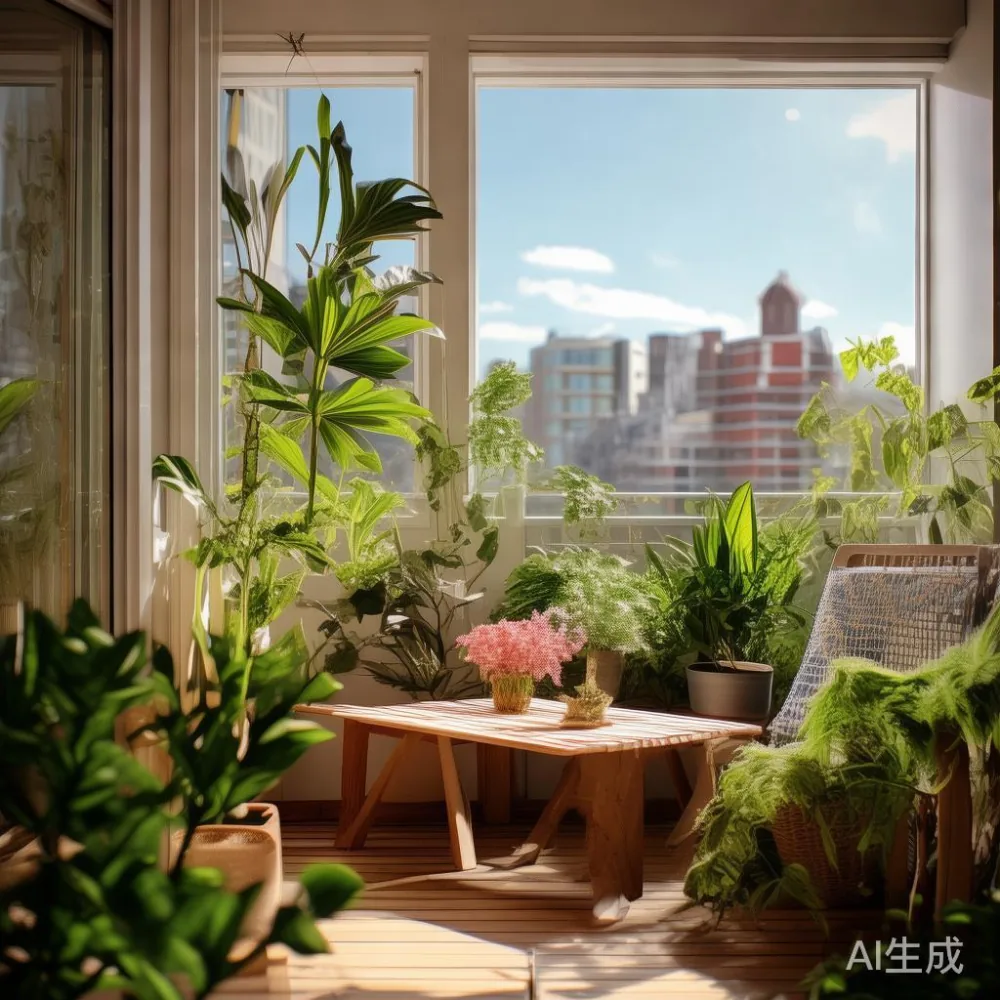
p>The materials you choose are the foundation of a warm minimal interior. Natural materials are the heroes of this style, bringing texture, warmth, and a connection to the natural world. Solid wood is perhaps the most quintessential material. A solid wood sofa frame, for instance, offers durability and a timeless appeal that only improves with age. The grain of the wood, whether it's the light, airy feel of oak or the rich, deep tones of walnut, adds visual interest and a tactile quality that synthetic materials cannot replicate.The Art of Balcony Furniture: Matching Pieces to a Warm Minimal Interi — corner of a small condo apartment with wooden flp>Alongside wood, other natural elements play a important role. Marble table tops, with their unique veining, introduce a touch of understated luxury. A small marble side table on a balcony can serve as a sculptural element and a practical surface for a drink or a book. Linen or cotton upholstery for cushions and throws adds softness and comfort, balancing the hardness of wood and stone. Even the choice of a wardrobe can reflect this principle; a Japandi wardrobe, for example, often features clean lines, natural wood, and simple hardware, embodying the minimalist ethos while offering ample storage. The combination of these materials creates a multi-sensory experience that is both calming and engaging.p>
What is the Best Way to Incorporate Colour and Texture?
p>One of the common misconceptions about minimalism is that it is limited to a palette of black, white, and grey. While these colours are often used as a base, warm minimalism thrives on a more nuanced and inviting colour scheme. The palette typically revolves around neutral tones like warm whites, soft beiges, and greige (a mix of grey and beige), but it is punctuated with deeper, richer colours. Think muted olive green, dusty blue, or terracotta. These colours are used sparingly—as an accent on a cushion, a throw blanket, or a piece of art—to add depth and warmth without overwhelming the space.p>Texture is equally important. It is what prevents a minimalist space from feeling flat or cold. The rough texture of a natural fibre rug, the smooth coolness of a marble table top, the woven texture of a seagrass storage basket, and the soft pile of a wool throw all add layers of interest. When selecting balcony furniture, consider how different textures will interact under the Singaporean sun. A metal chair might get hot, so pairing it with a plush cushion adds both comfort and texture. The interplay of these textures is what makes a warm minimal space feel so lived-in and comfortable.p>
How Does Furniture Scale and Proportion Affect a Small Space?
p>In Singapore, where living spaces can be compact, understanding scale and proportion is paramount. A common mistake is choosing furniture that is too large for the room, which can make it feel cramped and overwhelming. The solution is not to use tiny furniture, but to choose pieces with a lighter visual weight. This means opting for furniture with slender legs, open bases, and clean silhouettes.p>For example, a sofa with high, tapered legs appears to float, taking up less visual space than one with a solid, low-to-the-ground base. A dining table with a pedestal base offers more legroom and a less obstructed view than one with four bulky legs. When selecting balcony furniture, this principle is even more critical. A compact bistro set with two chairs and a small round marble table is often more appropriate for a narrow balcony than a large, rectangular dining set. My colleague, who recently downsized to a 2-bedroom flat in Bedok, found that a solid wood bed frame with a low profile and simple lines made her bedroom feel significantly more spacious than the taller, more ornate frame she had before. The visual breathing room it created was a simple but effective change.p>
Creating a Cohesive Look with Different Furniture Styles
p>A warm minimal interior does not have to be restricted to a single, rigid style. In fact, the most successful spaces often blend elements from different design philosophies to create a unique and personal look. This is where you can introduce elements of light luxury. French light luxury, for instance, can be incorporated through the use of elegant, understated pieces. A French for guest room might feature a delicate chaise lounge or a vanity with a marble top, adding a touch of Parisian chic without being overly ornate.p>The choice between a French sofa vs Nordic sofa is a perfect example of this stylistic blend. A French sofa might feature more detailed upholstery, softer curves, and richer fabrics, while a Nordic sofa is characterized by its simplicity, functionality, and focus on natural materials. In a warm minimal setting, you might choose the clean lines of a Nordic sofa but pair it with a plush, textured throw that has a French-inspired feel. This creates a dialogue between styles, resulting in a space that is both modern and timeless. The key is to maintain a consistent colour palette and a sense of balance so that the different styles complement each other rather than clash.p>
Practical Considerations for Singaporean Homes
p>While aesthetics are important, practicality cannot be ignored, especially in Singapore. The humid climate requires furniture that can withstand moisture and temperature fluctuations. Solid wood furniture, when properly treated and maintained, is an excellent choice as it is durable and ages gracefully. It's worth investing in pieces from makers like MIDHILL furniture, which offer a 10-year structural warranty, providing peace of mind for years to come.p>Another practical aspect is delivery and logistics. When purchasing larger items like a wardrobe or a dining table, consider the delivery process. Many reputable sellers offer free shipping for orders over SGD 350, which can be a significant saving. Also, check the delivery times; a reputable company will typically deliver within 7 to 14 days. For those who are not entirely satisfied, a 14-day return policy offers a safety net, allowing you to exchange or return an item if it doesn't fit your space or meet your expectations. Finally, remember to factor in the 9% Goods and Services Tax (GST) when calculating the total cost of your furniture. These practical details ensure that the process of furnishing your home is as smooth and stress-free as the final result.p>
How to Style Japandi Wardrobe in Apartment?
p>The Japandi style, a beautiful fusion of Japanese minimalism and Scandinavian design, is perfectly suited for Singaporean apartments seeking a calm and uncluttered look. Styling a Japandi wardrobe in your apartment is about embracing simplicity, natural materials, and functional beauty. The wardrobe itself should have clean lines, a simple rectangular form, and a natural wood finish, such as light oak or pale ash. The hardware should be minimal—either discreet handles or a push-to-open mechanism—to maintain the sleek, uninterrupted surface.p>To complete the look, the surrounding area should be kept intentionally simple. The wardrobe should be placed in a position that allows for easy access without blocking natural light. If space permits, a small, low nightstand made from the same wood can be placed beside it, creating a sense of unity. The colour palette in the room should be muted, with soft whites, greys, and the natural tones of the wood. This approach to styling a Japandi wardrobe ensures it becomes a serene and functional centrepiece in your bedroom, contributing to the warm minimal aesthetic.p>
Investing in Timeless Pieces
p>In a world of fast furniture and fleeting trends, investing in timeless pieces is a decision that pays dividends for years to come. A well-made solid wood dining table, for example, is not just a place to eat; it is a gathering spot for family and friends, a surface for work and creativity, and a heirloom piece that can be passed down. When choosing such items, consider the craftsmanship. Look for solid construction, smooth finishes, and durable materials.p>The market offers a range of options, from local artisans to international brands. For those seeking high quality, a search for the best Italian light luxury sofa for 2026 might yield results, but it's important to balance aspiration with practicality. For many homeowners, finding quality under 2000 Rustic furniture that is well-made and stylish is a more achievable goal. The key is to focus on pieces that you genuinely love and that will stand the test of time. This long-term perspective aligns perfectly with the principles of warm minimalism, which values quality and longevity over quantity and trendiness.p>
Conclusion: Your Personal Sanctuary Awaits
p>Creating a warm minimal interior is a journey of curation and intention. It is about surrounding yourself with things that you love and that contribute to a sense of peace and well-being. From the choice of a single piece of balcony furniture to the selection of a marble table for your living room, every decision shapes the atmosphere of your home. By focusing on natural materials, a thoughtful colour palette, and a keen sense of scale, you can upgrade your space into a personal sanctuary that reflects your unique style.p>Remember, the goal is not to create a magazine-perfect space, but to build a home that feels right for you. It should be a place where you can relax, recharge, and find comfort. Whether you live in a busy HDB flat in Tampines or a quiet condo in Punggol, the principles of warm minimalism can help you create a beautiful, functional, and deeply personal environment. Take your time, explore different styles, and invest in pieces that bring you joy. Your perfect, minimalist oasis is waiting to be discovered.