The Balcony Furniture Guide: Surviving Singapore's Humidity
Singapore's HDB flats and condominiums, from the corridors of Tampines to the high-rise living in Punggol, present a unique challenge for homeowners who love the idea of extending their living space outdoors. The balcony, a cherished area for relaxation, is a prime location for furniture. However, the constant humidity, which often hovers between 80% and 90%, can be a silent enemy to wood furniture. Understanding how moisture affects wood is the first step toward making informed choices that ensure your balcony furniture remains beautiful and functional for years.
Why Does Humidity Affect Wood Furniture So Much?
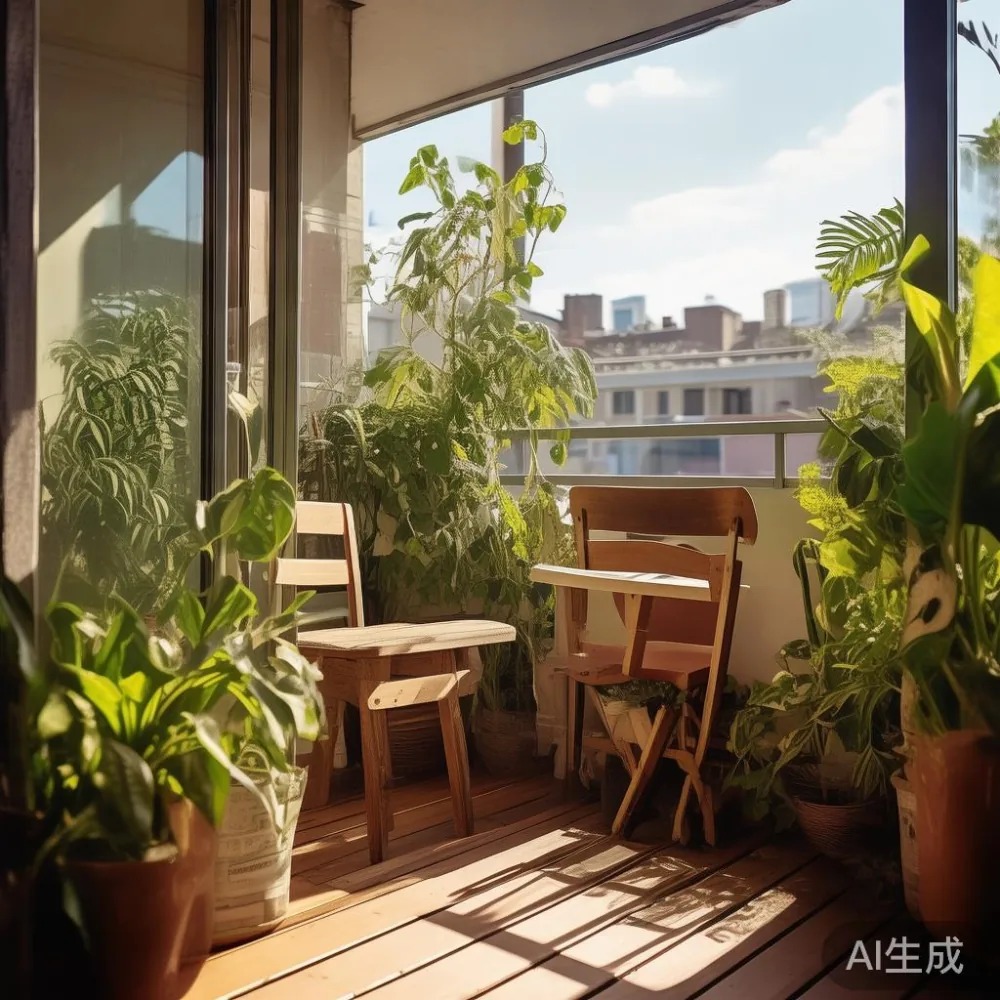
Wood is a hygroscopic material, meaning it naturally absorbs and releases moisture from the air. In Singapore, the air is saturated with water vapour. When wood absorbs this moisture, its fibres expand. Conversely, during drier periods, the wood contracts. This constant cycle of expansion and contraction is the primary reason humidity wreaks havoc on furniture. For balcony furniture, which is exposed to the elements, this process is accelerated. You might notice small cracks developing on a solid wood dining table, or the joints of a chair becoming loose. These are not signs of poor craftsmanship, but rather the natural response of wood to its environment. The goal is to select wood species and furniture designs that can withstand this stress with minimal visible impact.
What Wood Species Can Handle Singapore's Humidity?
When selecting balcony furniture, the choice of wood is paramount. Some woods are naturally more stable and resistant to moisture than others. Teak, for instance, is a popular choice. Its high oil content makes it highly resistant to water and decay, allowing it to perform exceptionally well in humid climates. A teak dining table can last for decades outdoors with minimal maintenance. Another excellent option is Acacia, a dense hardwood that is both durable and attractive, often displaying a rich grain pattern. For those looking for a lighter aesthetic, Shorea, also known as Balau, is a tropical hardwood that offers similar resilience to teak at a slightly lower price point. At MIDHILL, we often recommend these species for our solid wood sofa and dining table collections designed for outdoor use, as their natural properties align perfectly with the demands of the local climate.
Is All Wood Furniture the Same in High Humidity?
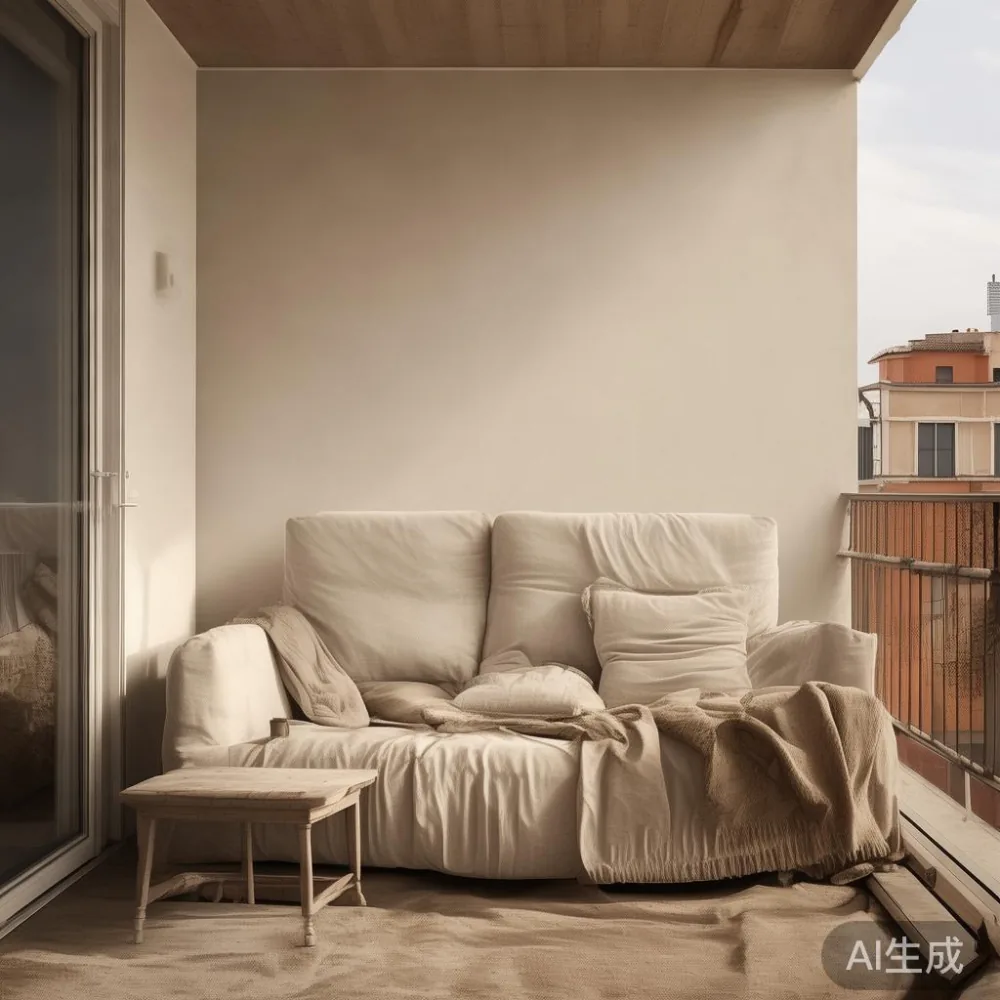
Absolutely not. The construction method and finishing process are just as important as the wood species itself. A poorly constructed piece of furniture, even made from a durable wood, will fail faster. Look for furniture that uses mortise and tenon joints or dovetail joints. These interlocking methods are far more stable than simple butt joints nailed or glued together, as they allow for the natural movement of the wood without compromising the structure. The finish is the next critical layer. A high-quality, marine-grade varnish or oil finish creates a protective barrier, sealing the wood's surface and slowing down the rate of moisture absorption. For a balcony, this finish needs to be UV-resistant as well to prevent sun damage from fading or weakening the wood. A well-finished piece of balcony furniture will have a smooth, even coating, with no brush marks or puddles, indicating a careful application process.
My Experience with a Balcony Set in Bedok
Last month, I visited a client's HDB flat in Bedok. She had purchased a set of light luxury balcony furniture from another brand a year prior. The set included a small marble table and two armchairs. When I saw it, the marble top was fine, but the teak armchairs were a different story. The seats, which were only 1.5 cm thick, had developed severe cupping and warping. The client told me she had applied a teak oil every three months as recommended, but it wasn't enough. The issue was the thickness of the wood; thin pieces have a higher surface-area-to-volume ratio, making them expand and contract more dramatically. I recommended replacing them with chairs featuring seats at least 3 cm thick, which offer greater stability. This real-world example highlighted that for balcony furniture, the devil is in the details, and investing in thicker, more sturdily constructed pieces is a wise decision that saves money and frustration in the long run.
How to Care for Your Balcony Furniture in Singapore
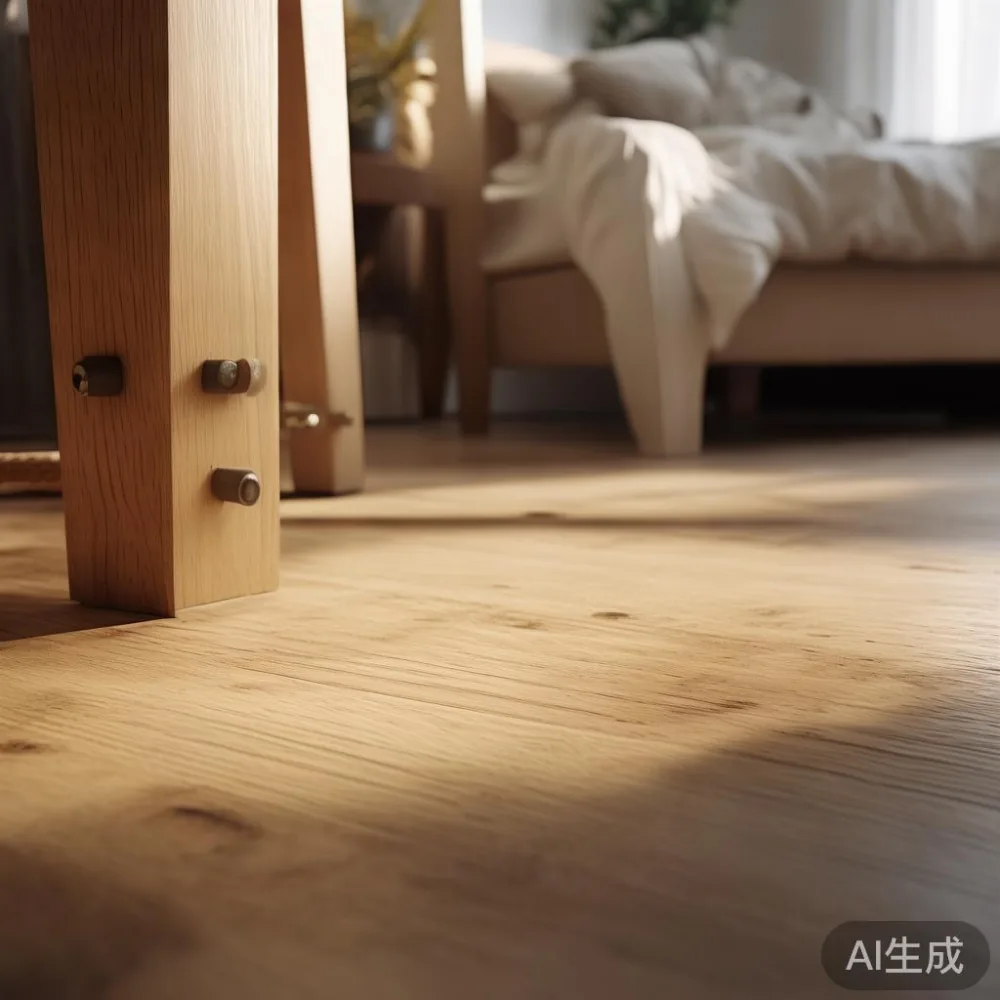
Even the best wood balcony furniture requires regular care to combat Singapore's humidity. The first rule is to ensure proper drainage. If you have a dining table or sofa on your balcony, make sure it is not placed directly on a surface that traps water. Use furniture feet or coasters to improves it slightly, allowing air to circulate underneath. Cleaning should be done with a damp cloth, followed immediately by a dry one to prevent prolonged moisture exposure. For oiled furniture, reapplication of a suitable wood oil every 6 to 12 months is necessary to maintain the protective layer. For varnished furniture, inspect the finish for cracks or peeling annually. If you notice any damage, sand the area lightly and apply a new coat of varnish to prevent water from seeping into the wood. A simple routine like this can extend the life of your balcony furniture from a few years to a lifetime, protecting your investment of several thousand Singapore dollars.
French Provincial Furniture: A Style for Humid Climates?
The French provincial style, with its elegant curves and distressed finishes, is a popular light luxury choice. However, its traditional appeal can be a challenge in a humid climate. The intricate details and ornate carvings common in French provincial furniture can trap moisture, leading to mould and rot if not properly maintained. While it's possible to find well-made French provincial pieces, it requires careful selection. Look for designs that are slightly simplified, with fewer nooks and crannies where moisture can accumulate. The finish is non-negotiable; a thick, clear lacquer is necessary to protect the wood. For someone asking about cheap French provincial furniture, the answer is that true quality comes at a price. Inexpensive pieces often use inferior woods and thin finishes that will not withstand Singapore's humidity, making them a poor choice for long-term balcony use.
Modern Alternatives: The Post-Modern Light Luxury Look
For those who love the light luxury aesthetic but want better performance in humidity, the post-modern style offers a fantastic alternative. This style emphasizes clean lines, geometric shapes, and a mix of materials like solid wood and metal. A post-modern light luxury sofa for the balcony might feature a solid teak frame with sleek, powder-coated aluminium legs. The design is less ornate, making it easier to clean and less prone to trapping moisture. This style also pairs beautifully with a marble table, where the cool, non-porous surface of the marble is unaffected by humidity, providing a stable and elegant surface for drinks or books. This combination of durable materials and thoughtful design creates a balcony space that is both stylish and resilient, requiring less maintenance than more traditional styles.
What About Smaller Balcony Spaces in Singapore?
Many Singaporean homes, especially in older estates like Tampines, have balconies with limited space. The standard lift and corridor width in HDBs is about 1.2 metres, which means any furniture you bring up must be able to work through these tight spaces. For small balconies, multi-functional balcony furniture is key. A bench that can also serve as storage is perfect for hiding gardening tools or cushions. A narrow console table against the wall can hold a few plants and a drinks tray without taking up floor space. When choosing a how to style American sofa in room concept for a balcony, think compact. A loveseat, around 140 cm wide, is often a better fit than a full three-seater sofa. The key is to measure your balcony accurately—note the exact width, depth, and height—before making any purchase to ensure the furniture fits perfectly without overwhelming the space.
Understanding MIDHILL's Warranty and Services
A reputable manufacturer stands behind its products, especially for items exposed to harsh conditions like balcony furniture. A 10-year structural warranty is a strong indicator of confidence in the furniture's construction. This warranty covers defects in the frame, joints, and structure, giving you peace of mind. It's important to note that warranties typically do not cover damage from improper maintenance or environmental factors like extreme weather, which is why proper care is so important. Alongside a long structural warranty, a lifetime refinishing service is an incredible benefit. Over time, even the best finish may wear down. A lifetime refinishing promise means the manufacturer will restore the finish for you, ensuring your furniture looks its best for decades. For orders over SGD 800, free shipping is a significant advantage, saving you the hassle and cost of arranging transportation for large, heavy items like a solid wood dining table. Finally, a 14-day return policy allows you to change your mind if the furniture doesn't meet your expectations, though it's wise to confirm the policy specifics for outdoor items, as they may be subject to different terms.
How to Choose Light Luxury Sofa for Your Balcony?
Selecting a how to choose light luxury sofa for your balcony involves balancing aesthetics, durability, and functionality. First, consider the frame. Solid wood, like teak or acacia, is the best choice for Singapore's climate. Avoid frames made from particleboard or MDF, as these materials swell and disintegrate when exposed to moisture. Next, examine the cushions. High-density foam wrapped in a water-resistant fabric or treated with a moisture-repellent spray is ideal. Loose cushions are easier to bring inside during heavy downpours, while fixed cushions may require a more solid, all-weather fabric. The legs should be either solid wood or a rust-proof metal like stainless steel or powder-coated aluminium. Finally, think about the scale of the sofa. A large, overstuffed sofa might look out of place on a typical HDB balcony, which averages about 3 metres by 1.5 metres. A more streamlined, low-profile design will often be a better fit, creating a sense of spaciousness rather than clutter.
French Bed vs Nordic Bed: Which Style is Better for Outdoor Use?
While the French bed vs Nordic bed debate is typically for indoor spaces, the principles apply to outdoor furniture as well. A traditional French bed is characterized by its ornate headboard, curved legs, and often, a distressed white or pastel finish. While beautiful, its intricate details make it less suitable for a humid, outdoor environment. The Nordic bed, in contrast, champions simplicity. It features clean lines, minimalist design, and a focus on natural wood textures. This simplicity is its greatest strength outdoors. There are fewer crevices for mould to grow, and the straightforward construction is inherently more stable against the stresses of humidity and temperature changes. For a balcony setting, where the goal is often a calm, relaxing retreat, the Nordic aesthetic aligns perfectly with the functional needs of the space, making it the more practical choice for long-term enjoyment.
Final Thoughts on Durable Balcony Living
Creating a beautiful and functional balcony in Singapore is entirely possible with the right knowledge and materials. It requires moving beyond aesthetics and considering the practical realities of the local climate. By choosing durable wood species like teak or acacia, opting for solid construction methods, and committing to a simple maintenance routine, your balcony furniture can withstand the test of time. The style you choose, whether it's post-modern light luxury or a minimalist approach, should enhance your enjoyment of the space without adding to your workload. Remember, a well-chosen piece of balcony furniture is more than just an object; it's an extension of your home, a place to unwind, and a long-term investment in your quality of life.