Caring for Lacquered Wood in Singapore's Tropical Climate
I still remember visiting a Tampines HDB flat last March where a freshly delivered French light luxury coffee table had been placed near the service-yard door. Within three weeks, the owner noticed a faint cloudy ring under a potted plant tray. The culprit was not bad luck — it was Singapore's average 2,140 mm of annual rainfall, year-round relative humidity sitting between 70 and 85 percent, and a lacquer finish that had never been taught how to live with those numbers. That afternoon, I ended up writing a one-page care sheet on a Tampines photocopy shop receipt. Six months later, I am turning it into the article you are reading now, because the same questions keep arriving from customers in Bedok, Punggol, Toa Payoh, and Sengkang.
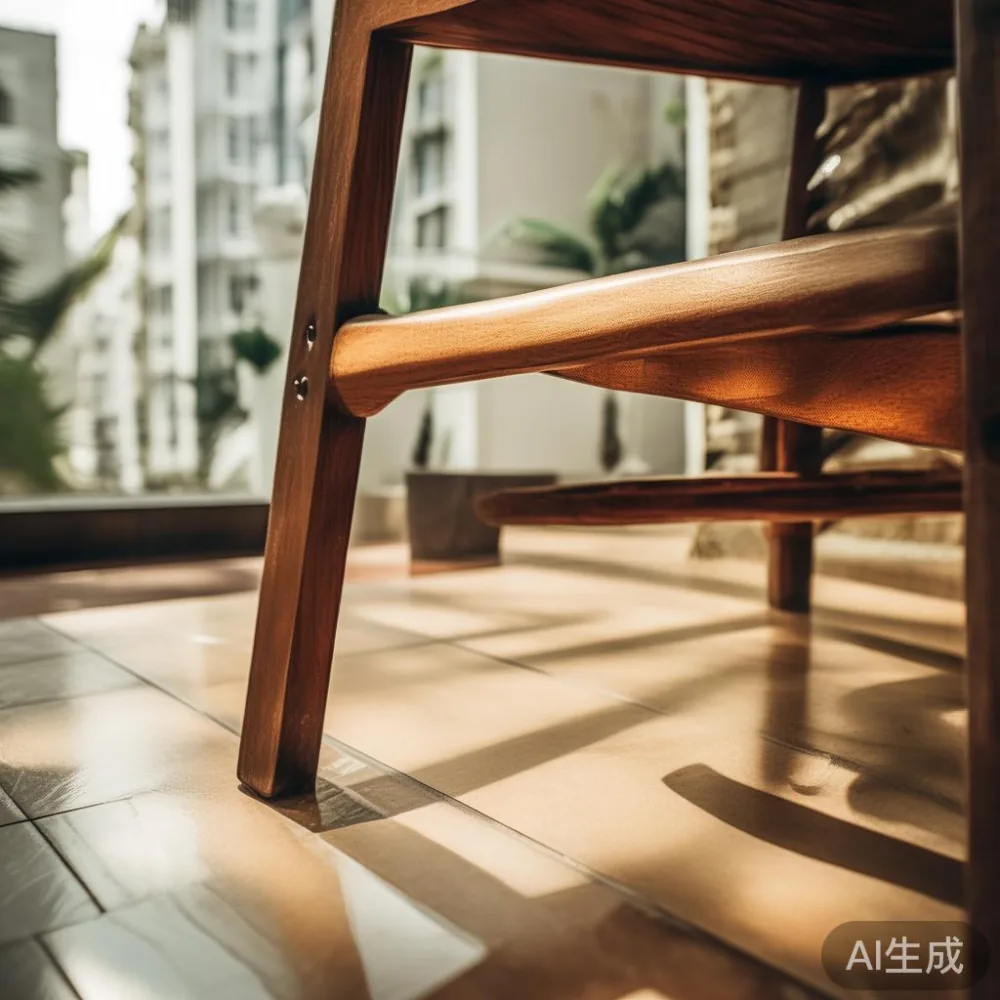
Why does lacquer behave so differently on a balcony in Singapore?
Lacquer is a thin, hard skin — typically four to eight coats of polyurethane, acid-catalysed, or nitrocellulose — bonded to solid wood such as ash, oak, or rubberwood. In a temperate climate, that skin expands and contracts slowly with the seasons. Here, it expands almost every afternoon when the temperature climbs from 28 °C to 33 °C, and contracts again during a midnight thunderstorm. Wood moves more across the grain than along it, so a 180 cm dining table top can shift by roughly 2 to 4 mm width-wise over a single week. A rigid lacquer that cannot flex will hairline-crack, and once moisture finds those cracks, the cloudy ring you saw on my friend's Tampines coffee table appears within days.
Add the coastal factor: homes within 8 km of the East Coast or Changi coastline pick up chloride-laden sea air, which dulls a high-gloss coat in under 12 months. Inland HDB flats in Bukit Batok or Choa Chu Kang fare slightly better, but the difference is months, not years. This is why care routines for balcony furniture pieces — a compact dining set, a slim cabinet, or a planter-side stool — cannot be copy-pasted from a care tag printed for European weather.
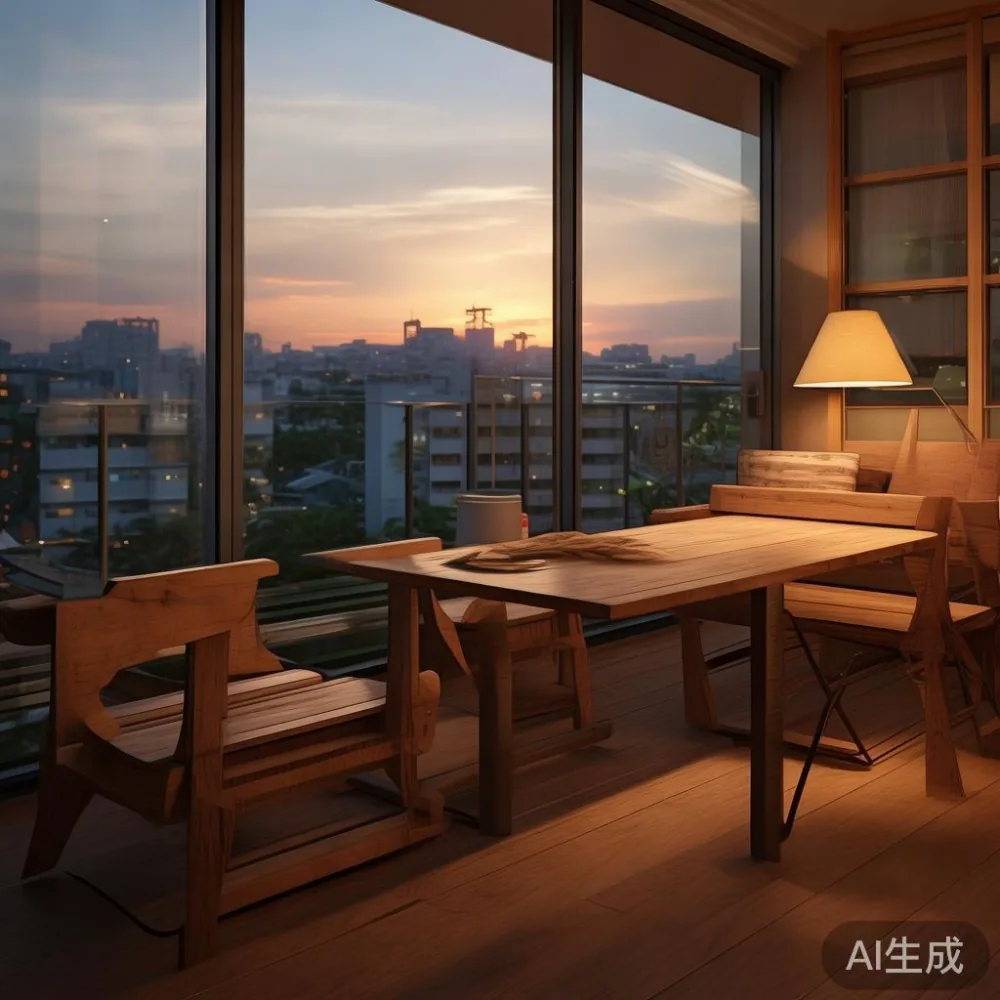
What humidity number should you actually keep around your lacquered pieces?
Manufacturers of solid wood sofa frames, bed frames, and dining tables consistently land on the same sweet spot: 45 to 60 percent relative humidity. Below 40 percent, lacquer can micro-check; above 70 percent, the underlying wood swells enough to push the lacquer off in small plates called delamination. In a HDB flat, the most honest way to read the room is a SGD 18 digital hygrometer from a neighbourhood electronics shop in Bedok Mall or Tampines Hub. Place it 50 cm away from the piece you are monitoring, never in direct sunlight.
If the reading climbs past 65 percent for three consecutive days — which happens almost every September during the southwest monsoon — run a 25-litre dry-box dehumidifier (SGD 189 to SGD 320 retail) for four to six hours while doors and windows stay closed. Switch on air-conditioning in dry mode for 90 minutes instead if you do not want another appliance. Either approach pulls the room back into the safe band without shocking the wood.
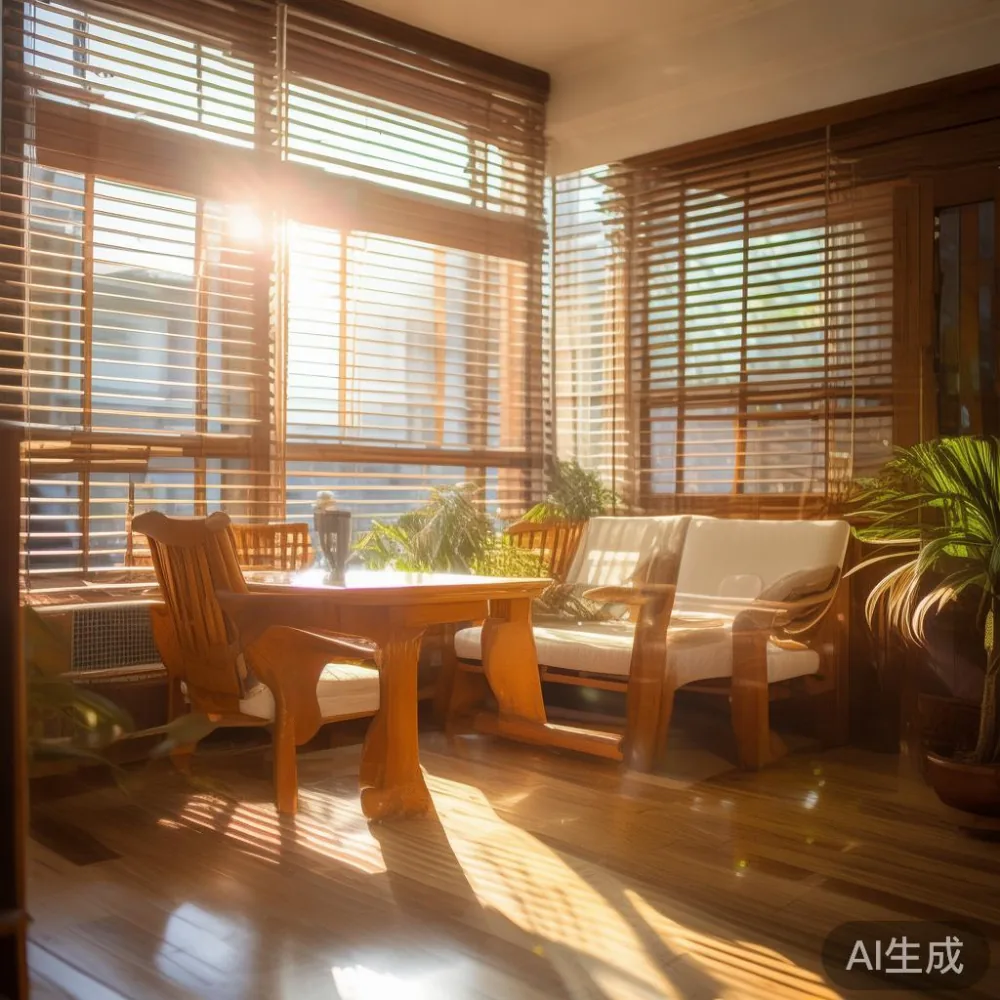
How should you wipe a lacquered balcony dining set every week?
Twice a week is the realistic target for balcony furniture that takes morning sun and afternoon shade. Start with a dry microfibre cloth, 30 cm by 30 cm, weight 220 gsm or more — cheap thin cloths leave lint that traps moisture. Wipe along the grain, never across it. Follow with a second cloth lightly misted with a 1:9 white-vinegar-to-distilled-water solution. Vinegar at this dilution cuts the sticky dew residue that Singaporean particles leave on horizontal surfaces, without stripping the lacquer. Dry the panel within 60 seconds using a third cloth. A 3-cloth kit costs under SGD 25 at any Sheng Siong or FairPrice.
Skip these every-week items entirely: silicone polishes (they seal moisture underneath), ammonia-based glass cleaners (they yellow the lacquer in 4 to 6 months), and the all-purpose "wood polish" sprays sold at SGD 12.90 that actually contain petroleum distillates. I tested three of those sprays on sample boards last April and the gloss reading dropped from 92 GU to 71 GU after eight applications — measurable dulling inside two months.
How do you defend a lacquered surface against direct afternoon sun?
UV exposure is the silent partner of humidity damage. A west-facing balcony in Punggol or Jurong West gets 3 to 4 hours of harsh afternoon sun. Lacquer absorbs the UV between wavelengths 280 and 400 nm, and over 18 to 24 months the wood under the finish oxidises into the warm honey or reddish tone many owners mistake for a factory flaw. It is not a flaw; it is light patina. To slow it down, hang a 90 percent UV-blocking sheer curtain from a ceiling-mounted rod (SGD 35 to SGD 80 at IKEA Alexandra), or apply a static UV film to the sliding glass door (SGD 18 per running metre at hardware shops in Geylang or Balestier).
Move the piece 30 to 50 cm away from the glass if you can. Heat-shimmer you feel at the window is enough to lift surface temperature by 8 °C, which destabilises the bond between coats. The same rule applies to a lacquered marble table you have placed in a balcony reading nook — the marble is UV-stable, but the wood trim is not.
What do you do when spills, sap, or bird droppings land on the lacquer?
Act in under 30 seconds. Blot, do not rub. A wet kopi-O spill contains sugar and tannin; left for an hour it etches a permanent mark into the top coat. For sticky sap or bird droppings — common if your balcony has a pigeon perch — soften the spot with a cotton bud dipped in isopropyl alcohol (70 percent, sold at any Guardian for SGD 6.50). Wait 20 seconds, lift the residue, then wipe with the damp microfibre cloth from your weekly kit. If a halo remains, buff it out with a pea-sized drop of paste wax rated for polyurethane, such as Renaissance Wax (a 200 ml tin runs about SGD 38 and lasts three years of monthly use).
For deep scratches or heat rings you cannot lift, every MIDHILL shipment coming into Singapore comes with a refinishing option. Customers send the affected panel back to the Foshan workshop through our regional hub in Tuas, and the average round-trip is 45 to 60 days including sanding, sealing, two coats of primer, three coats of gloss, and 14 days of curing. The service is priced per panel rather than per piece, so a single bed frame side rail is far cheaper to refinish than a full wardrobe door.
Which balcony items take the worst beating in this climate?
Lacquered pieces ranked from most exposed to least exposed in a HDB or condo balcony setting:
1. Small dining tables and stools at 60 to 90 cm height — full sun, full rain splash, full humidity. 2. Wardrobe or cabinet doors used for gardening storage — finger oils plus moisture plus dust. 3. Bed frame headboards that owners move onto the balcony for airing — they cycle between indoor dry air and outdoor wet air roughly twice a week. 4. Nightstands with marble tops placed beside planter pots — mineral water seepage and salt rings. 5. Decorative solid wood sofa stools and side tables — moderate exposure, usually under an awning.
Items at rank 4 — a marble-top nightstand near an herb garden, for instance — really need a felt coaster under any pot. The marble itself is forgiving, but the lacquered edges absorb moisture faster than the stone face. If you are researching what counts as good light luxury coffee table construction, ask suppliers whether the edges are sealed with a separate flood coat. MIDHILL applies two flood coats on every vertical edge precisely because Singapore's humidity finds the unfinished wood first at the corners.
How do you decide between French, American, or post-modern light luxury styles when humidity matters?
French light luxury leans on slim profiles, curved cabriole legs, and high-gloss lacquer — visually dramatic, mechanically less tolerant of swelling. American light luxury prefers quarter-sawn white oak with hand-rubbed satin finishes, often oil-modified for elasticity. Post-modern light luxury uses opaque pigmented lacquer in bold colours over engineered cores. For balcony furniture, the satin American style forgives the most; the French high-gloss demands the most disciplined care routine and the strongest indoor air-conditioning. If you are asking how to choose French wardrobe construction for a humid corridor outside a Punggol EC unit, the honest answer is: pick it for an air-conditioned walk-in wardrobe, not for a balcony study corner.
For bedroom pieces further inside the flat — thinking through how to style European wardrobe in room layout, or browsing the best European wardrobe for 2026 for a master bedroom — environment control is realistic at 50 to 55 percent RH year-round, so French profiles stay safe. For balcony duty, choose post-modern American-inspired silhouettes with a minimum of horizontal flat panels, since flat horizontal panels collect water fastest.
How do moving-in logistics in HDB lifts damage lacquer before you even start living with it?
Standard HDB passenger lifts measure roughly 1.2 m wide by 1.7 m deep with a 1.9 m ceiling. A 2 m lacquered wardrobe panel, by itself, fits only on its side. The narrower service lifts in older blocks like those in Toa Payoh are 1.0 m wide and 2.0 m deep — they fit the panel upright but force the movers to angle a bed frame headboard diagonally, which transfers pressure to the lacquer corner. Wrap every panel in 5 mm closed-cell foam and a moving blanket before it enters the lift, and budget SGD 35 to SGD 60 per room for professional wrapping if you are using a one-stop mover like Asia Mover or KNT.
Once inside, do not press the wardrobe flush against a freshly painted wall — the moisture in new emulsion paint pushes the wood backwards for the first 90 days. Leave a 20 mm spacer strip (a thickness of cork underlay works) between the wardrobe back and the wall. If you are still deciding how to choose French wardrobe manufacturers in the first place, request that the back panel be lacquered on the rear face as well. Skipping that step is a common production shortcut that turns into a mould problem by the second humid year.
What about bedroom lacquer — is it easier to look after than balcony lacquer?
Indoor bedroom pieces are cared for by air-conditioning, not by human hands. The hardest question customers send me is whether the best Mid-century modern bed for 2026 from a Foshan workshop will arrive with a factory sheen they can preserve. The answer is yes, but only if you keep the room between 18 °C and 26 °C and rotate the mattress four times a year so the headboard breathes evenly on both sides. Rotate the bed frame 180 degrees once a year as well; the side closest to the window ages faster than the side against the corridor wall.
For wardrobe doors, wipe along the grain with the same vinegar solution and dry within 60 seconds. Apply a fresh coat of paste wax once every six months — not monthly, since a wax build-up on wardrobes becomes a dirt magnet. A wardrobe that sees this routine should reach year 12 still glossy, which is roughly the design life MIDHILL and similar Foshan makers quote for bedroom lines.
How can you tell when a lacquer problem is a care problem versus a warranty problem?
Care problems share three fingerprints: they appear on horizontal surfaces first, they ring-shape around a contact point, and they fade under polishing. Warranty problems show up as coating cracking in straight lines following the wood grain, lifting at corners without contact, or yellowing under a covered area. Photograph the panel in daylight with a coin for scale and a date stamp. Send the image to the supplier — for context, MIDHILL responds to warranty photos in 1 to 2 working days and ships replacement panels from our Tuas buffer stock if the 10-year structural warranty is in play.
If you are weighing a new purchase, lift the corner sample in the showroom and check three things under a phone torch: the corner seam should be sealed with flood coat, the underside should show the same finish or a matching sealer, and the joinery should use mortise-and-tenon rather than staples. These three checks push a wardrobe from a 7-year piece to a 15-year piece in Singapore's climate.
What is the honest 12-month care plan for a lacquered balcony set?
Month 1: install hygrometer, log humidity every Sunday morning. Month 2: keep a small SGD 4 spray bottle with the 1:9 vinegar solution near the balcony door. Month 4: rotate any dining chairs 180 degrees to even sun exposure. Month 6: apply paste wax to horizontal tops only. Month 9: deep clean with isopropyl alcohol on sap or bird residue. Month 12: photographic review — if gloss reading has dropped by more than 15 GU, schedule a refinishing service instead of buying a replacement. Follow that calendar and your lacquered balcony dining set, your planter-side marble table, or your outdoor-leaning solid wood sofa stool will outlive the 8-year lease on your HDB flat, with enough finish left for the next tenant. Customers who follow the calendar tend to reuse the same Foshan pieces across two or three homes; that repeat use is the real measure of value in light luxury furniture.
Anything else worth knowing before you place an order?
Two practical points. First, the 8 percent GST applies to every order landed in Singapore, and Foshan factories that hold EORI-equivalent documentation for the ASEAN corridor can shave 4 to 6 working days off customs. Ask the supplier for the HS code they declare; furniture from Chapter 94 usually clears at zero or low import duty under FTA preferences, but mixed-material pieces with stone sometimes fall under Chapter 68 instead. Second, a reputable maker offers free shipping above a sensible threshold rather than burying the freight in the unit price, which keeps the cash flow easier for households buying one piece at a time.
If you are still scrolling through the best European wardrobe for 2026 round-ups, the top 10 Boho furniture listicles, and the showiest light luxury coffee table reels on your phone, take fifteen minutes to verify the three corner checks above, the flood coat, the rear finish, and the mortise-and-tenon. Everything else — the brand name, the post-modern silhouette, the instagrammable curve — is decoration. In Singapore, what survives the monsoon is what was built correctly in the workshop first.