How Southeast Asian Humidity Affects Balcony Furniture
Singapore’s equatorial climate can leave balcony furniture looking weathered sooner than indoor pieces. Average relative humidity often sits near 80%, while afternoon showers and warm air push moisture into timber, marble and metal joints. In HDB flats around Tampines, Bedok and Punggol, the issue becomes more practical: balcony doors may measure only 75–90 cm wide, apartment lifts may be 90–110 cm deep, and a full dining set must pass through narrow corridors before reaching a sheltered outdoor corner.
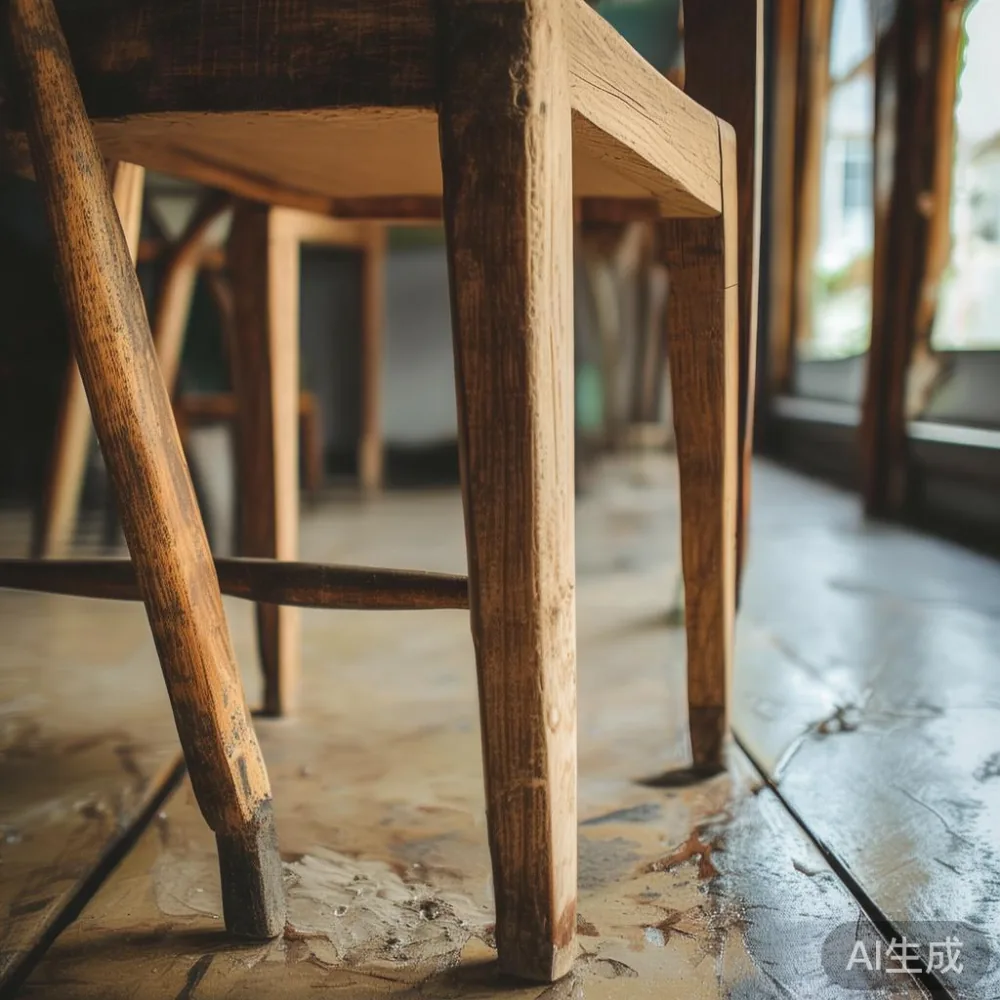
That does not mean solid wood is unsuitable for Singapore balconies. It means selection, dimensions and care must respond to the climate rather than relying on a generic “indoor or outdoor” label. For anyone comparing a European bed vs Italian light luxury bed for a bedroom, the same humidity discipline applies whenever furniture sits beside an air-conditioned room but remains exposed to balcony moisture.
MIDHILL designs solid wood furniture for real homes, including compact balcony furniture suited to Singapore apartments. The practical question is not simply whether humidity affects wood; it is how quickly moisture can enter, how long it remains trapped and whether the finish can withstand repeated drying and wetting cycles.
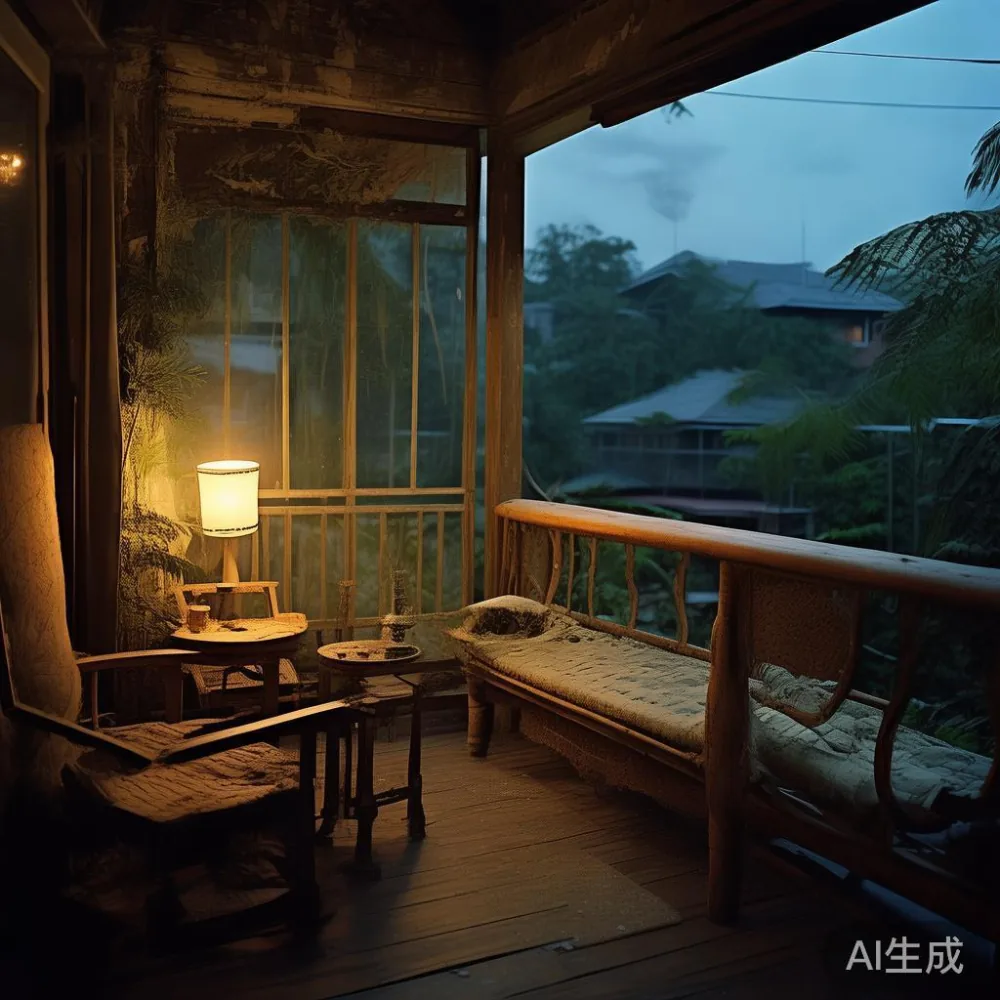
Why Singapore’s humidity changes the way wood behaves
Wood is hygroscopic. It absorbs atmospheric moisture through exposed surfaces and loses it again when humidity falls. A solid wood dining table 160 cm long and 90 cm wide can gain enough moisture to swell its top across the grain, while the underside changes more slowly. That uneven response may cause checking, warping or a loose joint if the piece was manufactured for a much drier environment.
Singapore’s annual humidity is usually around 75–85%, with daily variation influenced by monsoon periods and rain. A balcony may reach 90–95% humidity during heavy showers, whereas a living room maintained at 24–27°C and 50–60% relative humidity can be far drier. Air-conditioning helps, but it also cools incoming air and can reduce its capacity to absorb moisture.
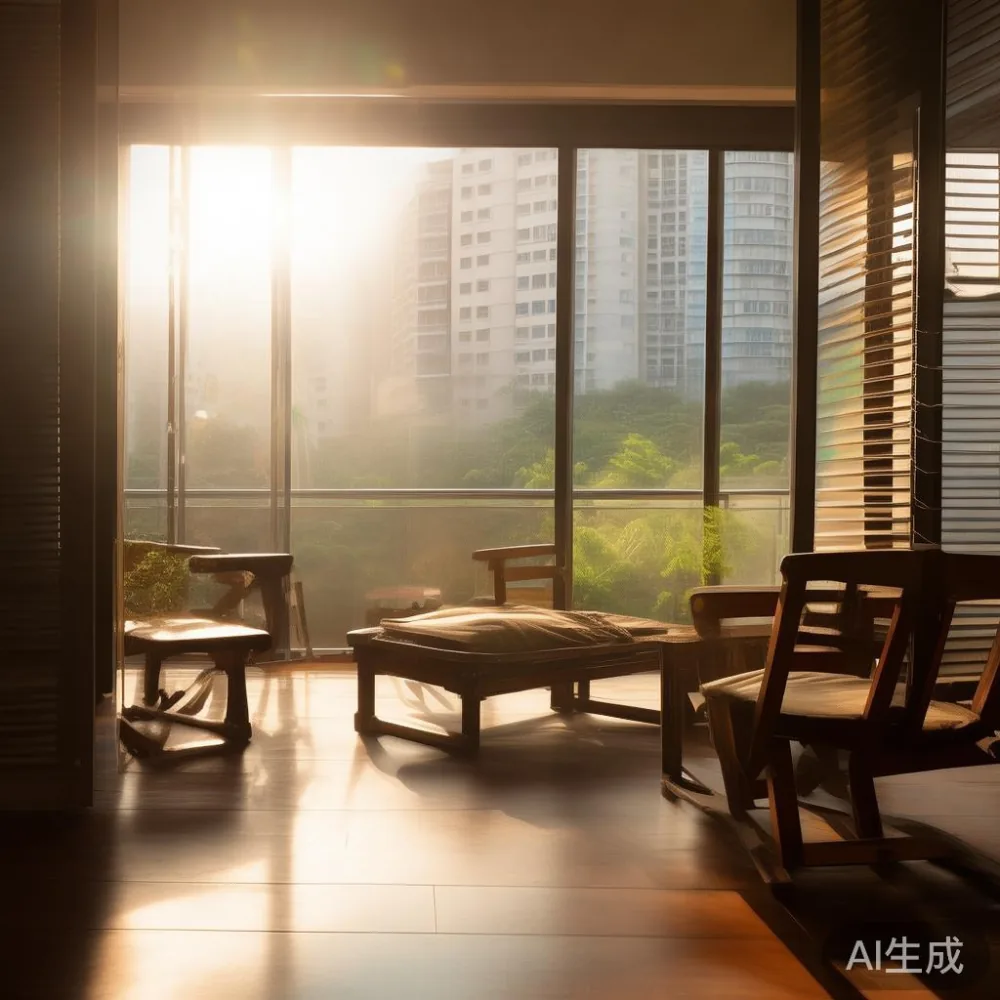
For solid wood furniture, the ideal service range is commonly around 40–65% relative humidity. That is difficult to maintain outdoors in Singapore. The response should be proportionate: use sheltered balcony furniture, preserve airflow, keep timber away from direct rain, and wipe surfaces after exposure. An outdoor cover made from breathable material can reduce daily moisture cycling, while a non-breathable plastic sheet can trap condensation against the wood.
For larger pieces, the movement path must be considered carefully. A solid wood sofa may have upholstered cushions that conceal frame moisture. A solid wood bed frame may be safe in a bedroom but vulnerable if placed against a balcony wall. A wardrobe positioned beside a frequently opened balcony door can experience a humidity gradient across its 180–200 cm width. A nightstand exposed to a damp wall can wick moisture through its lower panels.
The goal is controlled variation, not the elimination of every trace of humidity. Trying to isolate a piece with several layers of plastic may create more condensation than allowing warm evening air to pass around it.
Which balcony furniture materials tolerate Singapore conditions?
Teak is a practical choice for exposed balconies because it is dense, naturally resistant to moisture and can remain serviceable without a highly reflective finish. However, “teak-like” is not the same as solid teak; some products use veneer over engineered timber or mixed hardwood. Buyers should ask for the species, core construction and finish details.
A 4-seat balcony dining set may use teak for the top, while the legs use weather-resistant hardware. At 140–160 cm long, it suits a typical Singapore balcony, but clearance is limited. Before ordering, measure the narrowest door, corridor turn and lift door rather than estimating from the room photograph. A table assembled in the balcony is useful if its maximum width is below 70 cm, because many apartment corridors offer little room for turning.
Solid wood furniture that will remain under a canopy still needs seasonal care. Oak, ash and similar hardwoods can be used indoors or on sheltered balconies when moisture is managed. Pine and softer woods move more noticeably and are better reserved for covered locations. Plywood and fibreboard may be acceptable inside a wardrobe or nightstand, but their exposed edges need more protection in humid conditions.
Marble table surfaces are less prone to dimensional movement than timber tops, but the supporting structure still matters. A marble table with a 2–3 cm slab may weigh 60–120 kg depending on its dimensions. Such a piece may be difficult to bring through a 90 cm lift and dangerous to install on a balcony with limited access. The stone, frame, lifting points and floor load should be reviewed as one system.
Metal frames should have powder coating or another layered corrosion-resistant finish. Salt-laden air near coastal areas such as East Coast accelerates corrosion, while sheltered condo balconies still experience humidity. Stainless fixings, drainage holes and covered feet help extend service life. For woven synthetic fibres, verify that the straps are UV-resistant and can be replaced rather than discarded with the whole frame.
How should a solid wood sofa survive a humid balcony?
A solid wood sofa sounds solid outdoors, yet its frame, joints, finish and cushions each react differently. For a Singapore balcony, a sofa should ideally sit beneath a roof or retractable canopy, at least 30 cm away from the parapet, and not directly beneath an air-conditioning condensate pipe. A 20 cm gap along the rear can improve air movement, though access around the balcony may restrict placement.
Quick-dry cushions are more useful than thick foam cushions that stay wet for hours. Choose covers that can be removed, washed and dried within 12–24 hours. A sofa exposed to morning rain should still dry before the hottest part of the day, when evaporation is lower. If drying is delayed, mould may develop beneath the seat within 48–72 hours.
Inspect the frame twice a year, paying attention to joint lines and the underside. Rub a dry cloth over the timber; if grit feels like powder, the finish may already be eroding. Leave the frame’s seasonal movement alone unless a screw has begun to pull out of a moving joint. Tightening every joint in humid weather can restrict natural expansion.
Balcony furniture also needs safe anchoring. A lightweight 70 kg sofa can shift in wind, but a heavier piece can become difficult to move during cleaning. Anti-tip restraints suited to the balcony structure are safer than relying on friction alone. Avoid drilling into the building without checking the management rules or seeking the appropriate permission.
How do I stop a dining table or wardrobe from warping?
For a dining table, the top and base should be able to move slightly as humidity changes. Look for solid timber panels, stable joinery and a finish designed for the intended location. Reapply protective care every 6–12 months, following the product instructions. A test with a few drops of water is not enough to judge outdoor suitability, because repeated wetting attacks the finish over months.
Place the table where it receives good airflow but not a stream of rain from an overhead unit. Use coasters under cups and hot mats beneath hot dishes. Singapore’s sunlight can reach about 500–800 W/m² around midday, so a shaded position protects both the timber finish and the user.
A wardrobe should not be squeezed tightly against an exterior wall if air cannot circulate behind it. Stand it 5–10 cm away where space permits, and avoid locating it beside a shower or balcony kitchenette. Adjustable feet can keep the base clear of wet floors. For internal storage zones, ventilation slots and moisture-absorbing inserts help stabilise conditions.
The distinction between indoor furniture and balcony furniture should be clear. A solid wood bed frame, wardrobe or nightstand made for an air-conditioned bedroom should not automatically be moved outdoors. Conversely, a teak dining table designed for sheltered use can serve a dining room and balcony if its dimensions suit both spaces.
Design references can help buyers establish a style without confusing materials. Nordic for dining room schemes often favour pale timber, simple lines and restrained profiles. A French provincial coffee table introduces decorative carving, so it is better placed indoors unless made from suitable hardwood with a weather-rated finish. A European light luxury dressing table usually combines fine timber, stone or metal accents, making it a bedroom piece rather than an exposed balcony item.
Questions such as “is Italian light luxury sofa worth it” depend on frame quality, comfort, dimensions and care. An imported-looking exterior cannot compensate for inferior joinery or unsuitable humidity protection. Likewise, the best French wardrobe for 2026 is not defined by a style label alone; it should have stable construction, adaptable internal storage and moisture-conscious placement.
What should I check before ordering balcony furniture?
Measure the route from the HDB or condo lobby to the balcony. Record the lift door width and depth, corridor width, door width, turns and the dimensions of the receiving balcony. A common HDB lift opening may be around 90 cm, but internal depth and opposing door clearance vary by block. For a 180 cm dining table, arrange a sectional design if the lift cannot accept the assembled top.
Keep around 90 cm of clear walking space where possible, and avoid placing a table directly in front of a balcony door. A 140 cm table can seat 4 people, while a 120 cm round table may fit more comfortably in a narrow zone. Check balcony drainage and avoid legs that sit in shallow water. Do not overload a storage rack above the balcony; a wet chair adds far more weight than a dry one.
Ask the supplier for timber species, panel thickness, joinery, finish layers, hardware grade, cushion composition and expected care. Confirm whether the piece is rated for full outdoor exposure, sheltered exposure or indoor use only. A written specification is more useful than a vague claim that the furniture is “weatherproof.”
Delivery logistics matter too. In Singapore, standard furniture delivery commonly takes 5–10 working days after confirmation, while custom or made-to-order pieces may take 4–8 weeks. GST is generally 9% and may appear as a separate line on the quotation. At MIDHILL, orders over US$350 qualify for free shipping under the stated shipping policy, with international terms confirmed at checkout.
Access services may be charged separately if there is no lift or if the item must be carried beyond the landing. Ask whether assembly is included and whether packaging will be removed. For a marble table or a solid wood dining table, the lifting method should be agreed before delivery day.
What care routine works between Singapore’s rain showers?
After rain, wipe the surfaces with a soft, absorbent cloth rather than leaving droplets to sit. Let the furniture dry for 2–4 hours where airflow permits, and avoid using a high-powered blower on unfinished or coated timber. Clean cushions fully if they become wet; a quick wipe does not dry foam trapped inside a seam.
Use a pH-neutral cleaner suitable for the finish, and test it on a hidden 5 cm area. Avoid bleach, ammonia and harsh degreasers on lacquered wood or marble. A neutral pH cleaner is generally around pH 6–8, but the product guidance takes priority. For marble, use a stone-safe cleaner and wipe acidic spills such as citrus juice immediately.
Every 3 months, inspect the underside, legs, joints and fixings. Every 6–12 months, renew a compatible protective finish if the surface feels rough or water no longer beads. Tightly woven synthetic rope can be rinsed and left in a ventilated location; natural rattan should be kept dry because it can absorb moisture and support mould.
Do not oil an already film-forming outdoor finish unless the manufacturer specifically recommends it. Excess oil can darken the timber and attract dust. For interior solid wood, use the approved care product and maintain stable indoor humidity. A bedroom wardrobe should sit away from direct balcony airflow, while a nightstand should not touch a cold exterior wall.
How can you buy balcony furniture that suits a Singapore home?
Choose a clear location first: open balcony, sheltered balcony or indoor room beside a balcony. Then select the material for that exact exposure. Teak and properly finished aluminium are sensible for exposed areas. Other solid wood can work under a canopy with disciplined care. Stone tops require attention to weight, handling and structural support.
Next, measure everything from the lift to the final position. A narrow 70 cm balcony door can exclude even a visually compact 80 cm nightstand unless it is angled carefully; a modular wardrobe can be assembled inside the room. Keep delivery instructions, care guidance and warranty records with the purchase.
Style should follow the use. A solid wood sofa with quick-dry cushions can create a comfortable reading corner. A dining table of 120–140 cm can support everyday meals in a compact condo. A wardrobe is best kept indoors, while a nightstand can accompany a bed frame in an air-conditioned bedroom. A marble table is more convincing as a restrained indoor accent than as an unprotected outdoor centrepiece.
Humidity does not make solid wood furniture impractical in Southeast Asia. It makes climate-aware design important. With the right timber, finish, dimensions and maintenance, balcony furniture can remain attractive for years without pretending that an indoor piece is completely weatherproof.