Living with Wood: Understanding Humidity's Effect on Your Balcony Furniture
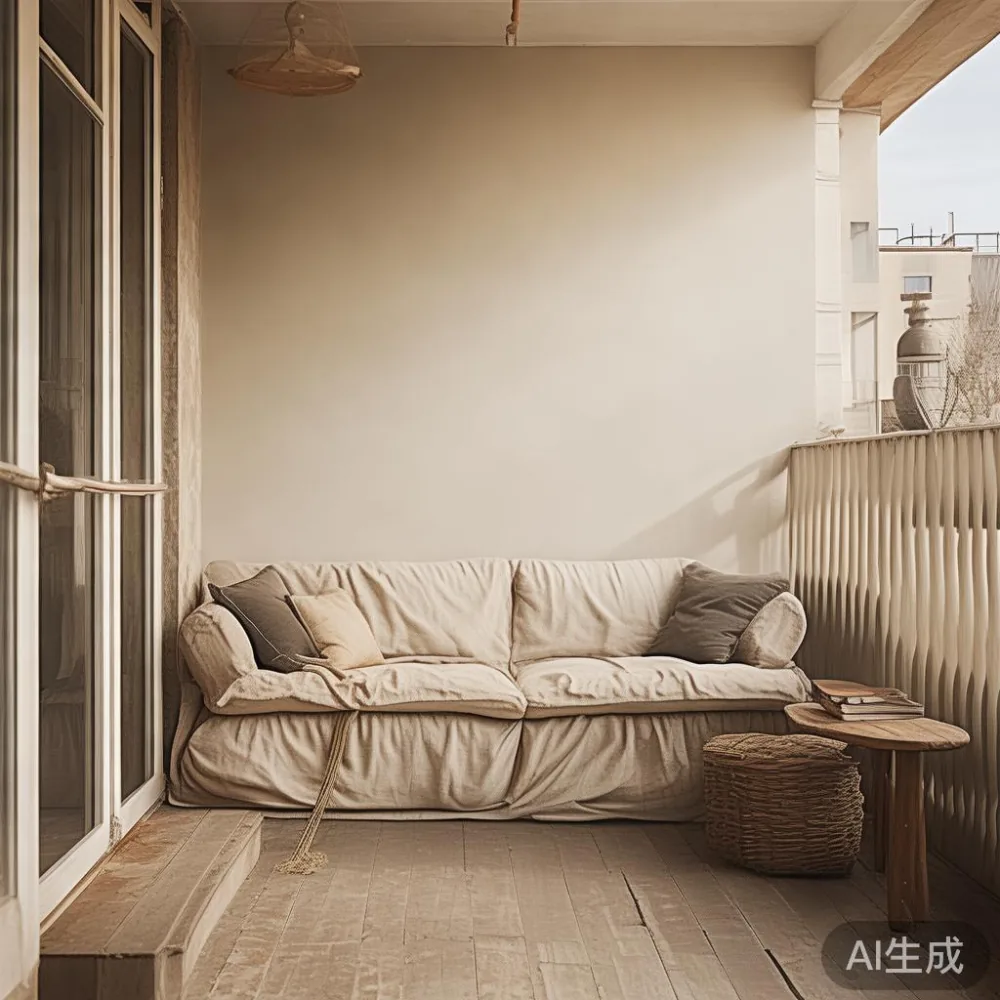
For residents of Singapore's HDB flats and condos, the balcony is a cherished extension of the living space. It's where the morning coffee is savoured, the evening breeze is felt, and personal style is expressed. Many of us dream of outfitting this area with beautiful, natural materials. Solid wood furniture, with its warmth and character, is a popular choice. However, the Singaporean climate, with its year-round high humidity levels, presents a unique set of challenges for wood. Understanding this relationship is key to preserving the beauty and longevity of your outdoor living investments.
What is Humidity and Why Does It Matter for Wood?
Humidity refers to the amount of water vapour present in the air. In Singapore, the average relative humidity hovers between 70% and 90%, a constant that fluctuates little between seasons. Wood is a hygroscopic material, meaning it naturally absorbs and releases moisture from the air to achieve a balance with its surrounding environment. When humidity is high, wood absorbs moisture. When it's low, it releases moisture. This constant exchange causes the wood fibres to expand and contract.
Think of a solid wood dining table left on your balcony. On a humid day, the wood fibres swell, causing the table's surface to expand slightly. The wood might feel slightly cool to the touch. During a drier period, which can occur with strong monsoon winds or air-conditioning from nearby units, the wood contracts. This natural movement is normal, but when it's excessive or rapid, it can lead to problems like warping, cracking, or joint separation. For balcony furniture, which is often more exposed than indoor pieces, managing this moisture interaction is critical.
What Happens When Wood Absorbs Too Much Moisture?
When solid wood, such as that used in a bed frame or a nightstand, is consistently exposed to high humidity without proper care, several issues can arise. The most common signs of moisture damage include:
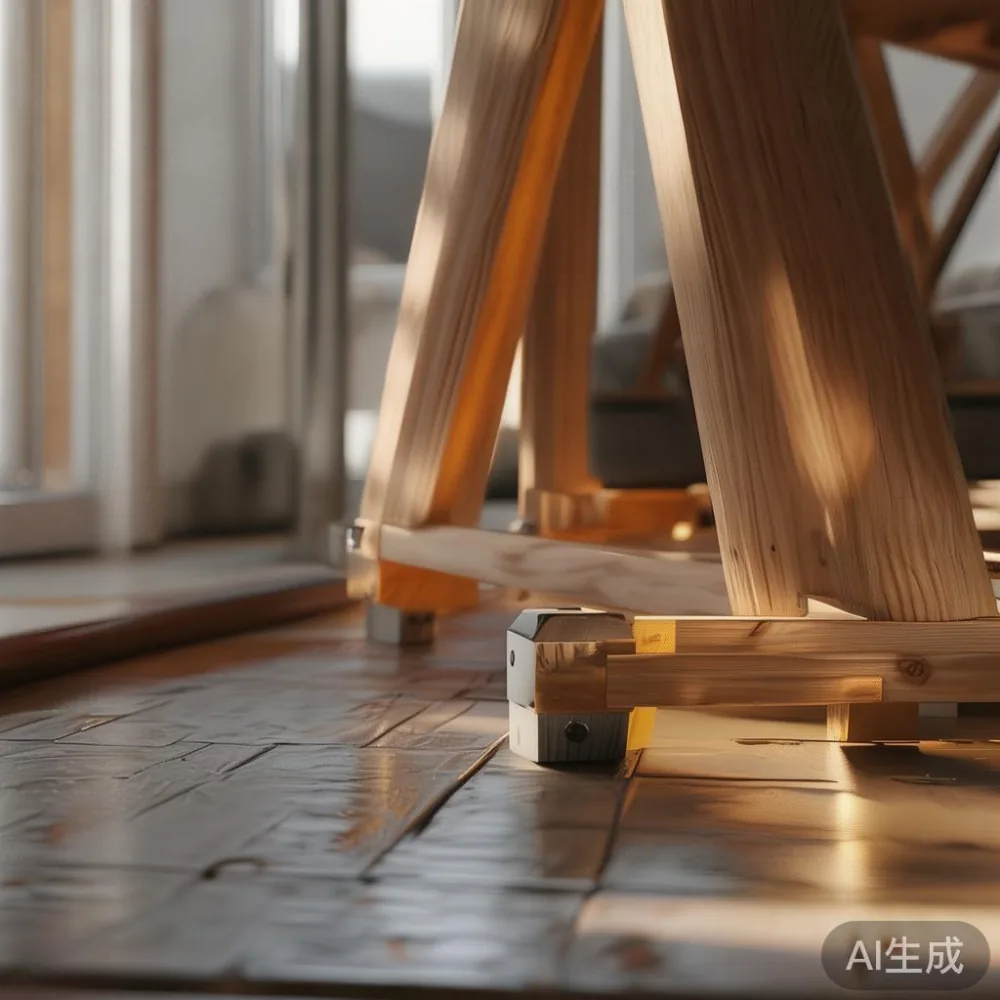
- Warping: The wood can twist, bend, or cup. A flat tabletop might develop a slight curve, or the legs of a chair might splay outwards. A warped balcony furniture set becomes unstable and unpleasant to use.
- Cracking and Checking: As the wood expands and contracts repeatedly, the stress can cause it to split along the grain. These cracks, known as 'checks,' can start small but deepen over time, compromising the structural integrity of the piece.
- Mould and Mildew: Damp wood is a perfect breeding ground for mould and mildew. This appears as black, green, or white spots on the surface. Besides being unsightly, mould can cause health issues and permanently stain the wood's finish.
- Swelling of Joints: The glue in furniture joints can weaken when exposed to moisture. This can cause drawers to stick, doors to misalign, and the entire structure to feel loose and rickety.
My colleague in our Singapore showroom recently shared a customer story. A client had purchased a beautiful solid wood sofa for her Punggol apartment balcony. After just two months of Singapore's rainy season, the sofa's legs had begun to warp, and the cushions felt perpetually damp. It was a clear case of furniture not suited for the local climate, highlighting the importance of material selection.
How to Choose the Right Wood for Humid Climates
Not all woods react to humidity in the same way. The key is to select species that are naturally more stable and resistant to moisture. For balcony furniture, durability is paramount. Look for hardwoods with a dense grain structure. Teak, for example, is renowned for its high oil content, which naturally repels water and insects. Shorea, a similar tropical hardwood, is another excellent choice known for its strength and weather resistance.
When browsing for for sale Modern furniture for your balcony, pay close attention to the product description. Reputable manufacturers will specify the wood type and often mention its suitability for humid environments. Avoid softwoods like pine or cedar for permanent outdoor placement, as they are far more susceptible to damage. The construction method is also important. Furniture with mortise and tenon joints or dovetail joints is generally more stable and durable than pieces held together with simple screws or staples.
Is All Solid Wood Furniture the Same for Outdoor Use?
This is a question we hear often from customers. The simple answer is no. While all wood is natural, its treatment and finish make a world of difference. Indoor furniture is typically finished with products designed for stable, climate-controlled environments. Outdoor or balcony furniture requires a much more solid finish.
Look for pieces that have been treated with multiple coats of a high-quality, marine-grade varnish or sealant. This finish acts as a protective barrier, slowing down the rate at which moisture can penetrate the wood. Some manufacturers also employ a process called 'heat treatment' or 'carbonization,' which modifies the wood's cellular structure to make it significantly more dimensionally stable. For example, a marble table with a solid wood base should have a base made from a treated, stable wood to prevent warping that could crack the marble top.
Caring for Your Solid Wood Balcony Furniture
Even with the right wood and finish, proper maintenance is important to keep your balcony furniture looking its best in Singapore's climate. A little care goes a long way.
1. Regular Cleaning: Dust your furniture regularly with a soft, dry cloth. For deeper cleaning, use a damp cloth followed immediately by a dry one. Never let water pool on the surface. Avoid harsh chemical cleaners or abrasive scrubbers, as they can strip the protective finish.
2. Provide Shade: Direct, intense sun can dry out wood fibres too quickly, causing them to crack. While Singapore doesn't have scorching summers, the afternoon sun can be strong. Consider using an umbrella or placing your furniture in a partially shaded spot on your balcony.
3. Ensure Good Airflow: Stagnant air traps moisture. Arrange your furniture to allow air to circulate freely around it. This is particularly important in high-rise condos like those in Tampines or Bedok, where wind can be a factor. If your balcony is enclosed, ensure there is adequate ventilation.
4. Reapply Protective Oil: Over time, especially with heavy use or exposure, the protective finish can wear down. For oiled woods, reapplying a specialized wood oil once or twice a year will help maintain the wood's natural water resistance and prevent it from drying out.
Styling Your Balcony: A Light Luxury Approach
Choosing the right furniture is only half the battle. The other half is creating a space that reflects your personal style. For many Singapore homeowners, this means embracing a light luxury aesthetic. This style combines clean lines, high-quality materials, and a sense of understated elegance. It's about creating a sophisticated retreat without being overly ornate.
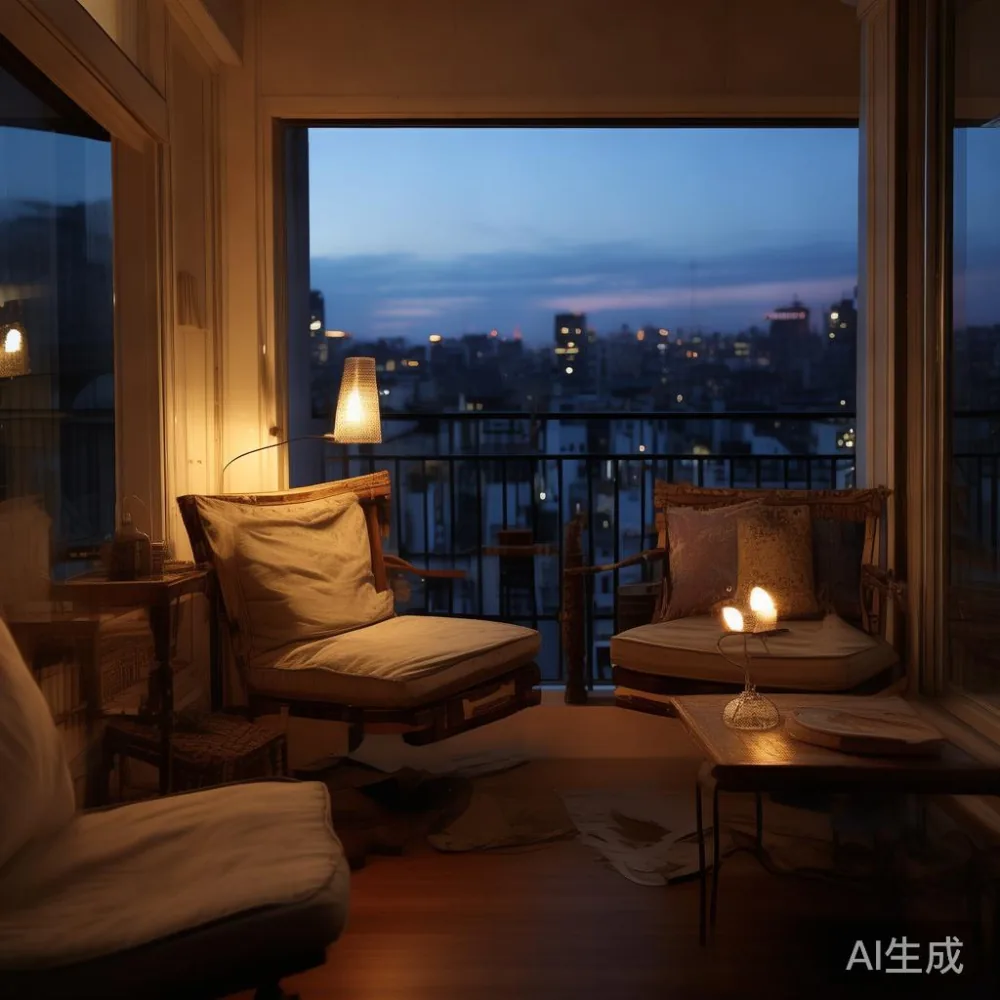
Consider a Modern light luxury accent chair in a neutral tone like beige or grey. It can serve as a stylish reading nook on your balcony. Pair it with a small marble table for a touch of classic luxury. The cool, smooth surface of marble contrasts beautifully with the warmth of wood. For larger balconies, a solid wood sofa with plush, weather-resistant cushions can create a comfortable lounge area. The key is to balance natural materials with modern forms. A post-modern light luxury approach might involve a dining set with geometric shapes and mixed materials, like a solid wood table with metal accents, perfect for enjoying a meal while overlooking the city.
What About Indoor Wood Furniture in Singapore?
While the focus is on balcony furniture, the principles of humidity management apply to indoor pieces as well. The air conditioning in Singapore homes creates a stark contrast between the humid outdoors and the dry indoors. This constant shift can be tough on wood.
For example, placing a solid wood wardrobe directly next to an air-conditioning vent can cause one side of the wood to dry out and contract faster than the other, leading to warping. It's best to position furniture away from direct sources of heating or cooling. Similarly, the choice of a European bed for your master bedroom should consider its construction. A well-made European bed vs Japandi bed often comes down to the finish and joinery; a high-quality European bed will be sealed to better withstand the indoor climate fluctuations. For a guest room, you might opt for something simple and durable, like a well-finished European for guest room style that prioritises function and longevity over ornate detail.
The MIDHILL Approach: Quality Crafted for Climates
When selecting furniture, especially for a demanding environment like Singapore, understanding the manufacturer's commitment to quality is important. A brand's history and practices speak volumes. Established in 2008, a company with over 15 years of experience understands the nuances of furniture making and export. Their products have been designed to withstand the rigours of long-distance shipping and diverse climates, including the high humidity of Southeast Asia.
Look for tangible guarantees of quality. A 10-year structural warranty is a strong indicator that the furniture is built to last. It shows confidence in the joinery and materials used. A lifetime refinishing offer is another valuable benefit, allowing you to restore the piece's original beauty decades down the line. For HDB and condo dwellers, practical considerations matter. Free shipping over SGD 350 and a 14-day return policy provide peace of mind. Delivery is typically handled within 7 to 14 business days to major areas. It's also wise to consider the practicalities of your home. The standard lift width in most Singapore HDBs is about 110 cm, and corridor widths are approximately 120 cm. Ensuring your new furniture can work through these spaces is a logistical detail that a professional manufacturer will have accounted for.
Why Foshan is a Hub for Quality Furniture
Many of the world's leading furniture brands, including those supplying the Singapore market, have their roots in Foshan, China. This city is a global hub for furniture manufacturing, and for good reason. The ecosystem there is unparalleled, with a vast network of skilled artisans, material suppliers, and advanced factories. A Foshan factory benefit from decades of expertise in crafting everything from intricate carvings to sleek, modern designs. They are deeply familiar with international standards for durability, safety, and finish quality. This industrial base allows for meticulous attention to detail, from the selection of a single plank of wood to the application of the final protective coat. When you choose furniture from a brand with a strong supply chain in this region, you are often choosing a product that has been refined through years of manufacturing excellence and a deep understanding of global market needs.
How to Style a European Bed in an Apartment?
Styling a how to style European bed in apartment is about creating a focal point of elegance and comfort. The European style often features a grand headboard, tall legs, and a sense of formality. To integrate this into a Singapore apartment, balance is key. If your bedroom is compact, opt for a bed with a tall, slim headboard rather than a wide, bulky one. This creates a statement without overwhelming the space. Use high-thread-count linens in neutral colours like white, grey, or beige to keep the look clean and sophisticated. Pair the bed with minimalist nightstands made of light wood or metal to complement the bed's grandeur without adding visual clutter. A statement rug underneath the bed can define the sleeping area and add a layer of texture. For a truly luxurious touch, consider a top 10 Industrial furniture piece like a metal-framed desk or a leather armchair to add an element of contrast and modernity to the classic European bed.
Making the Right Choice for Your Home
Investing in solid wood furniture is a decision that adds warmth, value, and a sense of permanence to your home. In Singapore's unique climate, this choice requires a bit more thought, but the rewards are immense. By understanding how humidity affects wood, selecting the right species and finish, and committing to simple maintenance, you can enjoy beautiful, long-lasting pieces for decades.
Whether you are furnishing a small balcony in Bedok or a spacious condo in Punggol, the principles remain the same. Prioritize quality materials and construction. Consider the light luxury aesthetic that blends natural beauty with modern design. And choose a brand that stands behind its products with genuine warranties and a clear understanding of the challenges of the local environment. Your home is your sanctuary, and the furniture within it should be a reflection of that—a perfect balance of style, comfort, and enduring quality.