Singapore Balcony Furniture Care for Longevity
Singapore’s humidity, sudden rain, and strong sunlight can age lacquered balcony furniture faster than many owners expect. At MIDHILL, our lacquer care guidance starts with simple habits: dry furniture after rain, keep standing water away from joints, and wipe salt from surfaces promptly. The same care protects a solid wood sofa frame, a bed frame, a dining table, a wardrobe, and a nightstand when these pieces appear in broader home collections.
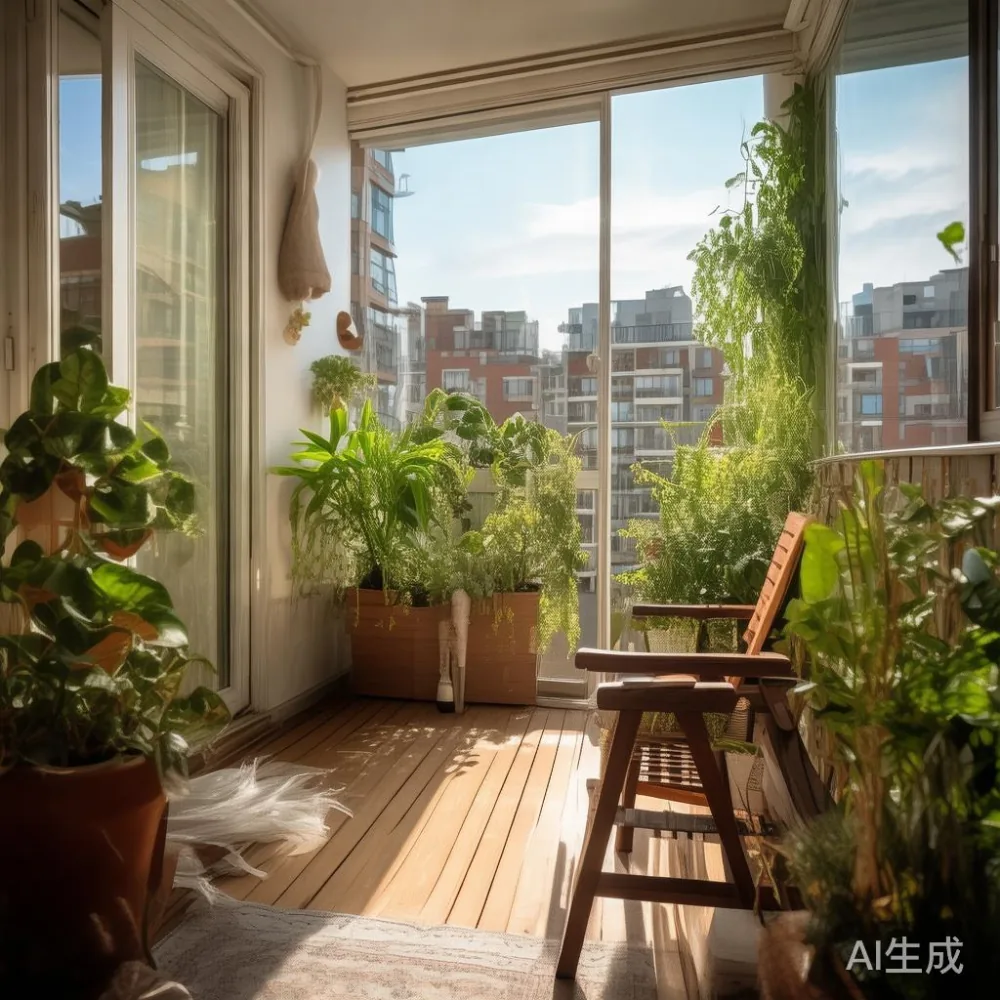
Balcony furniture in Singapore rarely stands in an isolated garden. It may sit just beyond a Tampines HDB flat, beside a Bedok condo pool, or around a sheltered Punggol dining area. A typical HDB balcony measures roughly 300 cm wide by 150 cm deep, while condominium balconies may extend from 200 cm to 500 cm. Lift doors and common corridors often measure only 80 cm to 110 cm across, so careful measurement matters before delivery.
This guide focuses on lacquered balcony furniture: how to clean it, how to limit UV and moisture damage, and when a damaged coating needs attention. Prices are shown in SGD, with GST included where indicated. MIDHILL offers a 10-year structural warranty, lifetime refinishing, delivery in 5 to 15 business days for ready-stock items, free Singapore shipping above S$350, and 14-day returns on eligible pieces.
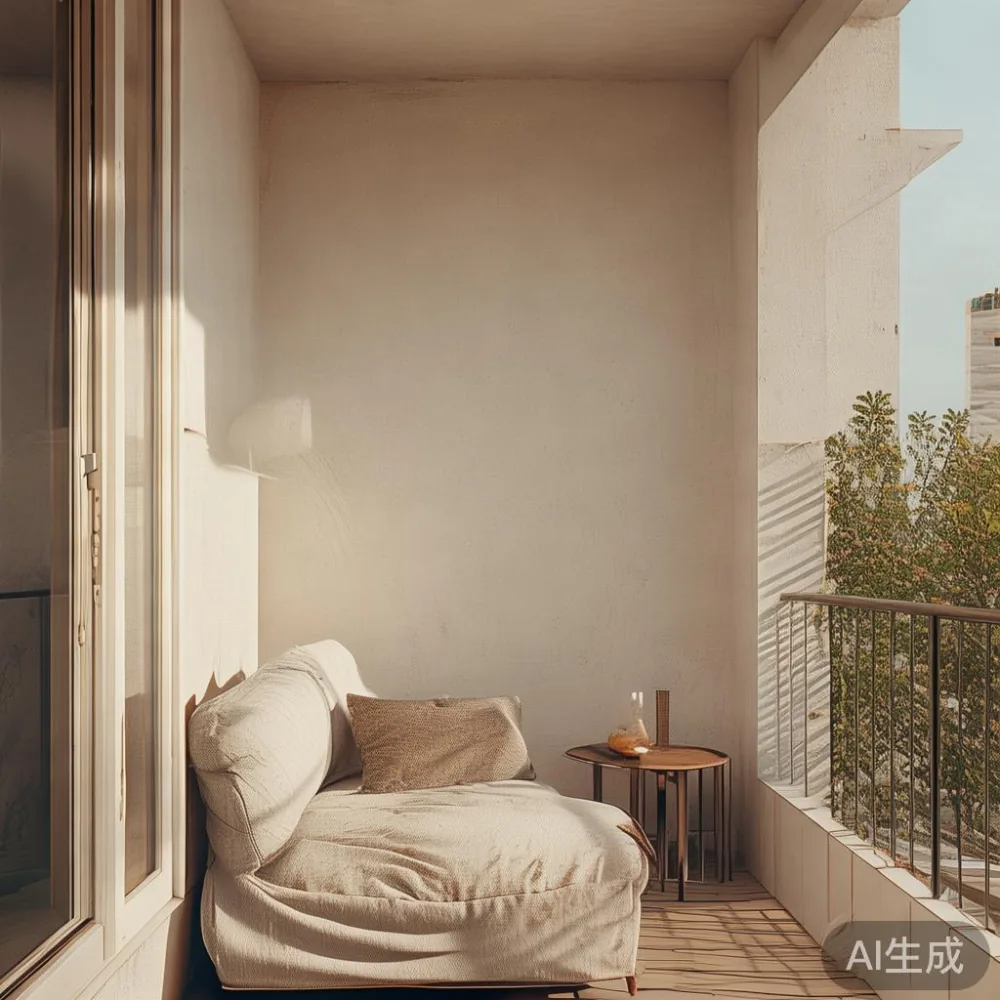
Why does lacquer fail faster on a Singapore balcony?
Lacquer creates a protective film over timber, but tropical conditions test that film in several ways. Relative humidity in Singapore commonly ranges from 65% to 90%, while UV exposure, warm air, and condensation repeat daily. Water can enter small scratches, trapped moisture beneath the coating can cause swelling, and salt deposits from coastal air may remain on the surface.
Heat is another factor. A west-facing Tampines or Bedok balcony can reach 38°C to 42°C at the floor by late afternoon. Lacquer expands faster than the timber beneath it. Repeated expansion and contraction may produce fine cracks, especially around joints and edges. Lift corridors and air-conditioned lobbies offer some relief, but furniture still experiences temperature changes between its delivery point and balcony position.
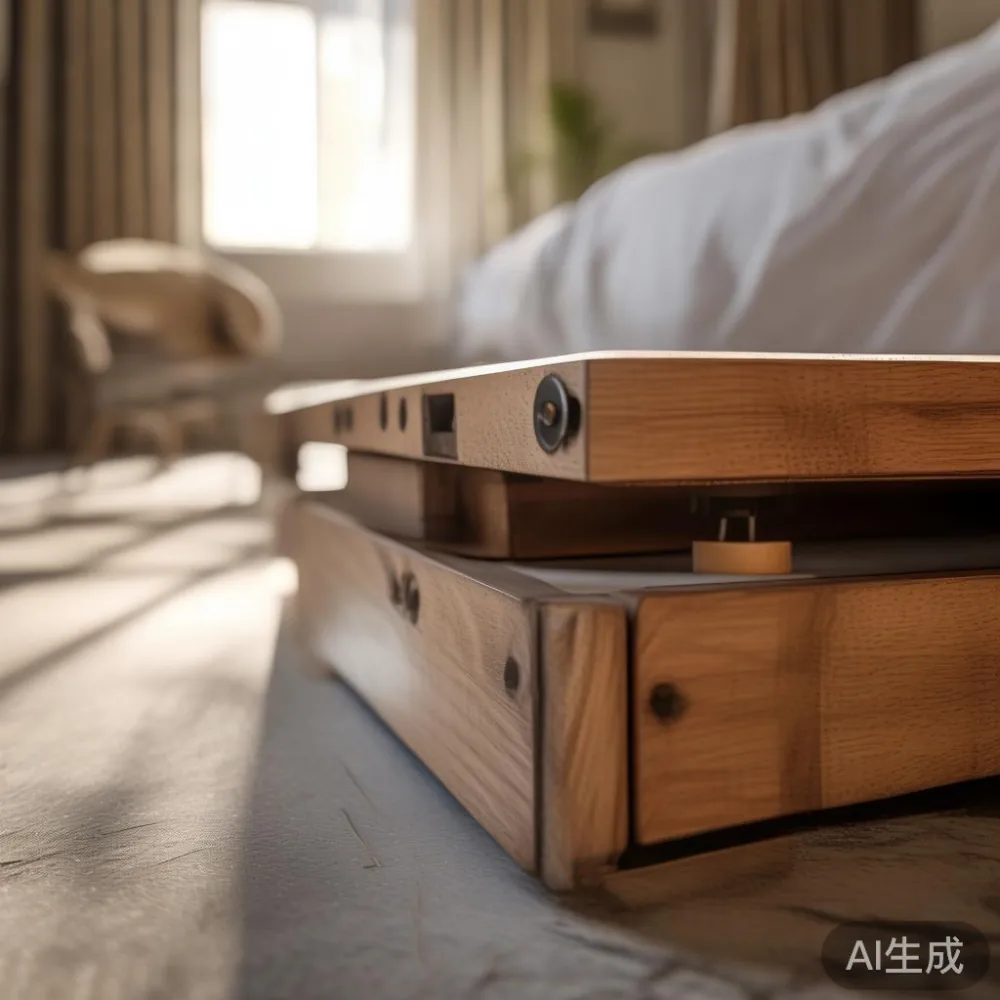
Not every lacquer behaves identically. Water-based lacquer generally has lower solvent odour and usually responds well to mild soap. Solvent-based lacquer often provides a deeper gloss but may yellow under UV exposure and heat. Confirm the finish type before applying any product, and test it on a hidden 5 cm by 5 cm area.
French light luxury, American light luxury, and post-modern light luxury can all use pale lacquer, restrained profiles, and finely detailed edges. These styles look refined on a balcony, but a sharp gloss line will reveal fingerprints and dust more readily than a matte finish. Gloss also shows water spots, while satin and eggshell finishes tend to make daily wiping less conspicuous.
What supplies should a Singapore homeowner keep ready?
A practical care kit needs only a few items. Use a soft microfibre cloth, a clean bucket with a capacity of 10 litres, lukewarm water, and 2 ml of pH-neutral dish soap per 5 litres of water. A second cloth reserved for rinsing helps prevent detergent from being spread across the lacquer. Keep a soft natural-bristle brush nearby for dust around slats and carved details.
For routine cleaning, mix 10 ml of mild lacquer cleaner with 1 litre of lukewarm water if the manufacturer permits it. Avoid abrasive pads, steel wool, scouring powder, ammonia, bleach, alcohol, and concentrated degreasers. Alkaline cleaners may dull lacquer, while abrasive tools can scratch the clear coat within 20 to 30 uses.
For concealed hardware, use a small 10 cm paintbrush. For joints, use a clean artist’s brush. Paper towels may pick up light dust, but they should not be rubbed over a glossy finish because embedded grit can cause hairlines.
Outdoor cushions require a different routine. Remove them whenever rain is forecast, and wash removable covers according to their care label. A typical seat cushion measuring 60 cm by 60 cm by 12 cm can absorb several litres of water if the foam is saturated. Keep at least 5 cm of clearance beneath the furniture where possible, and use a breathable cover rather than airtight plastic sheeting.
For larger projects, treat the TV console as a reference for finish care: even when a unit remains indoors, its coated surfaces need gentle cleaning. The same principle applies to a marble table top, although stone requires its own pH-neutral cleaner and should never be treated with a wood lacquer product.
How should lacquered balcony furniture be cleaned after rain?
Move small tables or stools under cover before the shower arrives. After the rain stops, let the surface lose excess water first. Wipe standing water within 30 minutes, then use a separate damp cloth to remove dirt. Do not leave a soaked cloth sitting on lacquer for 10 minutes or more.
For a lightly dirty surface, dampen the microfibre cloth rather than spraying cleaner directly onto the furniture. Spray can enter seams, screw holes, and joints. Wipe in the direction of the grain, then dry immediately with a clean cloth. A dining table should receive no more than 2 to 3 sprays per 100 cm section before wiping.
For salt film, dilute 5 ml of pH-neutral detergent in 1 litre of water. Wipe once, rinse with a second cloth dampened with clean water, and dry. Salt becomes abrasive when trapped beneath shoes or chair legs, so cleaning the surrounding floor matters too. Sweep grit away from the furniture base every 7 days during wet periods.
After a downpour, check the underside and feet the next morning. Water sometimes runs along balcony rails and collects behind a solid wood bed frame or a solid wood sofa stored indoors for a wet season. Dry the contact points with a cloth and allow air to circulate. Do not place a dehumidifier directly against lacquer; maintain at least 60 cm of separation.
My colleague tested this method last month on a lacquered balcony dining table in Bedok. It stood 3 metres from a façade where water collected during a 20-minute shower. After one wipe with diluted detergent and a second rinse, the salt ring disappeared without a visible change to the gloss. A neighbouring table cleaned with a scouring pad developed a 4 cm scratch, showing why grit should be removed before the surface is wiped.
How can UV damage be reduced on lacquered balcony furniture?
Shade is more useful than any temporary polish. For a south-facing balcony in Punggol, a fabric awning or outdoor blind can lower furniture-surface temperature by roughly 5°C to 12°C during peak afternoon heat. For a west-facing unit, consider a retractable screen with UV filtering rather than a dark cloth, which can absorb heat and transfer it to the lacquer.
Apply a compatible UV clear coat only if the lacquer manufacturer allows it. One thin coat on a 90 cm by 60 cm table represents approximately 0.54 square metres. Most clear coats need 2 to 3 hours before handling and 24 to 72 hours before full chemical resistance. Do not apply them in direct sun, during rain, or when humidity exceeds 85%.
Rotate movable balcony furniture every 2 to 4 weeks. This prevents one side from taking all the sunlight. Use felt pads beneath legs, but replace them when compressed; a worn pad can scratch lacquer and trap moisture. For a 120 cm dining table weighing 45 kg to 60 kg, distribute the load across at least 4 protective points.
Post-modern light luxury styling works well with low-profile balcony pieces and muted colours, while the finer edges associated with French light luxury show UV fading more clearly. Select furniture with UV-resistant pigments and a sacrificial finish where replacement is planned every 5 to 7 years. Appearance alone cannot confirm UV performance, so request technical information before purchase.
One useful comparison is the European light luxury bed vs Nordic bed question: a lacquered bed frame may suit a polished bedroom, while an oiled Nordic frame better suits a humid room with varied finishing needs. For balcony furniture, lacquer offers wipe-clean convenience, but only with consistent care.
How often should lacquer be inspected and renewed?
Inspect balcony furniture every month and after severe rain. Look for dull patches, blisters, lifting edges, and tiny cracks in an oblique light. A 10 cm crack does not necessarily mean the timber has failed, but it deserves prompt attention because moisture can enter the opening.
Use the following schedule:
- Every 7 days: remove leaves, wipe surfaces, and check that chair legs do not rub against the table.
- Every 30 days: wash with diluted pH-neutral detergent, rinse, dry, and examine underside joints.
- Every 6 months: check fasteners, renew protective feet, and inspect any clear coat for peeling.
- Every 2 to 3 years: assess UV fading, yellowing, and wear in high-contact areas.
- Every 5 to 7 years: consider professional refinishing if the coating no longer seals evenly.
Keep away from heat sources. A barbecue should remain at least 200 cm from lacquered furniture, and smoke should not drift across it. Avoid placing a hot metal pot directly on a dining table; even a 70°C event can cause a visible ring in some coatings.
For a broader home, a nightstand may need the same careful approach as a balcony table if humidity passes through it. The Modern light luxury wardrobe should be wiped gently and its moving parts checked twice a year. A Modern light luxury sideboard benefits from stable indoor humidity, although it should not be used as a damp-weather storage solution.
Lifetime refinishing from MIDHILL applies according to the product’s care terms, so check what is covered and whether freight is included. Refinishing is not a reason to neglect cleaning. A wood surface protected by sound lacquer will generally respond more evenly to refinishing than one left open to rain and UV.
Can lacquered balcony furniture fit a small HDB or condo space?
Yes, provided the piece is measured against the route as well as the balcony. HDB lift doors often measure 80 cm to 90 cm wide, while some condo service lifts reach 110 cm to 140 cm. Corridors may narrow to 90 cm at corners. A dining table with a 140 cm top should not be carried into a residential block without checking its diagonal and the turning clearance at each corner.
For small balconies, choose a round dining table of 90 cm to 110 cm diameter. It gives more movement space than a rectangular 140 cm by 80 cm table. A 60 cm balcony stool may suit a 300 cm HDB balcony, while a larger 180 cm sofa should be checked against the door swing and drying racks.
Keep at least 60 cm between a dining chair and balcony railing where possible. This allows the chair to move without striking the rail or lacquered table edge. Stackable seating can save 40 cm to 70 cm of floor space when folded, but inspect the contact points for grit before stacking.
Design references such as top 10 Japandi furniture lists often favour compact timber pieces and uncluttered layouts. Those ideas translate well to balconies through simple forms, useful scale, and fewer surfaces that trap moisture. Similarly, a guide to how to style Japanese sofa in bedroom may prompt a warmer material palette, but balcony placement still requires protection from rain and direct sun.
Accent choices should follow the same rules. A fabric-covered ottoman adds comfort without touching the lacquer directly. A ceramic planter with drainage holes helps keep water away from the floor. Small trays protect tables from condensation, provided they do not cover vents or leave water trapped underneath.
MIDHILL’s balcony furniture is made for practical use and can be configured around compact Singapore interiors. Request the assembled and packaged dimensions before ordering, not only the product dimensions. Typical delivery is 5 to 15 business days, while made-to-order pieces can take 30 to 45 days.
What should a buyer ask before paying for lacquered balcony furniture?
Ask whether the finish is water-based or solvent-based, whether the coating is UV stabilised, and what cleaner the maker recommends. Request the warranty exclusions, especially those related to standing water, coastal exposure, and direct sun. These details matter more than a decorative promise.
Check the total price in SGD. For example, a lacquered balcony dining table priced at S$1,290 including GST is more useful to compare with another at S$1,290 before tax. MIDHILL provides free Singapore shipping for orders above S$350, with delivery usually taking 5 to 15 business days for ready-stock furniture. Eligible unused items may be returned within 14 days.
Measure the lift, corridor, turning points, door, and balcony threshold. Allow at least 10 cm of clearance around a large item during handling unless the building rules say otherwise. For a 65 kg solid wood sofa, use at least 4 people and confirm whether the lift load limit permits the move.
Design labels are useful when comparing proportions, not as substitutes for climate protection. If an online edit searches for the best Boho sofa for 2026, check the frame, finish, dimensions, and delivery terms rather than relying on a trend label. A framed balcony lounge chair with removable cushions can fit this brief while remaining manageable in a compact flat.
Solid wood construction also calls for stable storage conditions. During unusually wet months, keep a lacquered solid wood sofa or dining table indoors if the balcony is exposed to wind-driven rain. Use breathable covers and never seal damp timber in plastic. The goal is simple: keep the coating clean, dry, shaded, and physically protected.