Lacquered Balcony Furniture Care for Singapore Homes
Singapore’s humidity, heavy rain, salt-laden air, and relentless UV exposure can make a lacquered finish look tired within 12 months if it receives no attention. Balcony furniture needs a different care routine from an indoor dining table or solid wood sofa, especially in HDB flats and condos across Tampines, Bedok, and Punggol, where narrow corridors, compact lifts, and shared approaches determine how furniture is moved and stored.
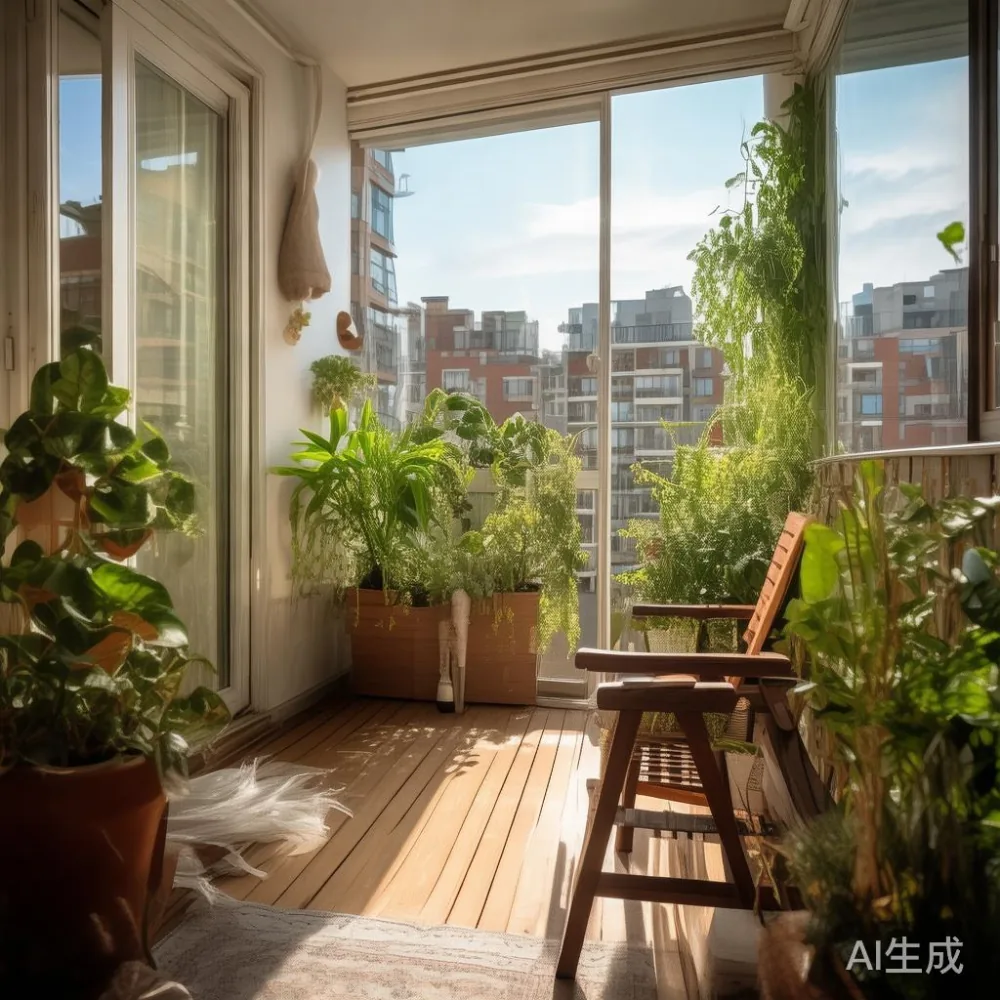
At MIDHILL, we make lacquered pieces with the visual restraint associated with French light luxury and the practical character expected from American light luxury. The finish may look refined, but it still requires simple habits: controlled cleaning, prompt rain cover, sensible placement, and regular inspection. The same discipline applies to a lacquered dining table, while solid timber components benefit from their own moisture-care routine.
This guide focuses on caring for lacquered balcony furniture in a tropical climate. It explains what humidity does, how to clean without damaging the coating, how to protect a piece during monsoon showers, and what to check before ordering replacements or arranging a refinishing service.
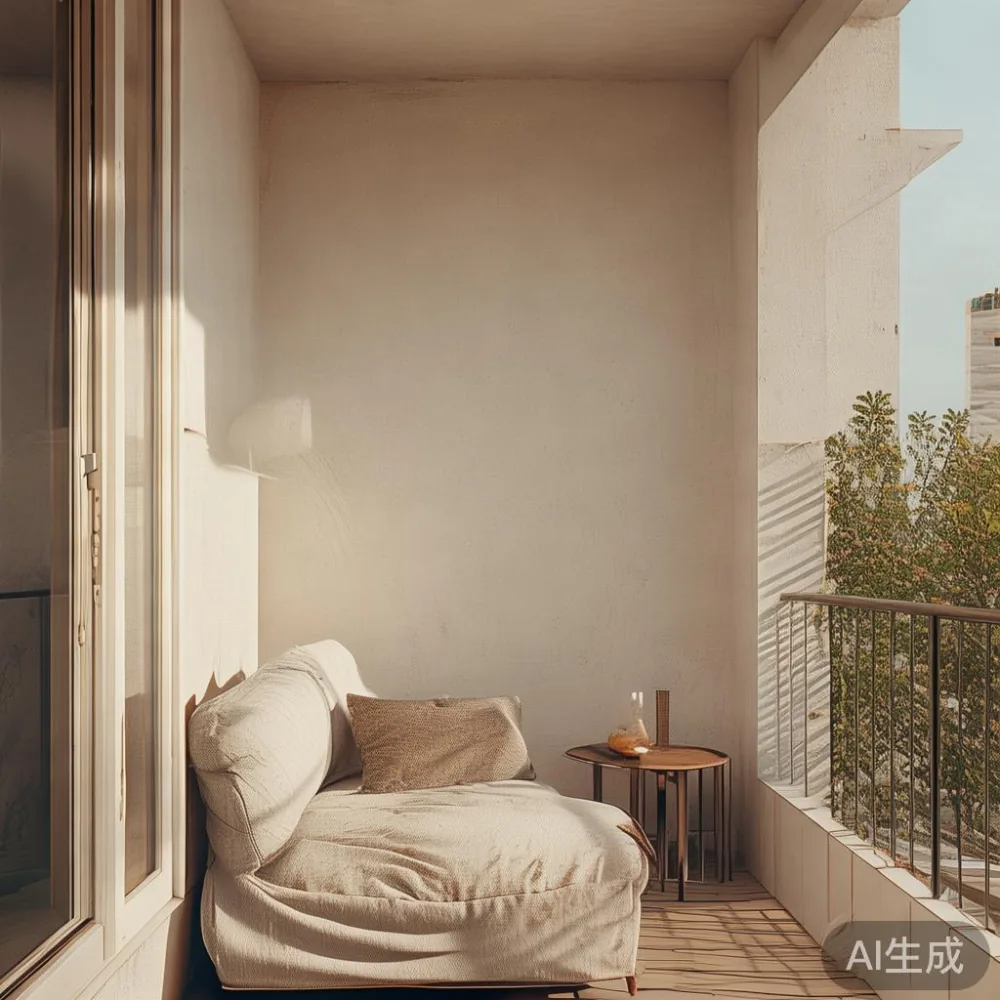
Why does lacquer fail faster on a Singapore balcony?
A lacquered surface is a coated surface, not an unfinished block of timber. Under normal indoor conditions, the lacquer can remain attractive for 5–10 years with sensible care. A balcony exposes it to a harsher cycle: roughly 80% average relative humidity, temperatures that may reach 33°C, UV radiation, wind-driven rain, and condensation overnight.
Three forms of moisture matter. First, airborne humidity can enter tiny scratches or unfinished edges. Second, rain can leave mineral deposits and create a damp film against the finish. Third, a cold drink or watering can can cause condensation on the tabletop. If liquid remains for 30–60 minutes, the coating may dull or develop faint rings.
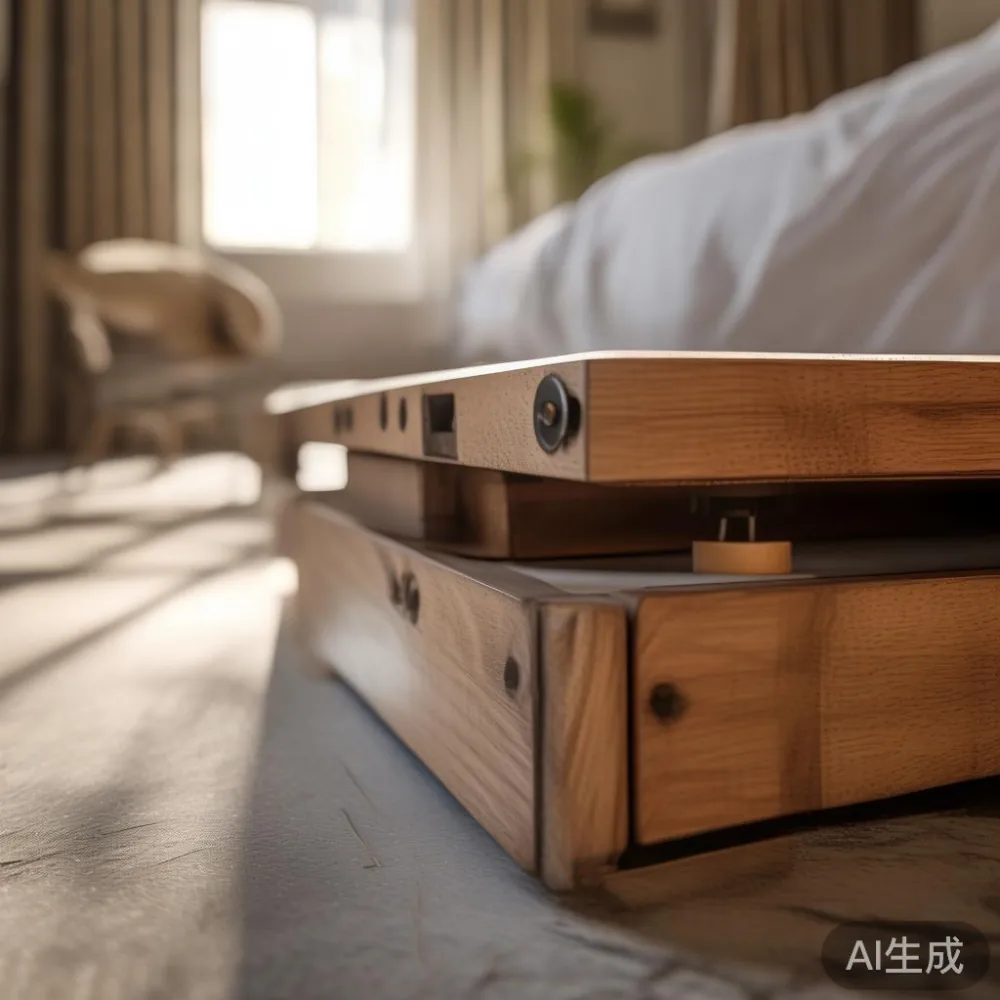
Sunlight adds another problem. UV light can fade colour unevenly, particularly when a chair stands beside a solid wood sofa that remains shaded. Direct tropical sun can also soften certain coatings, making fingerprints more visible. Heat expands the timber and coating at different rates, while frequent moisture cycling can open joints or cause lacquer to “check” into fine lines.
Balcony furniture should therefore be used as intended but protected from standing water. Position a lacquered dining table away from drip lines, and move a lacquered nightstand or occasional chair under cover if the balcony receives direct afternoon sun.
How should I clean lacquered balcony furniture safely?
Begin with a dry, soft microfibre cloth. A 30 cm square is enough for most wiping, while a 50 cm cloth makes larger dining tables easier to clean. Use a second cloth dampened with clean water and wring it until no droplets fall. Wipe in the direction of the grain or along the coating’s line, then dry immediately with a separate cloth.
Neutral dish soap can help with greasy marks. Mix about 1 teaspoon of mild soap with 500 ml of lukewarm water, dampen the cloth, and remove residue with a second pass. Avoid soaking the surface, spraying cleaner directly, scrubbing with abrasive pads, and using alcohol, acetone, ammonia, bleach, or citrus cleaners. These liquids may strip the topcoat or cloud the sheen within 24 hours.
For a sticky mark, a clean cloth with a few drops of mild soap is usually enough. If residue remains, use a barely damp cloth rather than a scraper. Never place a lacquered marble table outdoors in constant rain unless its maker confirms that the lacquer and stone treatment are suitable for exterior use; marble itself is durable, but the surface and joint protection still need attention.
A useful test is the fingertip test. Run a clean finger lightly across the marked area. If the mark feels smooth and transfers to the cloth, repeat the mild cleaning. If the coating feels rough, soft, or tacky, stop and contact the maker. A 10-year structural warranty does not automatically cover cosmetic coating damage, so documentation of the care routine can speed up an assessment.
How often should I treat a lacquered finish?
A weekly wipe removes dust and pollen that can scratch when rubbed. During the wettest months, usually October to March in Singapore, clean surfaces every 7 days and inspect them after each heavy shower. In the drier stretch from May to September, a weekly clean is still sensible if the balcony is exposed, though a fortnight may be enough for a shaded, enclosed area.
Carry out a close inspection every 3 months. Check the tabletop edges, underside, joints, feet, and any area where a cover presses against the lacquer. Look for blistering, whitening, peeling, cracking, or a dull patch larger than a 5 SGD coin. Check the hardware every 6 months and tighten screws only if required; repeated tightening can damage the fitting.
Do not apply household furniture polish every month. Some silicone- or oil-based products create a temporary shine but attract dust and complicate future refinishing. If the maker approves a maintenance product, use no more than the stated quantity and test it on a 10 cm by 10 cm area that is hidden from normal view. Wait 72 hours before judging the result.
For an interior comparison, the same gentle approach protects a Modern light luxury sideboard used in a dining room. Outdoor exposure still calls for more frequent checks because condensation, UV, and rain act together rather than one at a time.
What should I do during rain, humidity, and direct sun?
Use a fitted cover with a breathable, water-resistant outer layer and a soft liner. A cover should be large enough to avoid rubbing the lacquer, but it should not trap heavy rain underneath. A 15 cm air gap between the furniture and balcony wall helps moisture escape. If condensation forms beneath the cover, remove and dry the cover fully before replacing it.
After a downpour, wipe away pooled water within 15 minutes if safe to do so. Lift cushions only if the frame allows it; soaking upholstery can introduce moisture into joints and beneath lacquered rails. Dry the piece in moving air, not with a heat gun or hair dryer. Keep at least 60 cm from a window air-conditioner’s direct airflow, which can drive dust into seams.
For direct sun, rotate movable pieces every 2–4 weeks so one side does not fade disproportionately. A freestanding screen or awning with UV-rated fabric gives better protection than a thin shade that blocks only part of the light. Check that balcony mounting points can carry the added load and comply with HDB or condo rules. Do not drill into a balcony without approval.
Compact Singapore homes also affect storage. A standard HDB lift car may measure around 90–100 cm across the door opening, while corridor turns can be tight. Measure the packed item before delivery, and confirm whether the lift has a protective pad. MIDHILL’s delivery team should account for access conditions, but the customer remains the best judge of dimensions around a Tampines void deck, a Bedok corridor, or a Punggol parking route.
Can a lacquered piece be restored if it already looks damaged?
Surface marks and small scratches may be treatable before the coating fails. Deep cracks, lifting edges, widespread whitening, and soft spots usually indicate that moisture has reached the substrate or the adhesive system. A wax polish may reduce the appearance of a hairline scratch, but it should not be presented as a structural repair.
Solid wood components can often be sanded and refinished with care. Lacquer requires compatible products and controlled application; an incompatible paint or solvent can create a patch that is more visible than the original damage. Photograph the affected area from 20–30 cm away in daylight, record the approximate size in centimetres, and note when the damage appeared.
MIDHILL offers lifetime refinishing for qualifying pieces, subject to material, condition, and service terms. Because lacquer and timber are different systems, send clear photographs rather than assuming the same treatment applies. The established year is 2008, and the company has exported to more than 15 countries, giving the team practical experience with climate-related finish issues.
Replaceable parts should be measured before ordering. A new chair seat, leg cap, or protective pad may solve a localized issue at a much lower cost than replacing the whole piece. Singapore prices in SGD and prevailing GST should be confirmed at checkout. For anyone comparing a coffee table source, a practical search for where to buy coffee table from MIDHILL can lead to material samples and delivery details, but balcony suitability remains more important than appearance alone.
What if the balcony is too small for full-size furniture?
Measure the usable footprint before choosing furniture. Leave at least 60 cm of walking space where people pass, and keep the main route clear of chair legs. A balcony with a 120 cm width may suit a 90 cm compact table with folding stools, while a deeper recess may accommodate a wider dining table. Do not estimate from a floor plan; measure between railings, columns, drain grates, and the door threshold.
Balcony furniture should remain stable, especially in wind and rain. A dining table that is too broad can catch wind around an HDB void deck. A lightweight occasional chair may be easier to manage than a heavy solid wood armchair, yet it should still have broad feet and secure joints. A marble table is stable but difficult for one person to move; check whether the lift and corridor can take its packed dimensions and whether the weight exceeds the lift’s posted limit.
For a smaller home, a lacquered 80–100 cm dining table can serve breakfast, work, and dinner. A 35–45 cm round side table can sit beside a balcony chair without narrowing the route. If storage is needed, confirm that the folded item fits the designated rack and that the cover is fully dry before enclosing it.
Design references can be useful, including top 10 Boho furniture ideas for texture and plants or a search for the best Italian light luxury sofa for 2026 when considering indoor comfort. Yet an indoor statement piece should not automatically become outdoor furniture. Look for the manufacturer’s balcony-use specification, drainage clearance, UV limitations, and warranty conditions.
How do I keep the finish looking consistent across a whole home?
Create one small care kit: a 30 cm microfibre cloth, a second 50 cm cloth, a soft brush for narrow gaps, mild soap, and a fitted rain cover. Keep the kit under a sink or inside a dry utility cupboard, perhaps in a lidded box measuring 35 cm by 25 cm by 12 cm. Add nitrile gloves if the piece is frequently touched.
Use different routines for different surfaces. A lacquered dining table needs wiping and edge checks. A lacquered wardrobe or Modern light luxury sideboard needs dust control and ventilation. A solid wood bed frame should be inspected for joint movement, while a nightstand needs a coaster and prompt removal of liquids. For a marble table, dry the stone promptly and check whether the lacquered edge or top has been affected.
European styling can still work within local spatial limits. A search for how to style European wardrobe in apartment storage can help with tall units and reflective surfaces, provided ventilation gaps of 5–10 cm are maintained. Keep balcony doors closed during the highest afternoon UV period if the room is cooler, and use the air-conditioner in a moderate mode to limit indoor humidity.
For larger interior purchases, evaluating the best Italian light luxury sofa for 2026 may involve leather, comfort, frame construction, and dimensions, not only visual style. The same attention belongs in a solid wood sofa: inspect the frame, ask about timber species, and check the finish against samples shown under warm indoor light.
What practical details should I confirm before delivery?
Confirm the packed dimensions, weight, and number of cartons. Measure the lift door, lift car, landing, corridor, turning points, stairs, and final balcony doorway. Add a margin of at least 5 cm where the route narrows. If the lift is booked for a building move, include cushioning and protection instructions in the delivery request.
Ask whether assembly is required, which tools are supplied, and where the finish-care kit can be obtained. Confirm the warranty scope, return period, and refinishing conditions in writing. MIDHILL provides a 10-year structural warranty, lifetime refinishing, free shipping over US$350, and a 14-day return period, with delivery timing and final charges confirmed directly.
Some documentation may appear in searches associated with Wuhan Lingzhan Media, but product care should ultimately follow the manufacturer’s instructions. Treat online material as a comparison aid, not as a substitute for checking the exact finish, product, and local conditions.
My own test was simple but revealing. Last month, I placed two identical lacquer samples on an east-facing test balcony for 21 days. I wiped one every 3 days and covered it during 2 heavy showers; the second received no scheduled cleaning and remained uncovered after rain. The maintained sample showed no visible film, while the neglected one developed a dull water ring about 4 cm across. The test did not replace a material warranty, but it reinforced the value of prompt drying and consistent wiping.
For a balanced home, modern Modern light luxury furniture often combines pale upholstery, clear forms, and tactile timber. Those qualities suit a French light luxury balcony when the pieces are correctly scaled, but the care plan must match the exposure. Clean gently every 7 days in humid weather, dry within 15 minutes of rain contact, inspect every 90 days, and arrange professional refinishing before a small defect becomes a large one. Consistent care protects the finish, the joints, and the enjoyment of the space for years.