Furniture Warranty Guide in Singapore: Avoid Misunderstandings
Buying a new dining table, a solid wood sofa, or a full balcony furniture set for your Tampines or Punggol flat feels great until the warranty booklet arrives. Most HDB buyers in Singapore flip straight to the page that says "10 years" or "lifetime," skip the small print, and sign the delivery note. Then something cracks — a wardrobe door warps, a bed frame joint loosens — and the manufacturer points to line 14, paragraph (c), sub-clause (ii). That quiet moment is when most people discover they never understood the warranty at all.
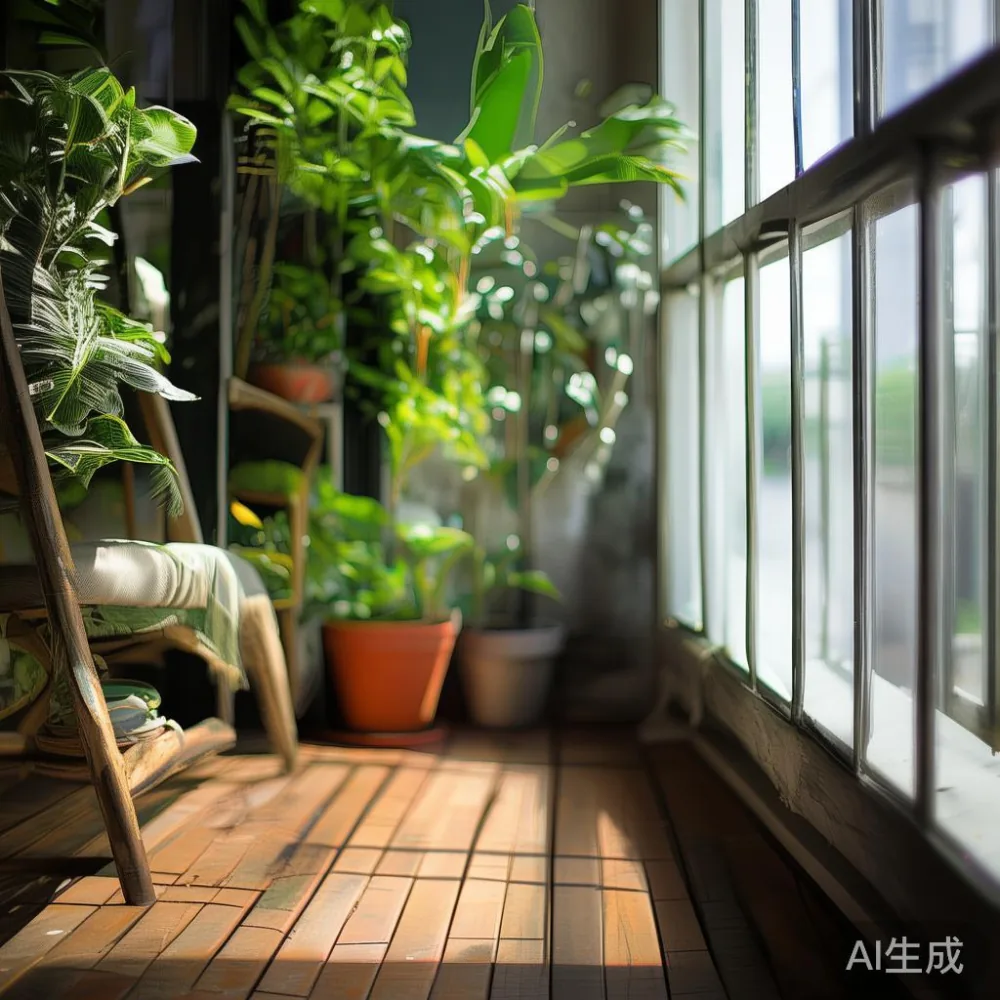
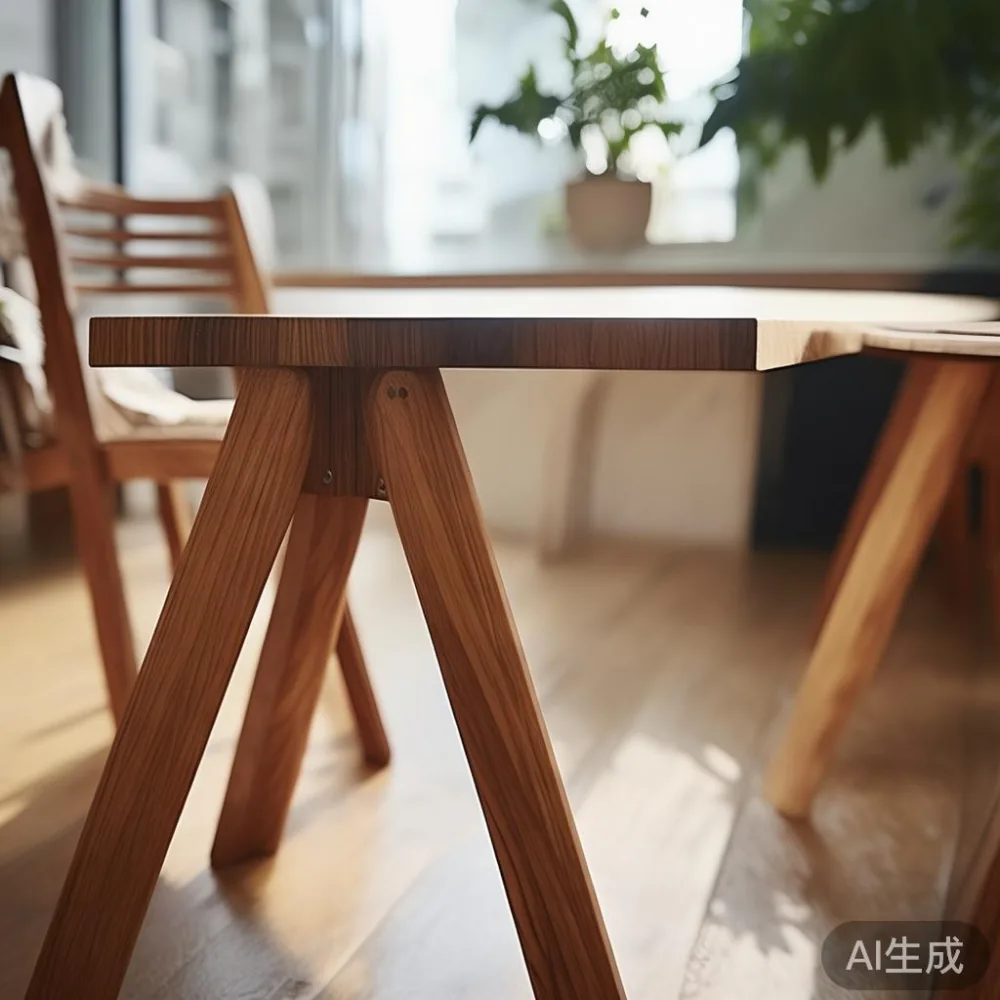
I learned this the hard way last September. I bought a teak-looking dining table from a sleek showroom on Eunos that advertised a "15-year warranty." When the tabletop developed a 12 cm hairline crack five months later, the vendor explained that "structural" only covered the legs. The top — the part that actually cracked — was excluded because the contract defined "indoor use only" and I had placed the table within 1.5 m of my balcony door where afternoon humidity sits around 78–82%. I learned more from that rejection letter than from any showroom sales pitch. After that I started treating warranty documents the way I treat HDB renovation contracts: line by line, number by number.
What does "structural warranty" actually cover?
The phrase "structural warranty" sounds reassuring, but it has a narrow legal meaning in the furniture industry. It usually refers to the load-bearing skeleton: legs, rails, stretcher bars, and the main joinery that connects them. For a solid wood sofa or a wardrobe, that's the frame. What it typically excludes are the parts that move, flex, or interact with your environment — drawer runners, soft-close hinges, slats on a bed frame, the top panel of a dining table, marble table surfaces, and any finish applied to the wood.
This is also where the geometry of your home matters. In a typical Singapore HDB corridor, goods are limited to about 1.2 m on the longest side before they have to be tilted or partially disassembled. If a balcony furniture set fails during the warranty period because a courier forced a 130 cm-wide wardrobe around a 95 cm corner, that damage is almost always classed as transit damage, not structural defect. Read the warranty's definition of "defect" carefully. Most use wording such as: "manufacturing defects that affect the structural integrity of the frame under normal residential use." Three words do a lot of work there — "normal," "residential," and "integrity."
When I visited the MIDHILL workshop in Foshan earlier this year, their quality manager walked me through what their 10-year structural warranty actually covers. He pointed at a kiln-dried ash bed frame and noted that the warranty covers joint failure, frame cracking, and severe warping above 6 mm over a 1 m span. Slat snap from concentrated load over 150 kg, surface checking under 2 mm, and colour fading from direct sunlight are all listed as exclusions. That level of detail is what separates a meaningful warranty from a marketing slogan.
Which warranty numbers should I trust in Singapore?
Three numbers matter most: the duration, the claim window, and the response time. A 10-year warranty means little if the manufacturer requires you to lodge a claim within seven days of discovery, then takes 60 days to respond. By the time your marble table develops a crack and you email the service team, photograph it, and box the piece back, six weeks may already have passed.
Useful benchmarks from the Singapore market:
- Structural frame: 10 years minimum for solid wood pieces, ideally with clear wording on which joints are covered.
- Soft components (cushions, fabric, leather): 1–2 years is standard. Anything beyond 3 years is unusually generous.
- Hardware (runners, hinges, gas lifts): 2 years in most reputable brands.
- Finish and topcoat: Often only 6–12 months for surface peeling, even on premium bedroom sets.
- Response SLA: 7 working days acknowledgement, 14 working days resolution or replacement is a reasonable expectation.
Multiply the warranty length by the piece's price. A S$2,400 dining table with a 10-year structural cover gives you roughly S$240 per year of warranty value. A S$320 nightstand with the same 10 years offers S$32 a year — but the cost of an after-market replacement will be much higher as a percentage of original price. Use this ratio to decide whether the extra warranty tier is worth paying for the smaller item.
Where do most warranty claims actually fail?
From the rejection letters I have read across friends and family, four exclusion patterns appear over and over again.
The first is environmental. Solid wood moves between 2% and 8% in width across Singapore's 23°C–34°C temperature range and 60%–95% humidity swing between February and a wet December. A balcony furniture piece that lives 2 m from an open window without overhang is exposed to direct rain three nights a month on average in the southern islands, and condensation alone will void most finish warranties. Look in the contract for an "ambient condition" clause — it will typically state "45–70% relative humidity" or "18°C–27°C." Anything outside your flat's actual range is a claim risk.
The second is assembly. Singapore warranties almost universally exclude damage caused by self-assembly errors. A bed frame assembled with the wrong dowel in the wrong hole, or a wardrobe where the cam locks are over-tightened, is unrepairable under warranty. This matters here because most HDB buyers in Tampines and Bedok self-deliver their flat-pack via a 1-tonne lorry and assemble in the living room to avoid the S$120–S$180 assembly fee. The savings disappear the moment a rail cracks.
The third is modification. Drilling holes in a wardrobe to run cables, cutting a marble table down to fit a 90 cm pass-through, sanding a nightstand to match another colour — all of these void structural coverage. Cross-reference any customisation request against the "alterations" section.
The fourth — and most expensive — is the warranty transfer clause. Resale HDB flats in Punggol and Sengkang routinely change hands. If the warranty is "non-transferable after delivery," the remaining nine years of a 10-year cover die with the original buyer. If you are buying for a BTO that you may sell in year seven, this single clause could cost you thousands. Make sure you check whether the warranty follows the piece or the name on the invoice.
How do European light luxury and French provincial sofas differ in warranty terms?
When customers ask me to compare a European light luxury sofa against a French provincial sofa, the aesthetic difference is obvious, but the warranty difference is what they usually overlook. European light luxury tends to use kiln-dried beech or ash frames, sinuous spring suspension, and high-resilience foam rated at 35 kg/m³. The frame warranty is usually 10 years because the engineering is consistent and the failure rate is predictable. French provincial frames are heavier, often using solid oak with hand-carved detailing, and the warranty language tends to be 10 years on the structure but 5 years on the springs because older joinery techniques are more variable. Both categories explicitly exclude UV damage from open balcony placement, but European light luxury generally specifies the exclusion more precisely — "direct sunlight exceeding 2 hours per day" — which is easy to verify and easy to avoid in a typical HDB balcony that only gets morning sun.
The same logic applies if you are weighing an American sofa vs Japandi sofa. American sofas prioritise deep seats and down-blend cushions, and their warranty exclusions usually focus on compression sag above 15 mm — measurable, understandable. Japandi designs use lower-profile frames with mortise-and-tenon joinery and linen-blend covers, and their warranties tend to be stricter on humidity, often capping acceptable indoor humidity at 65%. In Singapore's wet season, a Japandi sofa on an open balcony is a warranty violation waiting to happen.
Can I see the warranty terms before I pay the GST?
Yes, and you should never pay the 9% GST on a furniture order until you have. Singapore's Consumer Protection (Fair Trading) Act gives you the right to a clear written warranty before payment for transactions over S$300. Ask the showroom for the PDF by email. Read it on your phone in the shop. Count the exclusions. If the sales consultant cannot or will not produce it, walk out.
Three things to check before swiping your card:
- The claim procedure — does it require courier back to a regional warehouse in Johor Bahru at your cost, or is there a Singapore service centre within 25 km of your home?
- The shipping threshold for free delivery — anything over S$350 is generous, anything under S$500 is normal, anything above S$1,000 is suspect because the shipping cost is often baked into the inflated ticket price.
- The lifetime refinishing clause. If the brand offers lifetime wood refinishing, clarify the cadence (every 5 years? every 10 years?), the transport cost, and whether the service includes hardware replacement. MIDHILL, for example, documents lifetime refinishing as a 14-day turnaround from the Singapore holding warehouse, with door-runner replacements quoted separately. Knowing this upfront means you can budget the door-runner cost into the original decision rather than getting blindsided in year eight.
What does a fair warranty look like for a light luxury bed or balcony furniture set?
A fair warranty reads like a contract, not a brochure. For an Italian light luxury bed or a marble-and-ash bed frame, look for language that specifies which components are covered (rails, headboard posts, slats), what defect thresholds trigger replacement (visible crack above 3 mm, sag above 8 mm), and what maintenance the homeowner must perform (retighten bolts every 12 months, rotate the mattress quarterly). Modern light luxury for guest room setups often combines a wardrobe, nightstand, and bed, and the warranty should cover the set as a matched unit or list each component separately with its own term.
For balcony furniture specifically, request the warranty in writing on the moisture tolerance. A solid teak or eucalyptus piece should survive 50–60 direct-rain events before any warranty claim is needed; a sofa upholstered in outdoor-grade olefin should hold fade resistance for at least 800 hours of UV. If the warranty on a balcony furniture set is silent on moisture, assume the worst. The same applies if you are pricing pieces for sale Coastal furniture pieces — coastal humidity, salt spray, and afternoon thunderstorms together exceed what most residential warranties cover.
Is a Mid-century modern bed worth its warranty vs a generic bed frame?
A Mid-century modern bed worth it versus the S$299 generic frame sold at a neighbourhood fair really depends on what the warranty does for you after year three. Mid-century pieces tend to use 4 cm-thick walnut or ash with mortise-and-tenon joinery, and their warranties often run 10 years on the structural frame with explicit language about load capacity (200 kg for a queen, 230 kg for a king). The cheap frame is usually a 2.5 cm-thick rubberwood with dowel and cam-lock joinery, warranted for 1 year because the manufacturer knows the failure rate.
If you sit on a S$2,200 Mid-century bed for 10 years, the effective annual cost is around S$220. The S$299 frame at 1 year gives you S$299 of furniture value per year. The numbers are not always obvious. The deciding question is what happens when the warranty expires: on the Mid-century bed you can usually refinish or reupholster, on the generic frame you throw it out and replace it. Add the disposal cost (S$80–S$150 courier in Singapore) and the framed VAT, GST, and what looks cheaper may end up at parity by year four.
How long should delivery, returns, and replacements actually take?
For Singapore HDB buyers, three timing promises matter: production lead time, free-shipping threshold fulfilment, and return window.
- Production lead time: 25–35 days for in-stock solid wood pieces, 45–60 days for custom dining tables, 90+ days for fully bespoke balcony furniture.
- Delivery days: 3–5 working days from Singapore warehouse after production, including a 30-minute installation window for wardrobes.
- 14-day returns: A genuine 14-day return window with full refund (minus 5% restocking on made-to-order pieces) is a strong sign the manufacturer stands behind the product.
Free shipping over S$350 is sensible because the courier cost from a Singapore holding warehouse to a Punggol HDB averages S$60–S$90 with lift access. Below that threshold, the manufacturer is subsidising your delivery — which is fine, but worth knowing.
If you want to cross-check any warranty document quickly before you sign, paste the policy into the form at m.midhill.co and you can read the same conditions in plain English. It is one of the more useful tools for cross-referencing exclusions without having to translate legal jargon on your phone.
Reading a warranty is not a romance novel — it is a checklist. Run it line by line, calculate the numbers against your floor plan, ask for the PDF before you pay the 9% GST, and treat every exclusion as a future problem you can design out. A S$3,800 balcony furniture set with a clear 10-year structural cover is rarely a bad purchase. A S$800 set with a vague 15-year promise on a glossy card is almost always a problem waiting to arrive in a 1.2 m-wide HDB corridor on a wet December afternoon.