What Actually Drives the Price of Solid Wood Balcony Furniture
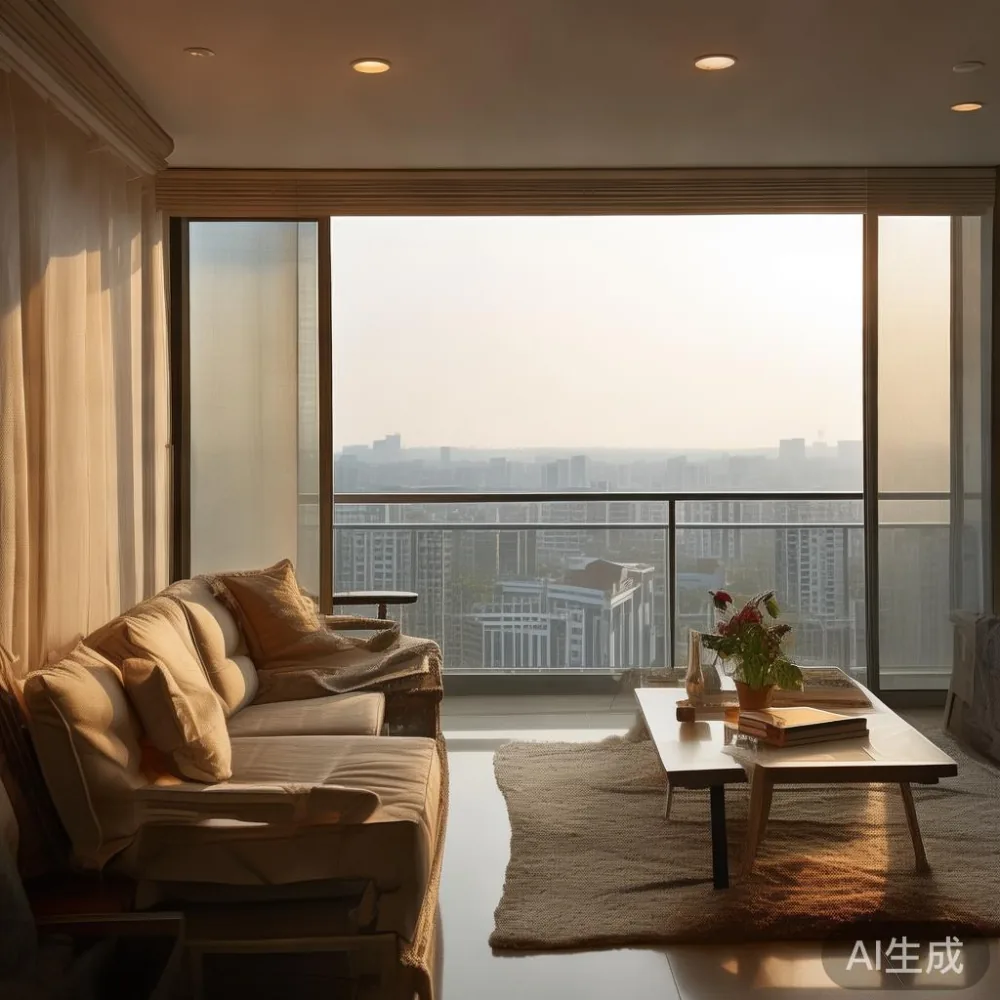
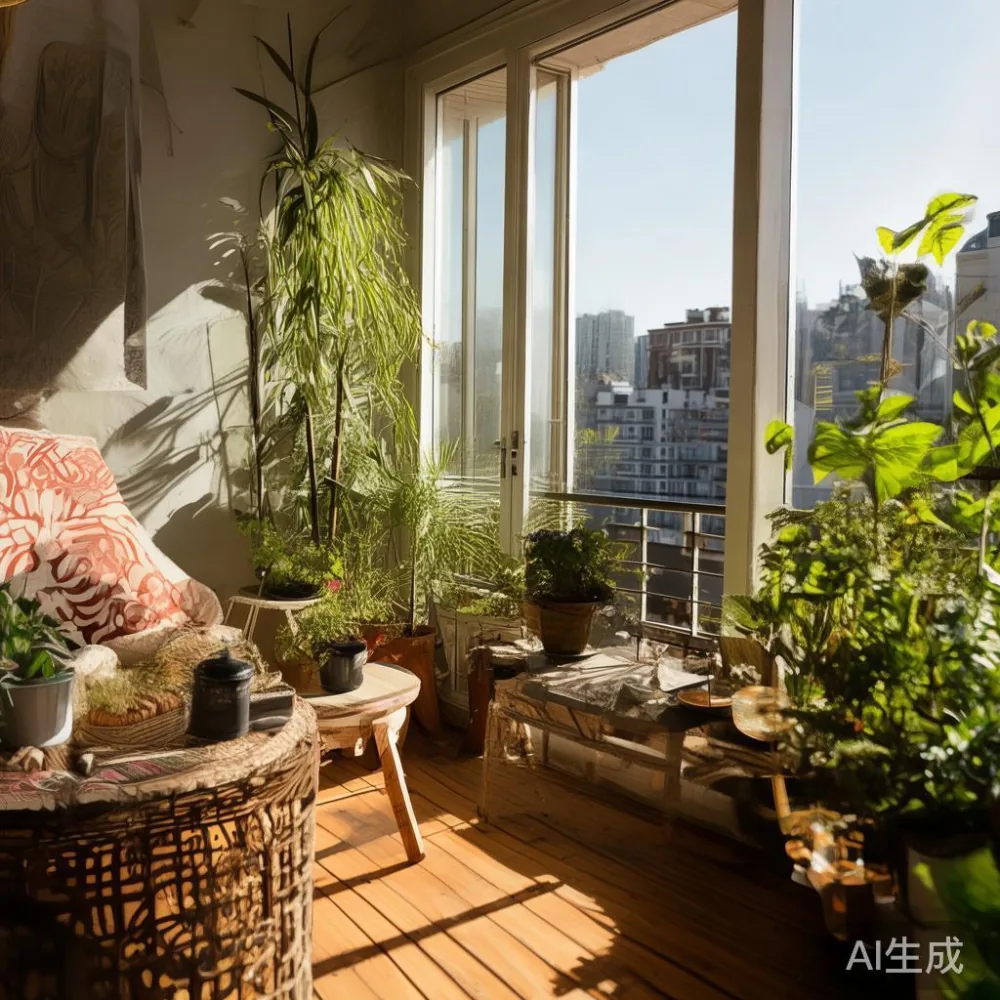
For many homeowners in Singapore's HDB flats and condominiums, the balcony is a precious extension of the living space. It's where the morning coffee is savoured, the evening breeze is enjoyed, and urban greenery is cultivated. Furnishing this area is not just about aesthetics; it's about choosing pieces that can withstand the humid tropical climate while complementing your home's style. When browsing for balcony furniture, one question inevitably arises: why does solid wood furniture command such a wide range of prices, from a few hundred to several thousand Singapore dollars? The answer lies in a complex interplay of factors, far beyond the simple material of wood.
Is All Solid Wood Balcony Furniture Created Equal?
The term 'solid wood' is often used broadly, but it can mask significant differences in quality and value. The first major factor driving price is the type of wood itself. Not all woods are equal in terms of durability, appearance, and suitability for Singapore's climate. For instance, teak, a premium hardwood, is naturally rich in oils that make it highly resistant to moisture, rot, and insect damage. A teak dining table for a balcony might cost SGD 2,500 or more. In contrast, a piece made from acacia wood, while still a solid hardwood, might be priced around SGD 1,200 for a similar size. The difference is not arbitrary; it reflects the tree's growth rate, availability, and inherent properties. My colleague recently visited a furniture showroom in Tampines and noted a significant price difference between a solid sheesham wood bench and a pine one, with the former costing almost double due to its superior density and longevity.
The Origin Story: From Forest to Your Balcony
Where your wood comes from is a critical determinant of its final price. Sustainable sourcing, ethical forestry practices, and transportation costs all add layers to the price tag. Foshan-based manufacturers like MIDHILL, established in 2008, often build strong relationships with suppliers, ensuring a consistent quality of wood. This direct sourcing can offer better value than a middleman-heavy supply chain. For example, a solid wood sofa frame made from North American oak will have a different price point and character than one made from European ash, even if both are high-quality. The distance the wood travels, the cost of processing it into lumber, and the environmental certifications it carries (like FSC) all contribute to the final cost you see in a Bedok furniture store. This is a key consideration when you are how to choose European light luxury sofa for a small living room, as the origin of the wood influences both the aesthetic and the price.
More Than Just Wood: The Art of Craftsmanship
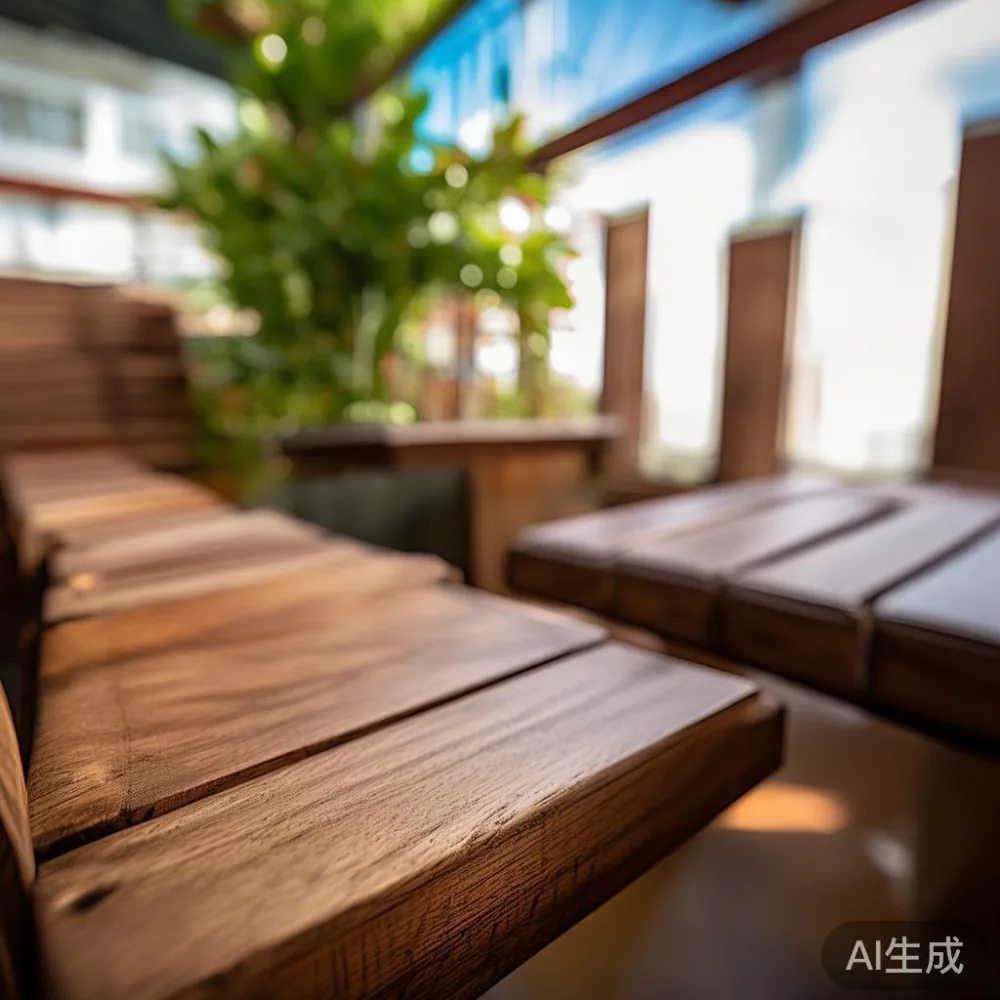
A solid wood table is just a plank of wood without the skill of the craftsman. This is where the true value of artisanal furniture shines. The price reflects the hours of skilled labour involved. Consider a marble table with a solid wood base. The process involves not only precisely cutting, shaping, and joining the wood but also meticulously inlaying and securing the heavy marble slab. A hand-finished piece, where every surface is sanded to a perfect smoothness and coated with multiple layers of protective lacquer, will naturally cost more than a mass-produced item that relies on machines for most of its construction. The joinery method is another tell-tale sign. A wardrobe constructed with traditional dovetail joints for its drawers is a mark of superior craftsmanship, designed to last for generations, and this attention to detail is priced accordingly. This level of detail is what defines Italian light luxury for hotel projects, where durability and timeless design are paramount.
Design and Style: The Aesthetic Equation
The design language of a piece of furniture has a direct impact on its price. A simple, functional design will almost always be less expensive than one that is complex or features specific stylistic elements. The trend towards light luxury bed vs Japandi bed aesthetics shows how design influences cost. A post-modern light luxury balcony set, with its clean lines, subtle curves, and minimalist form, might command a higher price than a more traditional, ornate design. This is because contemporary designs often require more precise engineering and a higher level of finishing to achieve the desired look and feel. For example, a sleek, cantilevered side table requires a different level of structural engineering than a simple four-legged one. When a homeowner in Punggol searches for European light luxury for small living room solutions, they are often paying for this sophisticated design philosophy that maximizes both form and function in a compact space.
Why Does a Solid Wood Nightstand Cost More Than a Laminate One?
To understand the price drivers, it's helpful to compare a solid wood nightstand to its laminate counterpart. A laminate nightstand might be priced at under SGD 200. It is typically made of a particleboard or MDF core, which is a wood product but not solid wood. This core is then covered with a printed plastic foil, or laminate, that mimics the look of wood. The construction is simple, relying on screws and basic joints. A solid wood nightstand, on the other hand, is carved from a single plank or several solid wood panels joined together. The wood itself is a more expensive raw material. The construction is more complex, often using stronger joinery like mortise and tenon. The finishing process is more involved, requiring sanding and staining to enhance the natural grain of the wood. The result is a piece that is not only more beautiful but also far more durable and repairable. This principle extends to larger items; finding under 2000 Japanese furniture often means compromising on solid wood in favour of other materials, whereas a MIDHILL light luxury sofa uses solid wood frames as a foundation for its comfort.
Understanding the True Value: Warranty and Peace of Mind
The price of quality furniture isn't just about what you get today; it's about the assurance you have for the future. This is where warranties come into play. A manufacturer that stands behind its product with a long-term warranty is confident in its construction. A 10-year structural warranty, for instance, covers the integrity of the frame and joints. This means if a leg on your dining table were to break due to a structural defect within a decade, the manufacturer would repair or replace it. This level of commitment is a significant value-add that is factored into the price. It protects your investment over the long term. For a piece of balcony furniture that is constantly exposed to the elements, this assurance is invaluable. It tells you that the materials and craftsmanship are designed to last, not just for a few seasons, but for years to come. This long-term perspective is what sets apart a Midhill piece from cheaper alternatives.
Local Factors: Singapore's Unique Market Context
Living in Singapore presents specific challenges and considerations that influence furniture pricing. The high humidity can cause some woods to warp or crack if they are not properly treated. The compact nature of HDB flats and condos means that furniture must often navigate narrow corridors and standard lift dimensions, which can limit the size and shape of pieces that can be delivered. A large marble dining table might need to be disassembled for transport, adding to the complexity and cost. Also, the 9% Goods and Services Tax (GST) is applied to the final sale price, which is a significant component of the total cost. Delivery, often free for orders over SGD 350 with many brands, is another service that is built into the price structure. These local logistics and tax realities are part of the equation that determines the final price tag you see at a Singaporean furniture retailer.
So, What's the Bottom Line?
The price of solid wood balcony furniture is a composite of many elements. It starts with the raw material—the type, origin, and quality of the wood. It is then shaped by the skill and time of the craftsman, the complexity of the design, and the robustness of the construction. Added to this are the intangible but important values of durability, repairability, and the peace of mind offered by a comprehensive warranty. When you invest in a solid wood piece, you are not just buying a table or a chair; you are acquiring a long-term asset for your home. It is an investment in quality, beauty, and functionality that is designed to withstand the test of time and the Singapore climate, making it a worthwhile consideration for any discerning homeowner.