What Actually Drives the Price of Solid Wood Balcony Furniture
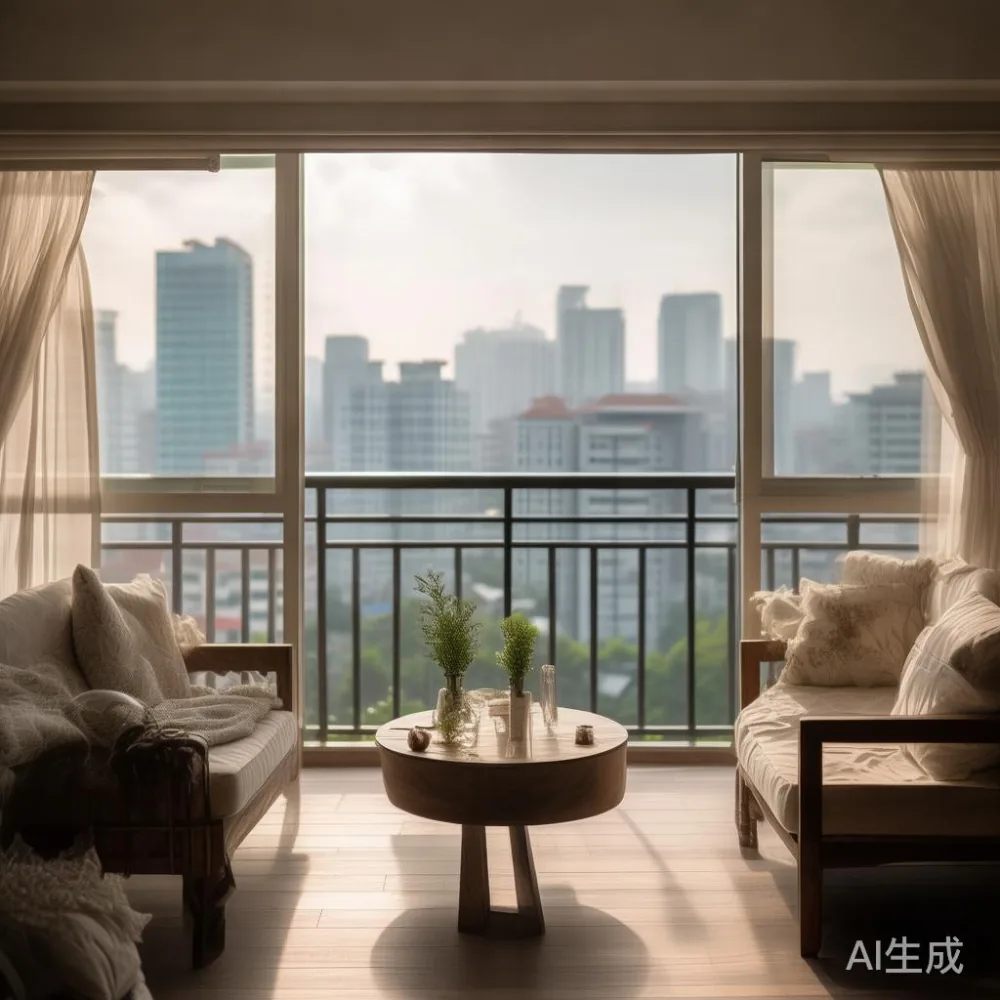
For residents of Singapore's HDB flats and condominiums, the balcony is more than just a practical space. It's an extension of the living room, a personal sanctuary to enjoy the city's skyline, a spot for morning coffee, or a lush green corner for plants. Furnishing this unique area with solid wood furniture presents a beautiful, durable option, but the price tags can vary dramatically. A simple wooden bench might cost SGD 350, while a full set with a table and chairs can easily exceed SGD 3,000. Understanding what you are paying for requires looking beyond the surface.

Why is a Solid Wood Balcony Table So Much More Expensive Than a Laminate One?
The most significant factor in the price of solid wood balcony furniture is the material itself. Unlike engineered wood or laminate, which is a paper-based product pressed onto a substrate, solid wood is, as the name implies, a single, solid piece of timber. This difference in origin dictates everything else.
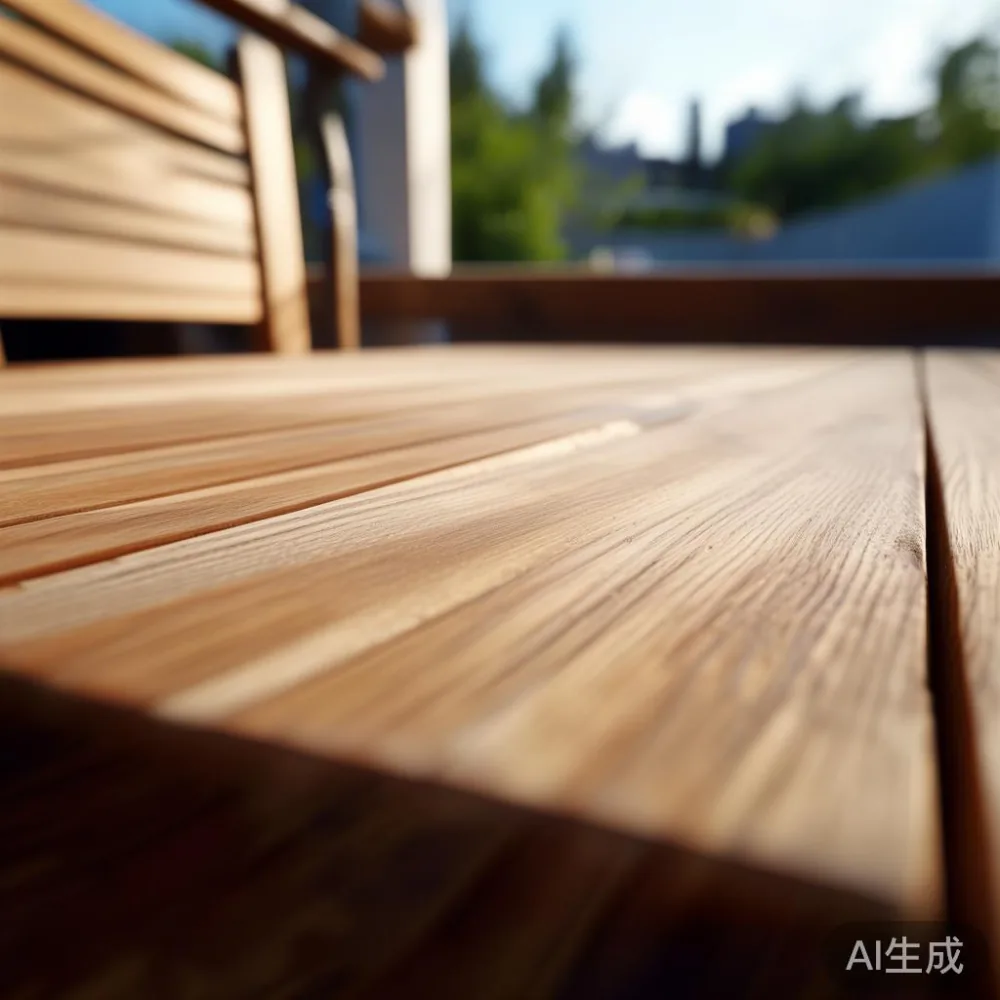
Solid wood is a natural product. It comes from trees, and each piece of timber has a unique grain pattern, colour variations, and natural characteristics like knots or mineral streaks. This individuality is a hallmark of quality but also a reason for its cost. A manufacturer cannot simply press a button to create a solid wood table top. They must start with a large, high-quality board of timber, often measuring 180cm x 75cm x 5cm for a standard dining table. The selection of this board is critical. It must be straight, stable, and free from major defects that would compromise its structural integrity. This raw material cost for a single, premium piece of oak or teak can be several hundred dollars before any work has even begun.
In contrast, a laminate table top is in effect a photograph of wood grain glued onto a cheap wood chipboard base. The material cost is a fraction of solid wood, and the manufacturing process is highly automated, allowing for mass production at low cost. For a Singaporean homeowner in a condo like Tampines or Bedok, the choice between solid wood and laminate often comes down to longevity and aesthetics. Solid wood, when properly maintained, can last for decades, even a lifetime. It can be sanded down and refinished, looking as good as new. A laminate top, however, is prone to chipping, peeling, and cannot be repaired. It offers a functional solution for a few years, but it does not offer the same enduring value.
How Craftsmanship and Joinery Determine the Longevity of Your Furniture
Once the raw timber is selected, the true artistry of furniture making begins. The way the wood is joined together is perhaps the most important determinant of a piece's price, durability, and quality. Cheap furniture relies on staples, nails, and cheap glue joints. High-quality solid wood furniture uses traditional joinery techniques that have been perfected over centuries.
Consider a solid wood dining table. A lower-priced model might have legs simply screwed into a pre-made tabletop. This creates a weak point where stress concentrates, and the table will wobble over time. A superior table, however, will use methods like mortise and tenon joints. This involves a square hole (mortise) cut into the table apron and a corresponding square tongue (tenon) on the end of the leg. The tenon fits into the mortise and is secured with a wooden dowel or a high-quality adhesive. This creates an incredibly strong, interlocking connection that can withstand significant weight and movement. For a balcony table that might hold heavy potted plants or be used for family gatherings, this level of construction is non-negotiable.
Last month, I visited a workshop in Foshan that supplies many brands, including some you might find in Singapore. I watched a craftsman hand-cut a dovetail joint for a drawer on a European light luxury wardrobe. The precision was mesmerizing. Each cut was made by hand with a chisel and mallet. The resulting joint, where the fingers of the wood interlock, is not only incredibly strong but also beautiful. This level of skill takes years to master and is reflected in the final price. Mass-produced furniture uses machine-cut dovetails or simpler butt joints, which are faster and cheaper but lack the same strength and character. The difference in labour cost between a skilled artisan and an assembly line worker is a major component of the price difference between a SGD 800 wardrobe and a SGD 3,500 one.
What's the Difference Between a SGD 500 and a SGD 2,000 Solid Wood Sofa?
For seating, the price gap can seem even more bewildering. At first glance, two wooden sofas might look similar, but a closer inspection reveals the differences. A lower-priced sofa will often feature a frame made of rubberwood or a cheaper softwood, which is more prone to warping and cracking. The frame might be joined with staples and corner blocks, not the solid mortise and tenon joints found in more expensive pieces.
The upholstery and padding are another area of divergence. A budget sofa will use bonded leather or a low-quality fabric over a foam padding that will compress and lose its shape within a year or two. The springs, if present, are often simple zig-zag springs that offer minimal support. In contrast, a high-end sofa, like the best French sofa for 2026, will feature a solid hardwood frame, often kiln-dried to prevent future movement. It will use high-density, high-resilience foam that maintains its form for years, and may even incorporate a system of eight-way hand-tied coils for superior comfort and longevity.
The finish is the final piece of the puzzle. A cheap sofa might have a simple, sprayed-on lacquer or paint. This provides basic protection but can look plastic and will likely scratch easily. A premium piece will be hand-rubbed with multiple coats of oil or wax. This process penetrates the wood grain, enhancing its natural beauty and creating a deep, lustrous finish that is much more durable and resistant to daily wear. The difference in feel and appearance is immediately apparent. One feels like a functional object, while the other feels like a crafted piece of art designed for your living space.
Is Light Luxury Wardrobe Worth It? The Value of Design and Brand
The term 'light luxury' has become popular in furniture design, but it often comes with a significant price premium. So, what are you paying for? Light luxury is not about ostentatuous display of wealth. It's about refined design, superior materials, and a focus on creating a sense of calm and sophistication in a space. It's the difference between a simple wooden box and a thoughtfully designed piece of furniture.
Take the question of is light luxury wardrobe worth it. A standard wardrobe might be a simple box with a door. A light luxury wardrobe, like the European light luxury wardrobe we admire, focuses on every detail. The design might feature clean lines, minimalist handles (or even push-to-open mechanisms), and internal storage solutions that are intelligently laid out. The wood used is often a premium species like American walnut or European oak, chosen for its beautiful grain and stability. The finish is flawless, applied by hand over many days. The hardware, from the hinges to the drawer slides, is imported from brands like Blum or Hettich, ensuring silent, smooth operation for decades. This attention to design and quality components adds to the cost, but it also adds to the value, transforming a simple storage unit into a centrepiece of the bedroom.
For a homeowner in a Punggol condo with a modern, minimalist interior, this design language is important. A bulky, poorly designed wardrobe can disrupt the aesthetic of the entire room. A light luxury piece, on the other hand, complements the space, creating a harmonious and tranquil environment. The brand also plays a role. A brand with a long history, like MIDHILL established in 2008, brings a reputation for quality and reliability. Their 10-year structural warranty is not just a marketing gimmick; it's a promise of confidence in their product's construction. This peace of mind is a value that is factored into the price.
How Logistics, Taxes, and Warranty Affect the Final Price in Singapore
By the time a piece of solid wood furniture arrives at your door in Singapore, its price has been influenced by a complex chain of logistics and local regulations. Furniture is a heavy and bulky item, and shipping it from a factory in Foshan, China, to Singapore incurs significant costs.
First, there is the physical transportation. A 20-foot container can hold approximately 25-30 dining tables or 50-60 nightstands. The cost of shipping this container from Foshan to the Port of Singapore can range from SGD 2,500 to SGD 4,000, depending on fuel prices and demand. This cost is then divided among the items in the container. A large, heavy item like a solid wood bed frame will have a higher shipping allocation than a small nightstand. Once the container arrives in Singapore, the furniture must be transported from the port to a local warehouse or directly to the customer's address. A standard delivery truck in Singapore has specific dimensions to work through HDB corridors and lift widths, which are typically 80cm to 100cm wide. A large wardrobe might require a special vehicle, adding to the delivery cost.
Then there are the taxes. Singapore's Goods and Services Tax (GST) is currently 9%. This is applied to the cost of the furniture plus the shipping and insurance. So, a piece of Foshan furniture with a landed cost of SGD 1,000 will have a GST charge of SGD 90. This is a mandatory cost passed directly to the consumer. Finally, there is the value-added service. A reputable company will offer things like free shipping for orders over SGD 350, a 14-day return policy, and a lifetime refinishing service. These services are not free; their cost is built into the price of the products. The free shipping for orders over a certain threshold is a calculated business decision to encourage larger purchases, while the lifetime refinishing promise is a long-term investment in customer satisfaction and brand loyalty, ensuring that your solid wood balcony furniture can be maintained for its entire lifespan.
Can You Find Quality Under 2000 Coastal Furniture for a Singapore Balcony?
The short answer is yes, but it requires careful consideration and a clear understanding of what compromises might be necessary. The phrase 'under 2000 Coastal furniture' suggests a budget-conscious approach to achieving a certain aesthetic. Coastal design often features light woods, natural textures, and a relaxed, breezy feel. Achieving this look with solid wood on a budget is possible, but one must be realistic about the scope and quality.
p>For a balcony, a good starting point would be a solid wood bench and a small side table. A bench made from acacia or a similar durable hardwood, with a simple, clean design, could be found for under SGD 800. A matching side table might add another SGD 400. This brings the total to SGD 1,200, leaving room for delivery and potentially a small planter. The key is to focus on the core pieces that define the space. You might need to compromise on some elements. For example, the joinery might be good but not the absolute best mortise and tenon, or the finish might be a durable lacquer rather than a hand-rubbed oil. It's about finding a balance.
It is also wise to look for value-added offers. A company offering free shipping over SGD 350 makes these smaller, more affordable purchases much more attractive. The 14-day return policy is also important, as it allows you to inspect the furniture in your own space to ensure it fits the balcony dimensions and your style. A balcony in an older HDB flat might have different width constraints than a new condo development. Ensuring the furniture fits through your lift and around your corridor is a practical consideration that a good return policy helps mitigate. While you might not be able to afford the best Italian light luxury furniture for the entire balcony, you can certainly incorporate elements of solid wood quality to create a beautiful and functional outdoor space without breaking the bank.