Humidity and Balcony Furniture: What Singapore Homeowners Should Know
Singapore’s equatorial climate makes furniture care more than a matter of taste. Outdoor humidity, monsoon rain, warm air and slow-moving air in HDB flats and private condos can all affect solid wood. The practical challenge is especially visible on a balcony, where balcony furniture may face 70–90% relative humidity, condensation and temperature changes within the same day.
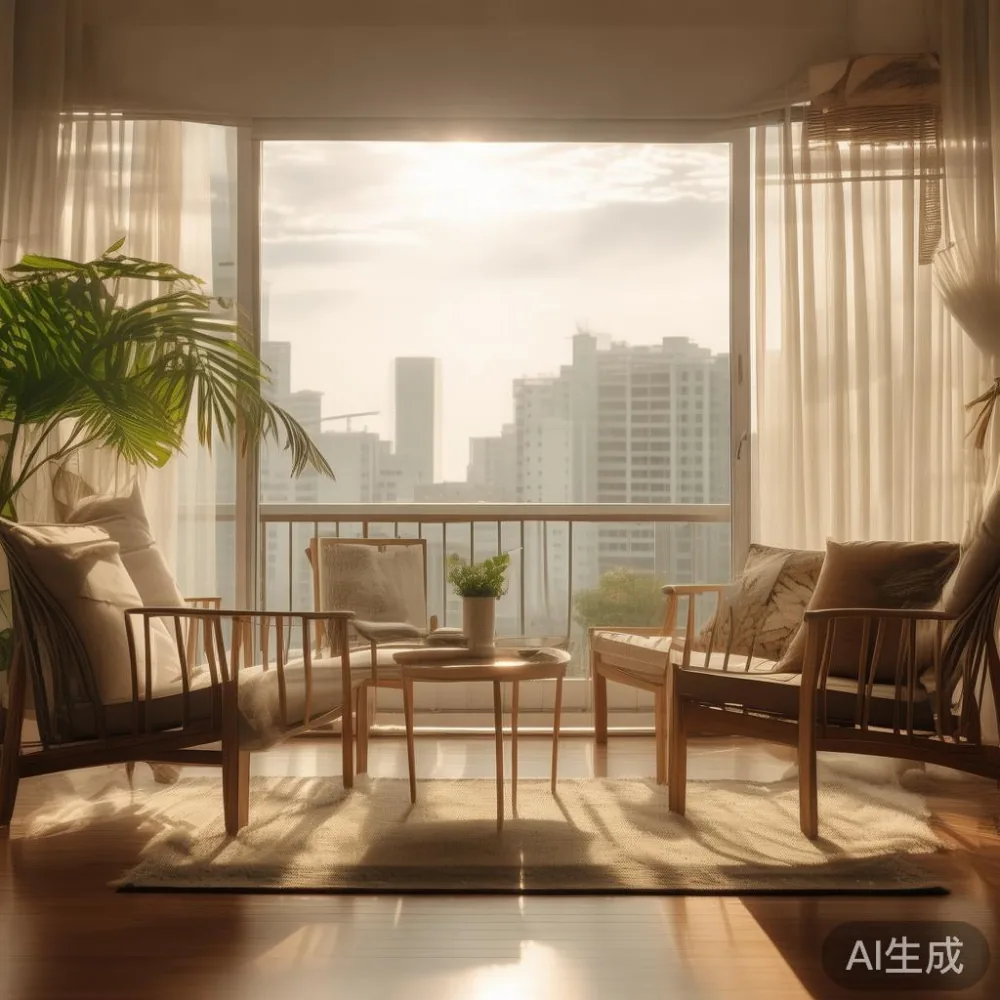
For homeowners in Tampines, Bedok and Punggol, the answer begins with measurements rather than labels. A balcony should be checked for exposed edges, water drainage, lift dimensions and corridor clearances before a large piece is ordered. For interior pieces, air movement matters just as much: a tightly packed room can hold enough moisture to make drawer runners feel stiff and flat-pack joints creak.
This guide explains how humidity changes timber, which balcony furniture materials tolerate Singapore conditions, and how to specify pieces that suit both local apartments and overseas delivery. It also considers solid wood sofa, bed frame, dining table, wardrobe, nightstand and marble table options, with practical figures for planning, maintenance and installation.
How much humidity does balcony furniture face in Singapore?
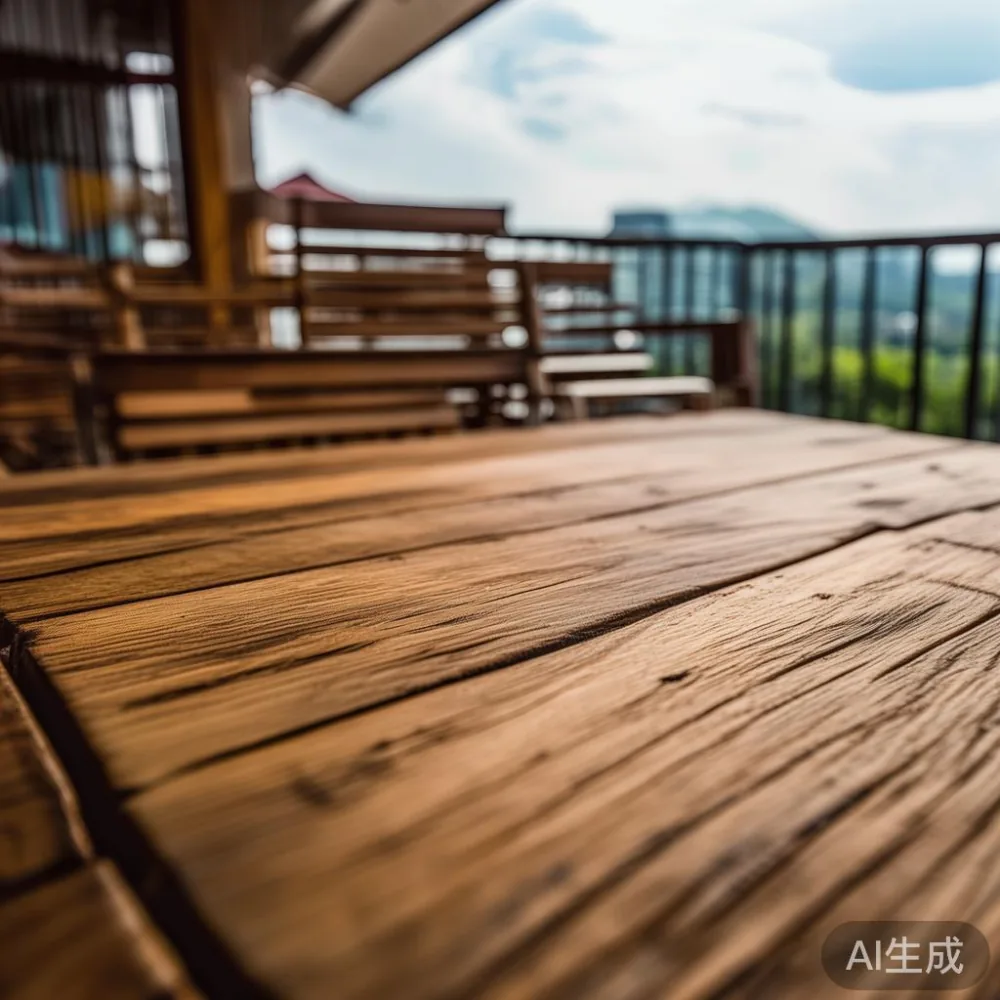
Singapore’s annual relative humidity commonly sits between 70–85%. During heavier rain or when a balcony door remains open, a sheltered corner can briefly reach 90% or more. The harmful condition is not humidity alone, but repeated swelling and drying. A timber surface may expand by roughly 1–3% across its grain through seasonal moisture changes, which is enough to stress a loose joint or distort a door over time.
Measure rather than guess. Place a hygrometer at seated height on the balcony for 7 days and record readings each morning and evening. Readings above 80% for more than 10 hours per day call for stronger moisture management. Readings of 60–75% are manageable for properly sealed solid wood, provided the furniture is not standing directly against a wet wall.
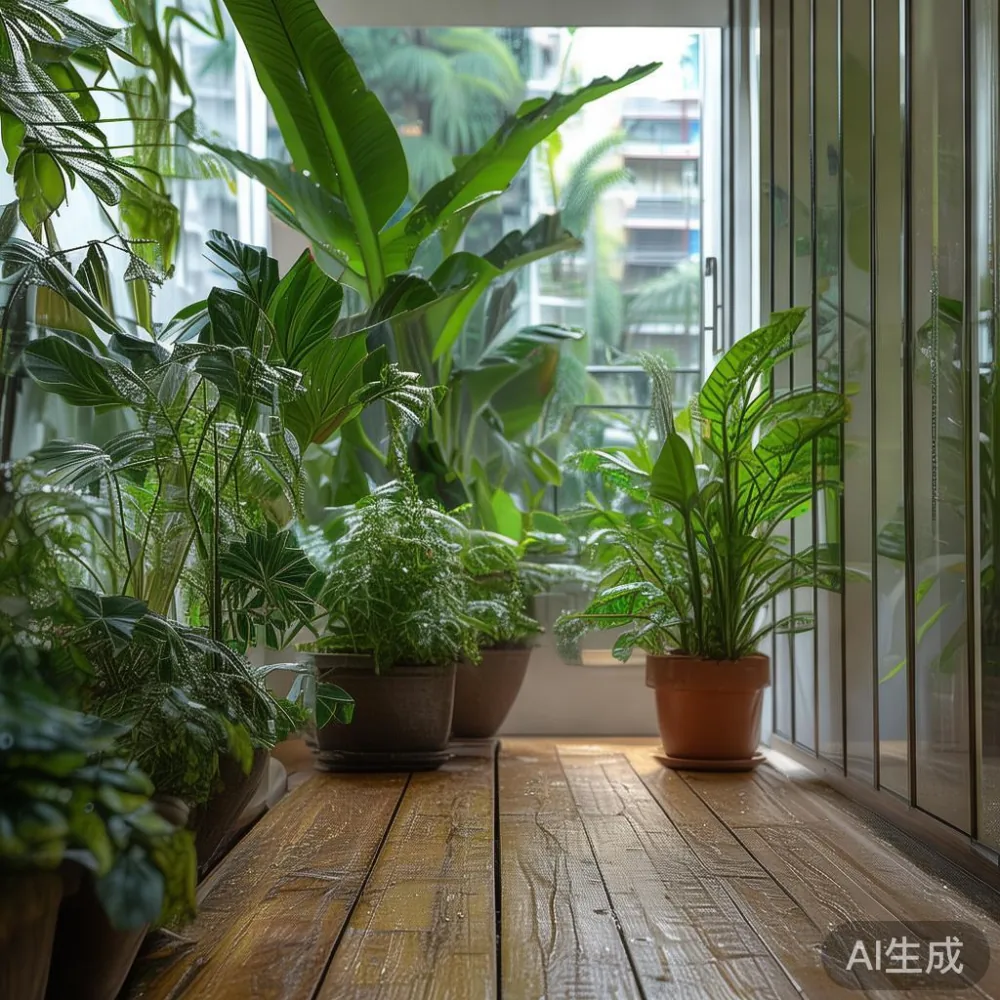
Condensation can occur even when the rain has stopped. A cool tiled floor at 26°C exposed to humid air at 30°C may form a thin water film on an object below 24°C. This is why a dining table leg protected by a coaster may remain stable while an uncovered nightstand develops a damp mark. Lift the piece at least 5 cm above the floor, keep it 10 cm away from the wall and maintain 30–60 cm of air circulation behind it.
Balconies also vary by orientation. West-facing units in Bedok can gain 10–15°C more surface heat than north-facing areas. Heat opens the timber’s surface pores and accelerates moisture loss, while the next shower brings the surface back into saturation. The result can be a less stable finish and visible checking along the grain.
Which solid wood works best on a humid balcony?
Teak is a practical choice for exposed balcony furniture because it contains natural oils and performs well in humid coastal conditions. A teak dining table or bench should still have a water-based outdoor finish rather than relying on the timber alone. Seal all faces, including the underside, and renew the coating every 12–18 months under Singapore conditions.
Oak, ash and beech are less forgiving outdoors. They can be used on a covered balcony if the humidity stays below 80%, the furniture is raised from the floor and the finish is maintained annually. Walnut requires the same care and should not be placed where sprinkler heads or roof runoff reach it.
For indoor use, kiln-dried solid wood with a moisture content near 8–12% is sensible for Singapore interiors. The manufacturing specification matters more than a fashionable species name. Ask for the moisture range, finish type, warranty period and expected indoor humidity range. A piece made for a dry European market may need ventilation periods before use in a humid flat.
Marine plywood and high-quality polyethylene may suit some balcony settings, but they do not provide the same repairability as solid timber. If the design calls for solid wood, specify solid wood legs, rails and frames rather than thin veneer stretched over particleboard. Particleboard swells quickly when it takes moisture, and its edges can deteriorate even if every visible face is sealed.
MDF is also vulnerable. A 25 mm panel can absorb moisture along an unsealed edge and expand noticeably over 48–72 hours. For a solid wood sofa, solid wood bed frame or wardrobe, check whether concealed panels and drawer bottoms are finished on all sides. Look for dowelled or mortise-and-tenon joints, 18–24 mm structural rails and adjustable feet that can correct a floor with a 10–20 mm variation.
What should I check before ordering balcony furniture for an HDB flat?
Measure the route from the street or loading point to the balcony. A common HDB lift door is about 90 cm wide and 200 cm high, with a car of roughly 110 cm deep and 140 cm wide. These figures can reduce once lift controls and protective pads are accounted for, so confirm the building’s service-lift booking rules and maximum load.
Also measure the corridor. A 120 cm-wide corridor may allow a 90 cm-wide nightstand but not a dining table turned sideways. A 160 cm-high bed frame may need a two-person lift through a 190 cm opening, with the top removed if designed that way. For balconies accessed through a master bedroom door, check the door width, handle projection and threshold height. Every turning corner needs at least 15 cm of spare clearance.
Plan delivery days rather than treating them as a surprise. Allow 3–7 business days for local stock or production coordination, and 10–20 business days for selected solid wood pieces shipped from Foshan to Singapore. The landed price should be stated in SGD, with GST shown separately where applicable. International freight can add 2–5 days for customs clearance and final-mile handover.
Before the carrier arrives, remove loose balcony items and protect the drain path. Place a 2 cm waterproof mat beneath a table only if it does not trap water against the wood. Keep planters on separate stands so their saucers do not wet furniture legs. A small investment of 20–40 cm between a planter and a timber panel reduces repeated contact with damp soil.
Can humidity damage a solid wood sofa, bed frame or wardrobe?
Yes, but the severity depends on construction and exposure. A solid wood sofa stored in a dry, ventilated living room has little reason to warp. The same frame placed in an enclosed balcony with 85–90% humidity may loosen joints or encourage mould around the underside if moisture remains trapped.
Do not place an indoor upholstered solid wood sofa against an exterior balcony wall. Leave 20–30 cm between the frame and wall where possible, and use a breathable cover rather than airtight plastic. For leather, keep the relative humidity near 45–65% and condition the surface every 6–12 months. Cotton and linen covers should be washed at 30°C and fully dried before replacement.
A solid wood bed frame needs clearance beneath it. Vacuum the underside and check every 3 months for insects, mildew and dampness. For a wardrobe, verify that the back panels are sealed and that ventilation is not blocked by wall-to-wall installation. If condensation appears, add 10–15 mm of rear spacing and run a fan rated for a 20 m² room for 1–2 hours after rain.
The flooring beneath a marble table is worth checking too. Marble is dimensionally stable and does not absorb much water, yet its polished surface can reveal moisture and salts from the substrate. Keep a 5 mm silicone joint around the base, avoid trapping a wet cleaning cloth underneath and wipe spills within 10 minutes. This protects the stone, the adhesive line and the timber or metal support beneath it.
Light-luxury design should work with the climate, not conceal its shortcomings. French light luxury tends to use pale oak, cream upholstery and slender profiles; the pale finish makes water marks easier to see. American light luxury often combines darker walnut with metal details, so metal corrosion and finish continuity need attention. Post-modern light luxury can use geometric frames and mixed materials, but every junction must remain accessible for drying.
How do you maintain balcony furniture through the monsoon months?
Clean weekly with a soft cloth, mild soap and no more than 100 ml of water per cloth. Wipe standing water away and dry edges within 15 minutes. Avoid silicone oil on outdoor furniture because it can create a sticky surface and collect dirt. Use a pH-neutral cleaner on marble and test it on a 10 cm square before applying it across the top.
Inspect solid wood twice a year. Look for raised grain, open checking, loose joints and screw movement. A checking line under 2 mm in a finished outdoor bench is usually a normal response to wetting, while a warped rail more than 5 mm out of plane requires attention. Tighten fixings only after the timber is dry; forcing a swollen screw can split the joint.
Re-oil an oiled teak surface every 12 months and re-seal painted or lacquered pieces every 12–24 months. Apply coatings in shade when the surface temperature is below 32°C. A UV clear coat with a UV protection factor of 30 or higher is useful on exposed surfaces, but it does not replace annual inspection.
During a downpour, move lightweight pieces away from railing gaps if wind-driven rain can reach them. Do not drape plastic over furniture, because the trapped vapour can worsen swelling. A breathable fitted cover with ventilation panels is preferable. After showers, open balcony doors for 30–60 minutes and run a fan if the apartment layout permits cross-ventilation.
Can I compare European and American furniture without confusing humidity specifications?
Style references can help with scale, but technical specifications should decide the purchase. European furniture may be designed around different heating seasons, yet local humidity still requires stable joinery and controlled moisture content. Searching under 2000 European furniture can produce attractive solid wood dining tables, bed frames and sideboards, but check whether the quoted price includes Singapore GST, delivery and installation.
A practical guide to how to choose Mid-century modern sofa is to test the seat frame, inspect the rear access panels and confirm that the timber is kiln-dried to approximately 8–12% moisture. Tapered legs and clean lines suit a compact HDB living room, while a 220 cm sofa requires a landing area wider than 230 cm. Ask for a 90 cm doorway measurement before selecting a deep arm.
For bedrooms, the phrase how to style European light luxury sofa in bedroom is useful for colour and proportion, but humidity control comes before decorative styling. Keep the sofa 15–20 cm from the wall and away from direct balcony-door airflow. A small nightstand with a closed drawer can protect papers and electronics more effectively than an open shelf.
Similarly, French bed vs Modern bed is often framed as a style comparison. A French bed may use a timber frame with decorative shaping, while a modern bed usually presents straighter lines; both benefit from a 5–8 cm gap below and rear ventilation. For storage, a search for best American wardrobe for 2026 may return useful planning information, but “best” should not replace checks for moisture content, edge sealing and adjustable hanging hardware. This article uses the required phrase while making the technical point clearly.
For compact rooms, guidance on how to style Japandi wardrobe in room can help with pale finishes and vertical storage. Keep the wardrobe 10 cm from an exterior wall when space permits, and use moisture-absorbing trays only as a monitored supplement rather than a substitute for airflow. Replace activated charcoal trays every 2–4 weeks; a saturated tray can become a source of humidity.
MIDHILL manufactures solid wood furniture in Foshan and has supplied international markets since 2008. Its 10-year structural warranty addresses frame and joinery integrity, while lifetime refinishing supports long-term surface care. Buyers should still confirm whether balcony use falls within the supplied care instructions, because no finish protects an outdoor piece from permanent standing water.
How should overseas-made furniture reach my Singapore balcony?
International buyers should request a full dimensioned drawing before dispatch. Include the lift car dimensions, corridor width, balcony door, turning points and the intended orientation of the piece. For solid wood dining tables, ask whether the top separates from the base. A 180 cm table that splits into two 90 cm sections is far easier to carry than one fixed 180 cm slab.
Shipping damage and moisture damage are different issues. Export packaging should include corner protectors, moisture barrier material and desiccant for sea freight. Check the pallet and cartons on arrival. A carton that feels damp or has a swollen base should be opened immediately and photographed before the carrier leaves.
Allow the furniture to acclimatise for 48–72 hours before tightening or fixing. Remove transport restraints gradually and check the level of every leg. Singapore’s local delivery charge should be clear in SGD, and the 14-day return policy should be reviewed before confirming a non-standard size. For purchases above US$350, MIDHILL’s stated free-shipping offer may apply to eligible international orders, but local GST, customs and final-mile charges should still be verified in writing.
What is the right furniture arrangement for a compact Singapore home?
Choose furniture in descending order of daily need. A dining table with four chairs needs roughly 150 × 150 cm of usable space; a compact balcony bench may need only 120 × 40 cm. A solid wood sofa should have 80–90 cm of walking clearance at its front, while a bed frame generally requires 60 cm along one side for drawers or bedside access. These are working dimensions rather than decorative allowances.
For a dining table, select a stable rectangular or round design that can be moved easily. A round 110 cm table with a 120 cm diameter often works better in a narrow HDB dining area than a rectangular table requiring 160 cm of width. For a nightstand, a 45 cm top is enough for a 13-inch laptop and a 15 cm glass, while a 40 cm model suits a tighter room.
Colour also affects the perception of humidity marks. Pale timber shows clean tonal variation but exposes stains; darker walnut disguises minor marks yet reveals pale salt deposits after evaporation. Test a finish sample against the actual light in the evening. Keep 2–3 samples visible for 7 days before approving a large order.
Before placing a marble table outdoors, verify that the balcony floor is level within 3 mm over 1 metre. Marble tops can weigh 70–180 kg depending on size and thickness, so confirm point loading and ask whether the base includes an adjustable frame. Never assume the building threshold or lift can carry the full weight without a protective schedule.
The most reliable setup is modest: measured access, controlled moisture, solid construction and regular maintenance. A well-specified balcony furniture set can handle Singapore humidity for years, while a poorly sealed piece can deteriorate after a single monsoon season. Confirm dimensions, finishes and care requirements in writing, and involve the building management before booking a service lift.