How Southeast Asian Humidity Affects Balcony Furniture
Singapore’s warm, humid climate can change solid wood more quickly than many buyers expect. A balcony in Tampines may face morning humidity of 80–90%, afternoon sun, overnight condensation, and airflow restricted by an HDB tower, while a Punggol condo balcony may receive heavier rain and less direct wind. These conditions affect balcony furniture, indoor solid wood sofas, dining tables, wardrobes, bed frames, and nightstands differently. The answer is not simply to buy thicker wood; timber species, joinery, finish, drainage, placement, and maintenance all determine how a piece ages.
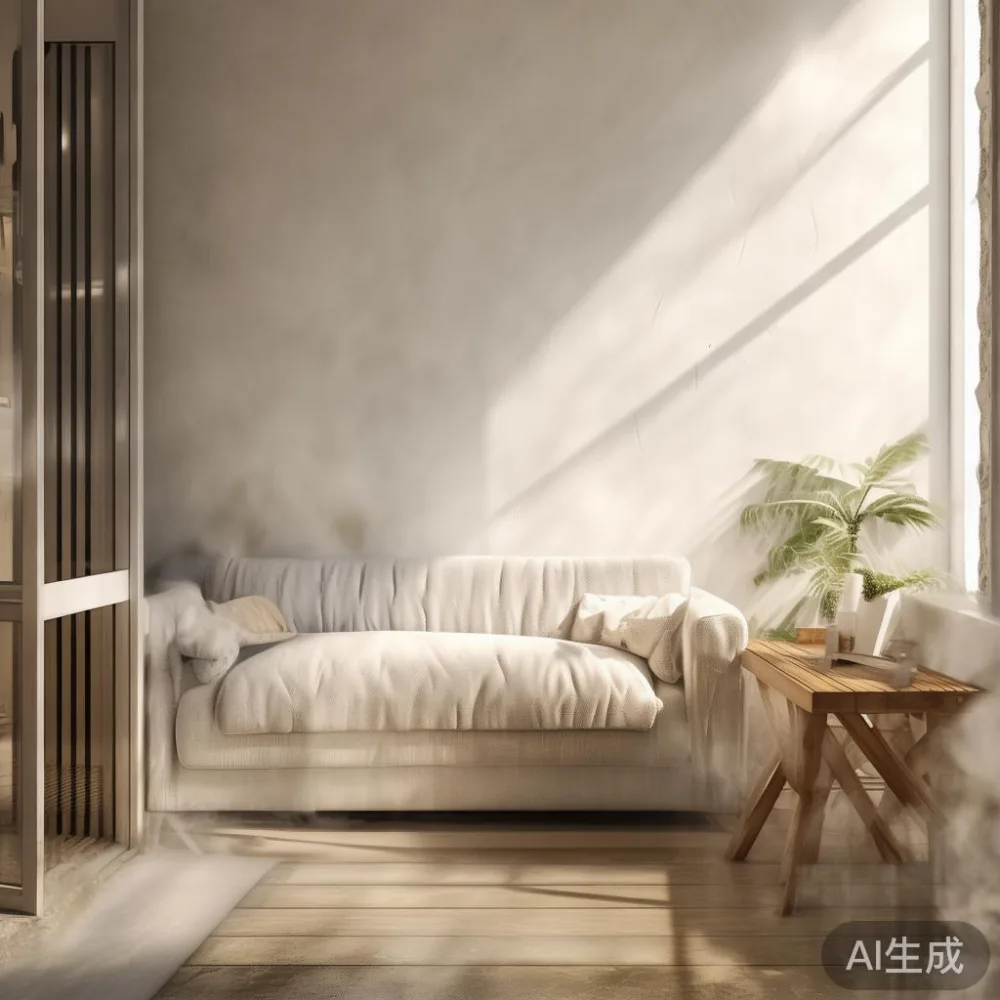
At MIDHILL, we design and manufacture solid wood furniture with practical guidance for humid Southeast Asian homes. Our 10-year structural warranty covers construction, while lifetime refinishing reflects the long life that good furniture can achieve when moisture is managed. For Singapore customers, free shipping applies above US$350, although displayed product pricing and GST are handled in SGD at checkout. Delivery timing varies by product and route, generally taking 3–7 days for Singapore orders after production or stock allocation.
Why Singapore balcony furniture experiences high humidity?
Singapore’s annual rainfall is about 2,340 mm, and relative humidity commonly ranges from roughly 65% to 90%. Those numbers are not merely outdoor details. Balcony doors are often left open for ventilation, so moisture can reach a living room or dining area. In a compact HDB flat, where an internal corridor may be only about 90 cm wide and a common lift lobby may be around 140 cm wide, bulky balcony furniture can also obstruct the route between rooms and make lifting more difficult.
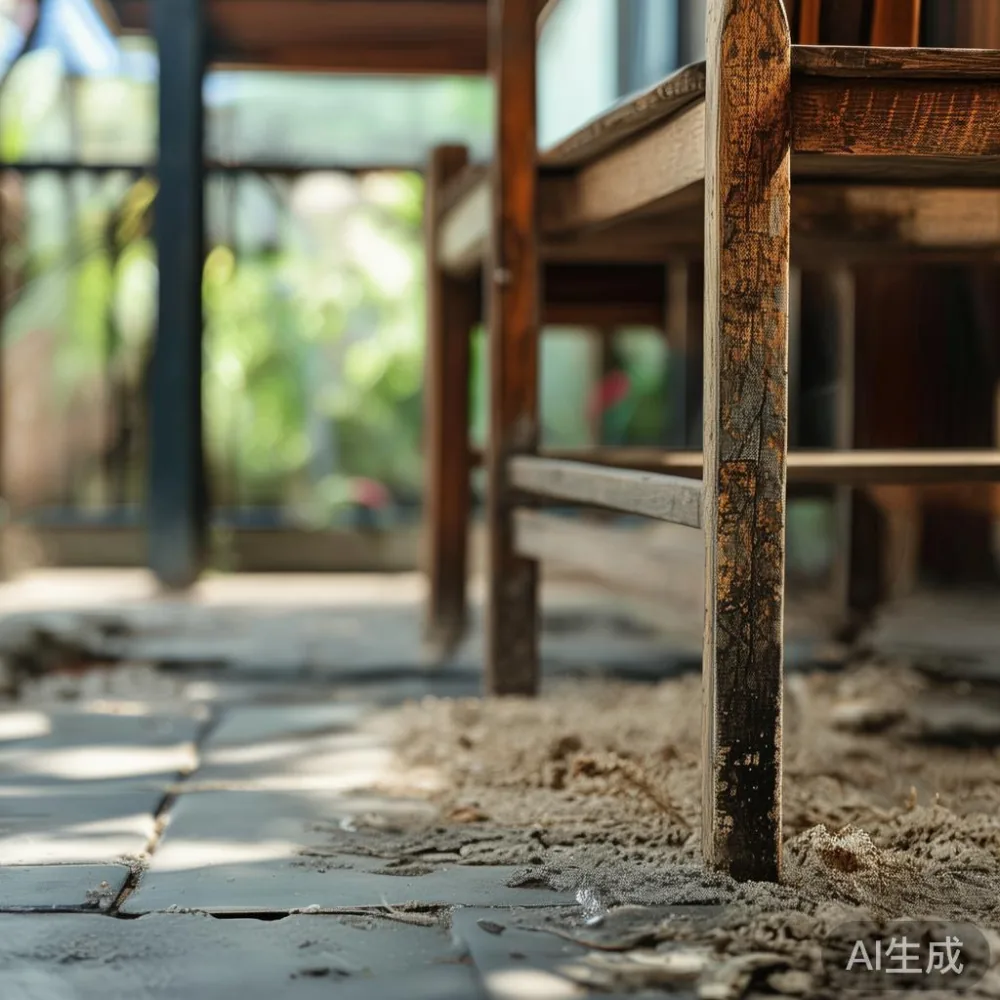
A balcony is a small environmental boundary. The floor may drain well while the walls and ceiling stay damp. Metal fittings can collect condensation at night. A chair placed against a parapet may stay wet longer than one positioned 20–30 cm away. Air-conditioning helps indoors, but it does not directly dry a balcony during rain.
This is especially relevant to solid wood sofa frames, dining table legs, wardrobe sides, and storage units. Wood naturally exchanges moisture with the surrounding air: it expands when it absorbs moisture and contracts when it dries. Repeated cycles can open tiny surface checks around joints, lift a veneer edge, or make a drawer feel tight. The aim is not to eliminate natural movement but to slow uneven moisture exchange.
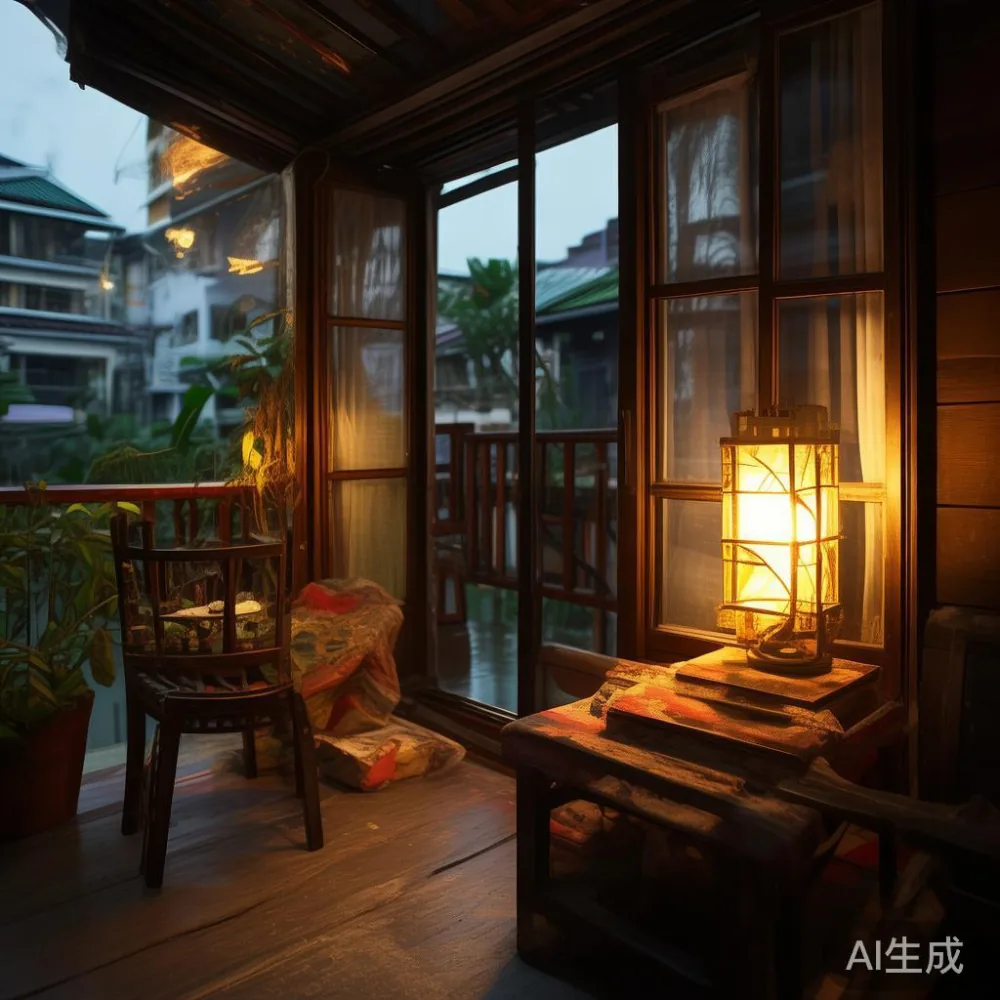
What humidity does to teak, oak, ash, and other solid woods?
Teak performs well in damp settings because it contains natural oils and dense tropical fibres. It is a sensible choice for balcony furniture, but it still needs ventilation and should not stand in pooled water. European oak can be attractive and durable, yet its reaction to humidity depends on cut, drying history, and finish. Ash has a pronounced grain and a clear response to moisture, so stable indoor placement matters. Rubberwood and other plantation species may be more economical, but they still need sealed edges and controlled exposure.
Oak, for example, can show roughly 3–6% dimensional movement across the grain when its moisture content changes substantially. Teak generally moves less, although the amount varies with moisture gradient and construction. Movement along the grain is much smaller than movement across it. That is why a 180 cm dining table should not be pushed hard against a wet wall: allow at least 5–8 cm for air circulation and for the timber to breathe.
For a bed frame or wardrobe, look for furniture that is built for its intended environment rather than relying on a thick panel alone. Back panels, drawer bottoms, corner joints, and finish transitions all affect stability. A post-modern light luxury appearance can work well with clean lines, pale oak, warm ash, and restrained hardware, provided the product is not falsely described as moisture-proof.
How should you choose balcony furniture for a Singapore home?
Start with measurements, not photographs. Measure the balcony width, depth, doorway, lift opening, and corridor turn. Leave 60 cm of usable passage where people regularly walk. A 90 cm balcony chair may fit, while a 120 cm sofa can block drainage or make cleaning difficult. Check the furniture’s fully assembled dimensions and weight before ordering; a 75 kg dining table may require two people and a careful route through the lift.
For a dining table, choose a design with a stable base, sealed underside, and legs that do not trap water. A 140 cm table seating 4–6 people suits many condo dining areas, while a 180 cm model needs at least 90–100 cm of clear space around it. Teak or well-seasoned oak is common for balcony furniture, but a marble table needs a different plan: the stone may handle moisture without swelling, yet its weight, drainage, and slippery surface need consideration.
For seating, inspect the underside and the contact points. Slatted or slightly raised bases allow water to drain instead of holding it beneath the frame. A solid wood sofa intended for an indoor living room should not automatically be moved outdoors for long periods. If an outdoor seat is required, ask for a product specifically designed for exposed conditions.
Many shoppers search for how to choose Japandi wardrobe because a restrained, pale-wood style suits a compact HDB bedroom. For a humid Singapore room, select a wardrobe with sealed back panels, adjustable feet, and a finish that can be maintained. Japandi design is about proportion and calm, not about using untreated timber. Similar research for for sale Japandi furniture should include drawer movement, moisture control, and delivery access rather than only colour.
Which indoor furniture pieces need the most moisture attention?
Solid wood dining tables and nightstands are often exposed near air-conditioning vents or windows, which can create repeated humidity cycles. A nightstand may sit beside a bed and collect condensation from a poorly ventilated wall. A bed frame should be kept 10–15 cm from a cold exterior wall where practical, while allowing air to circulate around its perimeter. Avoid placing bedding directly against an unventilated surface.
Wardrobes need clearance at the back and around the sides. In a compact bedroom, 5 cm may be enough for airflow, but 8–10 cm is more comfortable if the unit is near a balcony wall. Make sure doors can open fully and that the base is not sitting in a wet-cleaning zone. Drawer boxes should slide without forcing; friction caused by swollen timber is a maintenance signal, not a reason to apply more finish immediately.
For a living room, the phrase Modern for small living room often leads to useful size planning. A 160–180 cm sofa may suit a wider condo living area, but a 140–150 cm sofa can preserve a practical 75–90 cm walkway. Compare seat depth, arm width, and the route from the lift. An American sofa vs Italian light luxury sofa comparison should include frame construction, cushion foam, fabric care, and after-sales support—not just appearance.
When searching for the best European light luxury bed for 2026, look for stable joinery, a centre support for wider spans, and a finish that can be renewed. Light luxury for office layouts should make the same demands: pale timber can look refined, but it must be paired with measured cable gaps, adequate ventilation, and furniture that does not block air-conditioning output.
How do finishes, cushions, and drainage change the humidity risk?
A good finish slows moisture entry, but no film should be treated as a permanent waterproof barrier. Look for a factory-applied coating with sealed end grain where possible. Pay attention to edges, undersides, and drilled areas because those can absorb water first. Re-oil or refinish according to the supplier’s instructions, not simply whenever a surface looks dry.
Outdoor cushions need their own attention. Foam absorbs moisture, and a cover that traps water against the timber can be worse than no cover at all. Use breathable materials, remove cushions after rain, and stand them upright when possible. Check beneath seat pads every 2–4 weeks during wet periods. Keep the furniture at least 20–30 cm from a parapet or wall if the balcony layout permits.
Small drainage changes can help. Confirm that balcony drains are clear, keep leaves away from floor grids, and avoid using a rug that prevents air movement. Do not place balcony furniture directly under an irrigation drip or a line where rainwater runs across the floor. If a piece must sit close to a wall, use adjustable feet or a low stand with a gap of at least 3–5 cm.
What maintenance routine works in Tampines, Bedok, and Punggol?
Once a week, wipe balcony furniture with a clean damp cloth and dry it immediately. Once a month, inspect joints, screw heads, foot pads, and any finish that feels rough. During especially wet weeks, move movable chairs and stools after rainfall and check under them for standing water. Avoid chlorine-heavy cleaners on unknown coatings; test a small hidden area first with about 5 ml of product.
Every 6–12 months, assess whether the finish needs refreshing. A maintenance application may be sufficient for a sheltered table, while a more exposed chair may need attention sooner. Do not sand aggressively or strip a surface without checking the product instructions. For a dining table, use a stable placement and clean spills within 10 minutes. For a marble table, dry the surface promptly because water can remain around the edge and beneath objects even when the stone itself does not absorb it.
New furniture should be acclimatised gradually. Keep it in a dry interior for 24–48 hours before bringing it into a balcony setting. During that period, do not leave it wrapped in plastic if the packaging can trap condensation. Open or remove the wrapping according to the supplier’s directions.
Can light luxury furniture be suitable for Singapore balconies?
Yes, with realistic material choices and placement. French light luxury, American light luxury, and post-modern light luxury can all suit a Singapore interior, but delicate visual details should not compromise drainage. A clean-lined teak dining table, a pale-oak nightstand, or a refined marble table can create an elegant balcony reading corner when the furniture is sized correctly and protected from standing water.
Think in layers: a 160 cm solid wood sofa indoors, a small 80 cm balcony chair outdoors, and a slim 35 cm side table between them can look more considered than pushing a large indoor sofa through a narrow balcony door. The outdoor pieces should be selected for exposure, while the indoor pieces should be selected for comfort and finish quality.
What should a buyer ask before paying in SGD?
Ask for the exact timber species, finish type, expected indoor or outdoor use, dimensions, assembled weight, and warranty terms. Confirm whether delivery includes carrying the item to the HDB unit, and whether the lift can accommodate the package dimensions. A 10-year structural warranty is useful, but damage from standing water or poor storage may sit outside structural failure. Request clear care instructions in advance.
For MIDHILL furniture, compare the product with the actual balcony rather than relying on a lifestyle image. Confirm delivery in 3–7 days where stock or production timing allows, check GST and the final SGD total, and review the 14-day return terms. Solid wood furniture should be purchased for a long service life, with the understanding that responsible placement and regular care are part of ownership.
Humidity in Singapore does not make wood furniture unusable. It makes thoughtful selection more important. Choose stable timber, seal vulnerable surfaces, provide airflow, control drainage, and maintain the finish on a schedule. With those steps, balcony furniture can remain attractive and serviceable for years while complementing the compact proportions of HDB flats and condos.