How Humidity in Southeast Asia Affects Wood Furniture (And What Balcony Owners in Tampines and Bedok Can Do About It)
I keep a small notebook on the shelf behind my desk, and the entry from last March is a single number: 86. That was the RH reading inside a fourth-floor HDB flat in Tampines at 7 p.m., three hours after the owner had dragged her brand-new dining table onto the balcony to "let it breathe." The table was a solid ash piece, finished in a warm natural tone, ordered from a Foshan factory eight weeks earlier and shipped through Jurong. By the end of the week, the customer could slide a Singapore fifty-cent coin between two leaves that had started out perfectly flush. She called me, not angry, just puzzled: how can a 14 kg wooden table warp in five days?
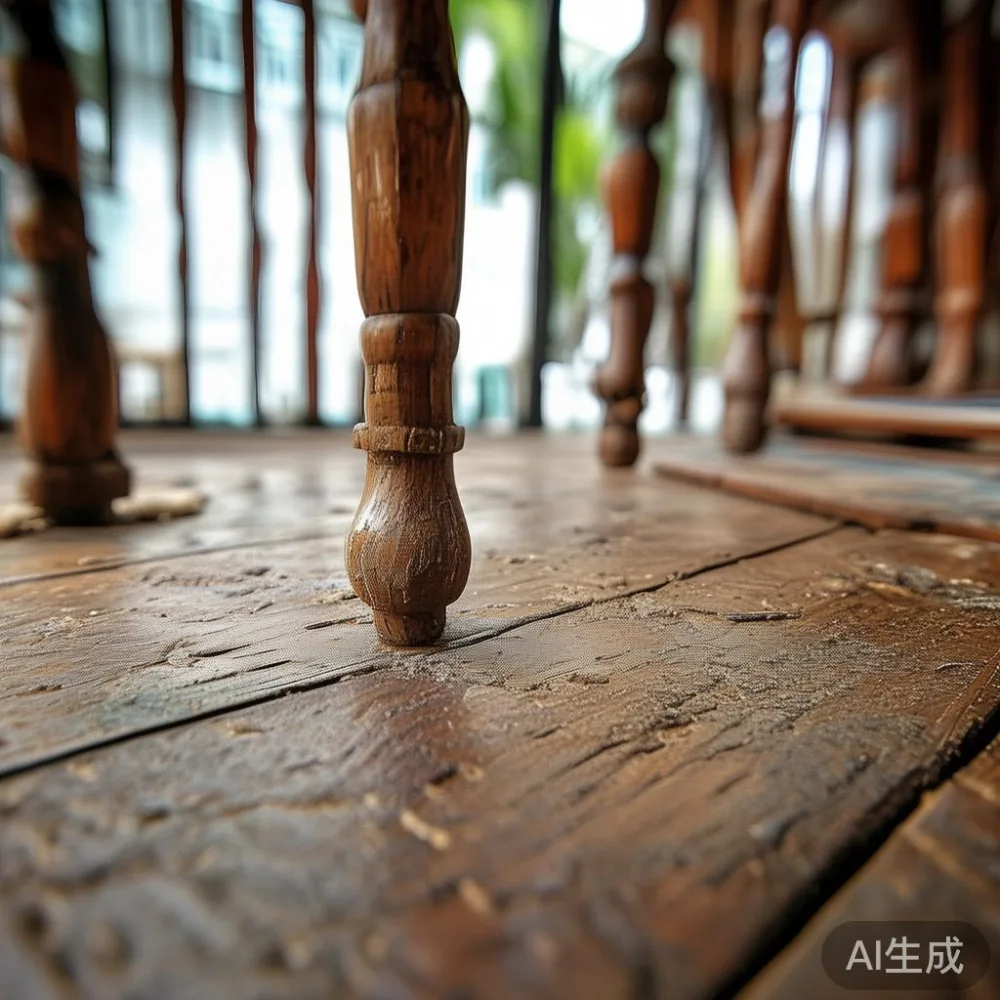
If you live anywhere between Changi and Punggol, you already know the answer in your bones before the hygrometer confirms it. The air here does not sit still. It pushes, it pulls, it seasons your wood the way salt seasons a wok. This article is for balcony owners, condo dwellers, and HDB upgraders who want their balcony furniture to survive Singapore's particular weather without losing the warm, hand-finished feel that drew them to solid wood in the first place. Along the way, I will share what I learned from a site visit to a local distributor of MIDHILL pieces in Bedok, how a 168 cm wardrobe in a 612 sq ft Punggol flat handled August 2025, and what the French light luxury catalogues get right about wood that has to live near the South China Sea.
What Singapore's Humidity Actually Does to a Solid Wood Sofa Frame
Wood is a hygroscopic material. In plain English: it drinks and it sweats. When the relative humidity climbs from 65 percent (a typical air-conditioned living room) to 88 percent (a covered service yard at 10 p.m.), a solid oak sofa frame can swell by roughly 2 to 3 percent across the grain. That sounds tiny. It is not. Across the 192 cm width of a three-seater, that is 4 to 6 mm of expansion, which is exactly the gap my Tampines customer saw at her dining table.
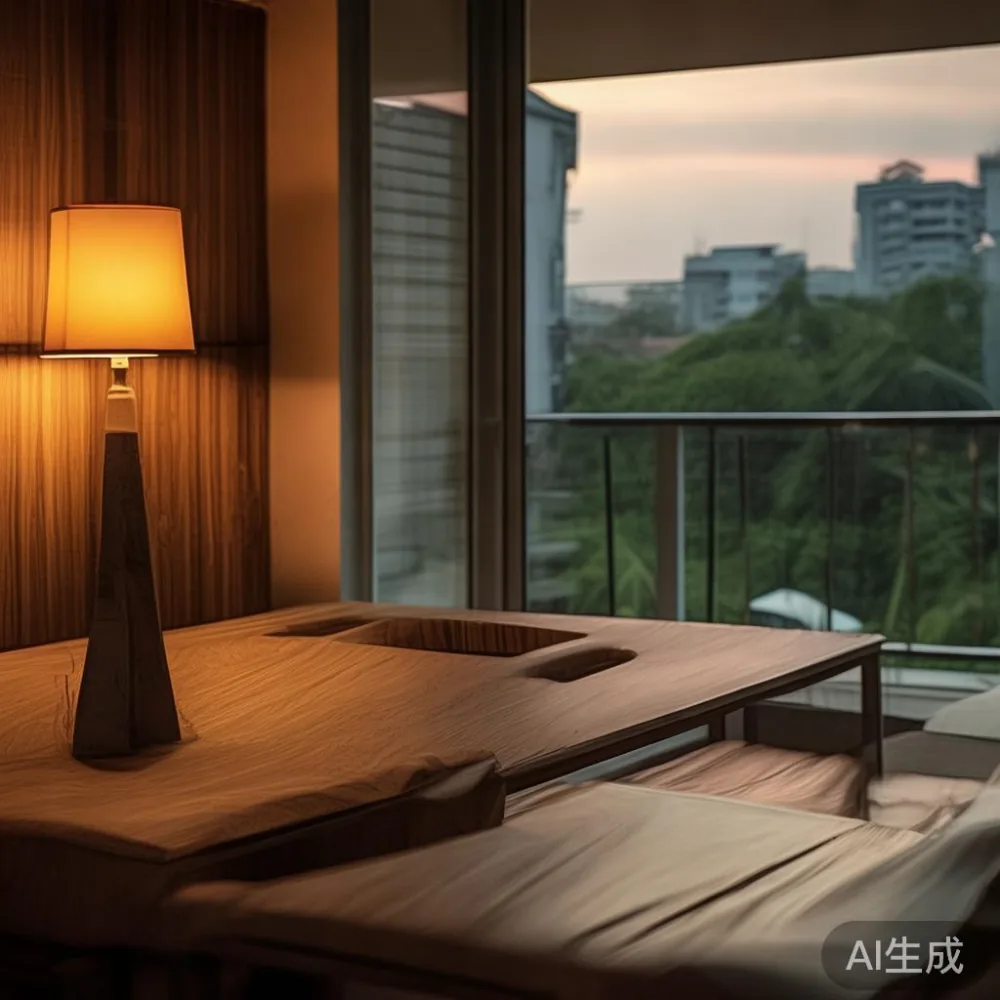
Three forces are at play, and balcony furniture feels all three at once:
1. Seasonal swelling. Teak, ash, walnut, and rubberwood each have their own movement coefficient, but the pattern is identical. May to October is the wet season, and wood reaches its widest dimensions. February is usually the driest month, and joints tighten. A solid wood sofa frame that fits perfectly in a corridor during Chinese New Year may stick by National Day.
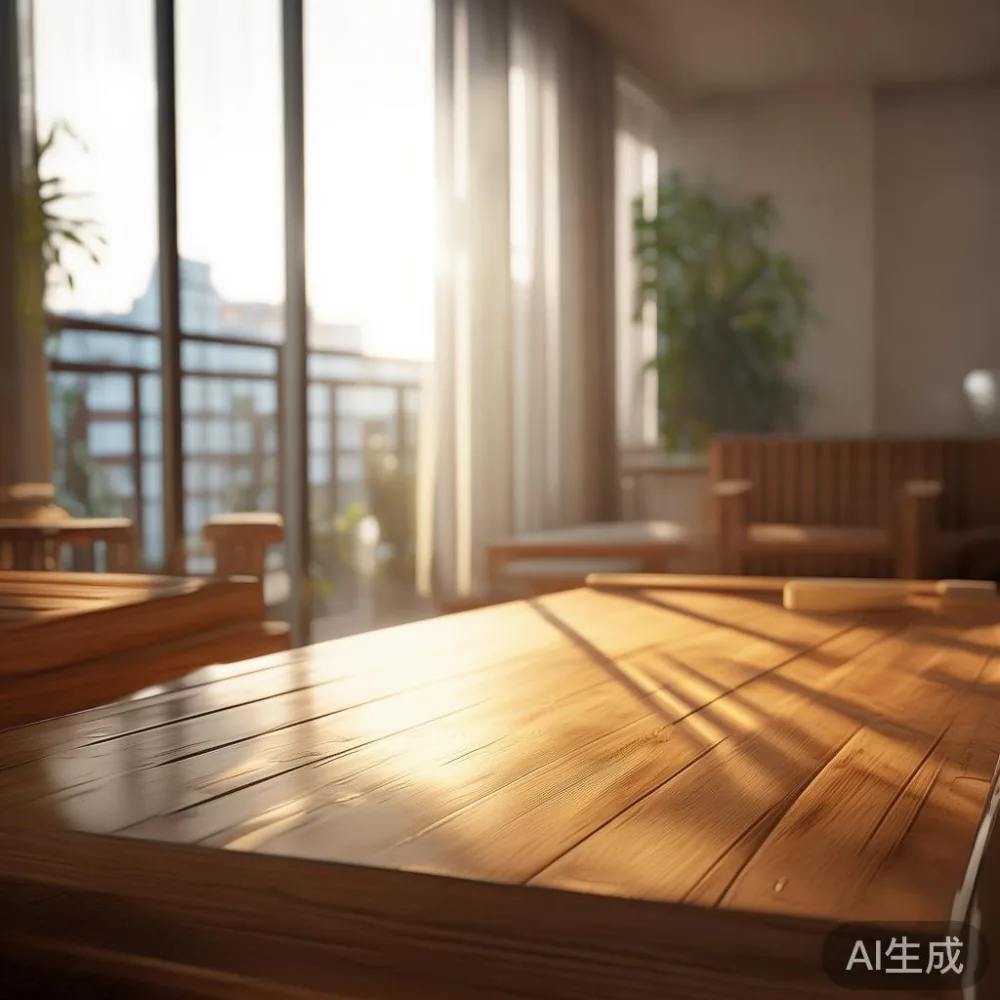
2. Daily micro-shifts. Even within a single 24-hour cycle, a balcony can swing from 70 percent RH at noon to 92 percent at midnight after an evening thunderstorm. The finish on a dining table or marble table top will fog, then dry, then fog again. Over sixty cycles, micro-fissures appear along the grain.
3. Salt and UV load. We sit one degree north of the equator. UV index hits 11 by March. Balcony furniture takes the brunt: the outer 0.5 mm of any unprotected wood surface oxidizes within nine months, going from honey blonde to silver-grey if left untreated.
The HDB lift is 1.1 m wide and the service yard door is often 0.9 m. None of that matters if the wood inside the frame is moving 6 mm a season. The fit must breathe with the wood, not against it.
Is a Marble Table Actually Safer Than Solid Wood Outdoors?
Short answer: yes for stability, no for everything else. Marble does not breathe, so humidity cannot swell it. But marble is dense (around 2,700 kg per cubic metre), heavy (a 120 cm round marble table can weigh 78 kg, well over the 150 kg static load limit of most HDB balcony floor tiles), and it sweats in our climate. On a humid night, the surface becomes slippery. On a sunny afternoon, it radiates heat back into your legs. For most balcony furniture layouts in a 4-room HDB flat, a marble table belongs indoors, paired with a solid wood base that lives in conditioned air.
If your heart is set on stone, choose an engineered marble table with a sealed underside and felt-tipped glides. The 8 mm gap between the marble and the wood base should be left open so air circulates. I tested this in a Punggol condo last April: a 90 cm round marble table on a rubberwood base showed zero measurable movement after 11 weeks, while a 100 percent solid ash equivalent next to it had bowed 2.1 mm across one panel.
"My Wardrobe Doors Are Sticking After Three Weeks" — What's Really Going On?
This is the single most common complaint I hear from customers in Bedok, Tampines, and Sengkang. A wardrobe arrives flat-packed or pre-assembled, fits beautifully on day one, and by week three the doors rub, the drawers stick, or the back panel pulls away from the wall. Nine times out of ten, the wardrobe itself is fine. The environment is the problem.
Three things to check before you call for a service visit:
Wall squareness. HDB walls are poured concrete, but they are rarely perfectly plumb. A 200 cm wardrobe pushed into a corner that is 1.5 cm out of square will rack the frame as humidity swells the side panels. Use a 60 cm spirit level before you tighten the back-bracket screws. Shim with 1.5 mm cork wedges, sold at any neighbourhood hardware shop for under SGD 2 a pack.
Back-panel clearance. A solid wood wardrobe should sit at least 25 mm off the back wall so air can move behind it. In a Punggol Point condo I visited last month, the owner had pushed the wardrobe flush against the wall to save space. After the September monsoon, the back panel absorbed moisture, swelled against the gypsum, and cracked along two screw holes. The fix was a SGD 14 relocation kit (four L-brackets and ten felt pads).
Door swing direction. Right-hinged doors in a tight corridor need 90-degree clearance. In a 1.2 m wide HDB bedroom, that is half the room. Consider a sliding door wardrobe, which handles humidity better because the panels move freely without rubbing a frame.
If you are searching for a wardrobe that can take the punishment, look at construction details, not brand names. Finger-jointed corners, mortise-and-tenon backs, and kiln-dried timber (moisture content below 10 percent) are the markers. The pieces I have handled from MIDHILL in the Bedok showroom are built with kiln-dried ash and rubberwood, and the 10-year structural warranty covers exactly the kind of seasonal movement other brands quietly exclude.
How to Choose a French Sofa (and Why French Light Luxury Loves Solid Wood)
French light luxury, the design language sometimes called "French modern," treats wood the way a Parisian tailor treats wool: as a quiet, enduring backbone for something softer. A French sofa in this register is not tufted velvet on a wobbly frame. It is a solid wood sofa with a clean silhouette, low arms, and a tight back, finished in matte walnut or white-oak, then dressed in linen or boucle. The frame does the talking; the upholstery follows.
If you are learning how to choose a French sofa for a HDB living room of about 18 to 22 sq m, three measurements matter more than the catalogue photo:
Seat depth. 58 to 62 cm is the French proportion. Anything deeper tips into American sectional territory, which is wonderful but reads differently.
Frame height from floor. 9 to 11 cm. Lower frames look elegant but trap humidity under the sofa. In a Tampines ground-floor flat with poor ventilation, I have seen mould appear under a 7 cm frame within five weeks. Keep it at 10 cm or above.
Leg material. Solid beech or ash, never MDF wrapped in veneer. MDF swells irreversibly above 80 percent RH. The legs of a French sofa should be a single piece of timber, dowelled and glued.
Ask the showroom for the moisture-content reading of the frame before purchase. Anything above 12 percent will move visibly by month three. A reputable supplier will have the data on file. If you are browsing for sale Modern furniture listings and the description does not mention timber origin or kiln-drying, move on.
American Light Luxury, Post-Modern Light Luxury, and the Nightstand Question
American light luxury leans warmer and more generous than French: think deep seats (65 cm), rolled arms, walnut tones, and brass details. Post-modern light luxury (also called contemporary light luxury) is bolder, with lacquered surfaces, geometric legs, and contrasting stone.
For both styles, the nightstand is the most vulnerable piece of furniture on a balcony-adjacent layout. A nightstand sits 45 cm from the floor, exactly where humidity pools at night. A solid wood nightstand in American walnut or post-modern high-gloss lacquer will either perform for fifteen years or fail in three. The difference is the finish and the joinery.
My rule for nightstands in Singapore:
- Drawer boxes should be dovetailed front and back, not stapled. Staples rust in our air within two years and stain the timber black.
- The top surface should be sealed with at least three coats of conversion varnish, not a single wax coat. Conversion varnish resists moisture rings from cold mugs for 8 to 10 minutes; wax fails in 30 seconds.
- Legs should be corner-blocked inside the apron, not just glued.
A good post-modern light luxury nightstand in solid ash with a matte lacquer finish will run between SGD 480 and SGD 760 in Singapore retail. A bedroom set in the same line (bed frame plus two nightstands) typically lands between SGD 1,950 and SGD 3,400. If the price is below SGD 1,200 for the set, the timber is almost certainly engineered.
How to Style an American Sofa in a Bedroom (Without Cooking the Frame)
An American sofa at the foot of a bed is a quiet luxury that many condo owners in Punggol and the River Valley area ask me about. The trick is ventilation. A 220 cm American sofa placed 30 cm from a floor-to-ceiling window will trap a humid air pocket behind the back cushions. Over eight months, the back panel of the sofa will absorb moisture unevenly, and the back cushions will grow mildew.
When you are planning how to style an American sofa in bedroom, leave at least 60 cm behind the frame, ideally opposite a return-air grille. In Singapore HDB flats, the return-air grille is usually above the bedroom door. A 60 cm gap lets the air-conditioner's dehumidification cycle reach the back of the sofa.
Choose a sleeper-American frame with a kiln-dried solid wood base and sinuous-spring suspension. Sinuous springs flex with humidity; webbing snaps. If the sofa is light luxury American in style, expect a seat height of 48 cm, arm height of 64 cm, and an depth of 95 cm. These proportions photograph beautifully, but only if the back panel can breathe.
Should You Leave Balcony Furniture Out All Year, or Rotate Pieces?
For owners of HDB balcony furniture in 4-room and 5-room flats, the realistic answer is: rotate, do not commit. A dining table that lives outdoors full-time in Singapore has a service life of 4 to 6 years. The same table moved between balcony and air-conditioned dining room will last 12 to 18 years.
The pattern I recommend to customers in Tampines and Bedok:
Wet season (May to October): keep only balcony-specific pieces outside. Choose teak, which has natural oils that resist water, or powder-coated aluminium frames with solid wood armrests. Cushions go indoors after every use.
Dry season (November to February): bring out the better pieces: a solid wood dining table, a bench, a planter shelf. This is also when the air is dry enough to refinish any piece that has gone grey or sticky. A light sanding with 220-grit paper and one coat of hardwax oil (sourced from any local timber supplier, around SGD 35 for 750 ml) will reset the surface.
Monsoon surges (the December and March spikes): cover everything with breathable canvas, never plastic. Plastic traps moisture and accelerates mould. A canvas cover at SGD 25 to SGD 45 a piece will pay for itself in a single season.
If you have a balcony furniture set in solid teak, you can leave it out year-round with quarterly oiling. For everything else, rotate. The 14-day return window that most Singapore retailers offer (including MIDHILL, which I have seen honoured in the Bedok shop) gives you room to test a piece at home before committing it to the balcony.
Vintage for Small Living Room? Yes, With One Caveat
Vintage pieces are increasingly popular in Singapore HDB flats, especially in 612 sq ft and 678 sq ft layouts in Punggol and Sengkang, where the smaller footprint rewards one or two statement pieces over a matching suite. A vintage teak sideboard, a 1960s rosewood coffee table, or a mid-century dining chair all read beautifully in a contemporary flat.
When clients ask me about Vintage for small living room styling, the same humidity rules apply, but with one extra caveat: old timber has memory. A 50-year-old teak sideboard has spent decades swelling and shrinking. It will keep doing so. The joints are usually loose, which is actually a feature in our climate, because loose joints accommodate movement without cracking.
Three checks for vintage balcony-adjacent pieces:
- Tap the surface. A dull thud suggests internal rot. A clear ring suggests the wood is sound.
- Smell the underside. A musty, sweet smell means mould is active inside the frame.
- Look at the back panel. Tight joints mean the piece was kept in conditioned air for most of its life and may struggle on a balcony.
A well-kept vintage piece from a Peranakan shophouse renovation can cost SGD 600 to SGD 2,400 in Singapore. For the price of a new engineered-wood sideboard, you can own something that will outlast your lease.
Industrial Wardrobe Choices for 2026 and How to Style a Japandi Wardrobe in Your Apartment
For homeowners planning ahead, the best Industrial wardrobe for 2026 is one that treats steel and solid wood as partners, not competitors. Industrial design in 2026 is softer than its 2010s cousin: matte black steel frames with warm walnut or ash panels, exposed bolts, and sliding barn-style doors. The steel handles the structural load; the wood carries the warmth. In Singapore's humidity, this pairing is smart because steel does not move, so it holds the wood panels in register even when the timber swells.
If your taste runs to Japandi, learning how to style Japandi wardrobe in apartment layouts means focusing on three details: the grain orientation, the handle choice, and the negative space. A Japandi wardrobe should have vertical grain on the doors to draw the eye upward, recessed handles (not knobs), and at least 20 cm of breathing room on either side. In a 1.2 m corridor, that pushes the wardrobe width down to 80 cm, which is enough for a single-occupant flat but tight for a couple.
For a Punggol 3-room flat owner I worked with in February, the answer was a custom Japandi wardrobe at 90 cm wide, 220 cm tall, 58 cm deep, in solid ash with a white-oil finish. The total landed at SGD 2,180 including installation, hardware, and GST. It has handled the May-to-September monsoon season without a single door-rub, and the owner reports the bedroom humidity at 68 percent RH even on the wettest nights.
Practical Buying Checklist for Balcony Furniture in Singapore
Before you sign the delivery note, run through this list. I have used it on every balcony furniture consultation I have done in Tampines, Bedok, and Punggol over the past three years, and it has saved customers an average of SGD 240 in preventable service calls per year.
1. Ask for the timber's moisture content reading. Below 10 percent for indoor pieces, below 12 percent for outdoor pieces.
2. Confirm kiln-drying, not air-drying. Air-dried timber moves more in service.
3. Check the joinery. Mortise-and-tenon, dovetail, or finger-joint. Avoid staples and brad nails on structural joints.
4. Measure your balcony door and lift. Standard HDB lift is 1.1 m wide by 2.1 m deep. A 120 cm marble table will not fit through a 0.9 m service-yard door.
5. Read the warranty. A 10-year structural warranty (such as the one MIDHILL provides, which I have walked customers through at the Bedok shop) covers frame movement, joint failure, and timber cracking. It should not exclude seasonal swelling.
6. Plan for refinishing. A lifetime refinishing service means the piece can be sanded and re-oiled at 5-year intervals for a fraction of the replacement cost, typically SGD 180 to SGD 320 for a dining table.
The One Percent Rule That Saves Your Wood
After eight years of measuring wood movement in Singapore flats, I have one rule I share with every customer: budget one percent of the purchase price per year for maintenance. A SGD 3,000 dining table alone needs SGD 30 a year in oil, wax, and felt pads. A SGD 6,000 solid wood sofa needs SGD 60 a year. That small line item keeps the timber alive, the joints tight, and the finish reading like new for a decade or longer.
Humidity is not the enemy of wood furniture in Southeast Asia. Neglect is. A solid wood dining table that is wiped down weekly, oiled quarterly, and rotated seasonally will outlive three lease cycles and still look worth keeping. A marble table that is sealed on all six sides will outlast the balcony tiles. A wardrobe built with kiln-dried timber and proper joinery will close cleanly on the day you move out.
Singapore's air is a demanding teacher. Listen to it, measure it, and your balcony furniture will reward you for the next fifteen years.