Tropical Climate Care for Lacquered Balcony Furniture
Singapore’s humidity, heavy rainfall, and strong ultraviolet light can shorten the life of a lacquered finish faster than owners expect. On an HDB balcony in Tampines, a wooden chair may collect condensation during a 20-minute thunderstorm; in Bedok, salt-laden coastal air can settle on exposed surfaces; and in a Punggol condo corridor, frequent air-conditioning changes can cause furniture to move between cooler and warmer microclimates. Lacquered balcony furniture still performs well when it receives basic care, but tropical maintenance is less forgiving than dry-climate care.
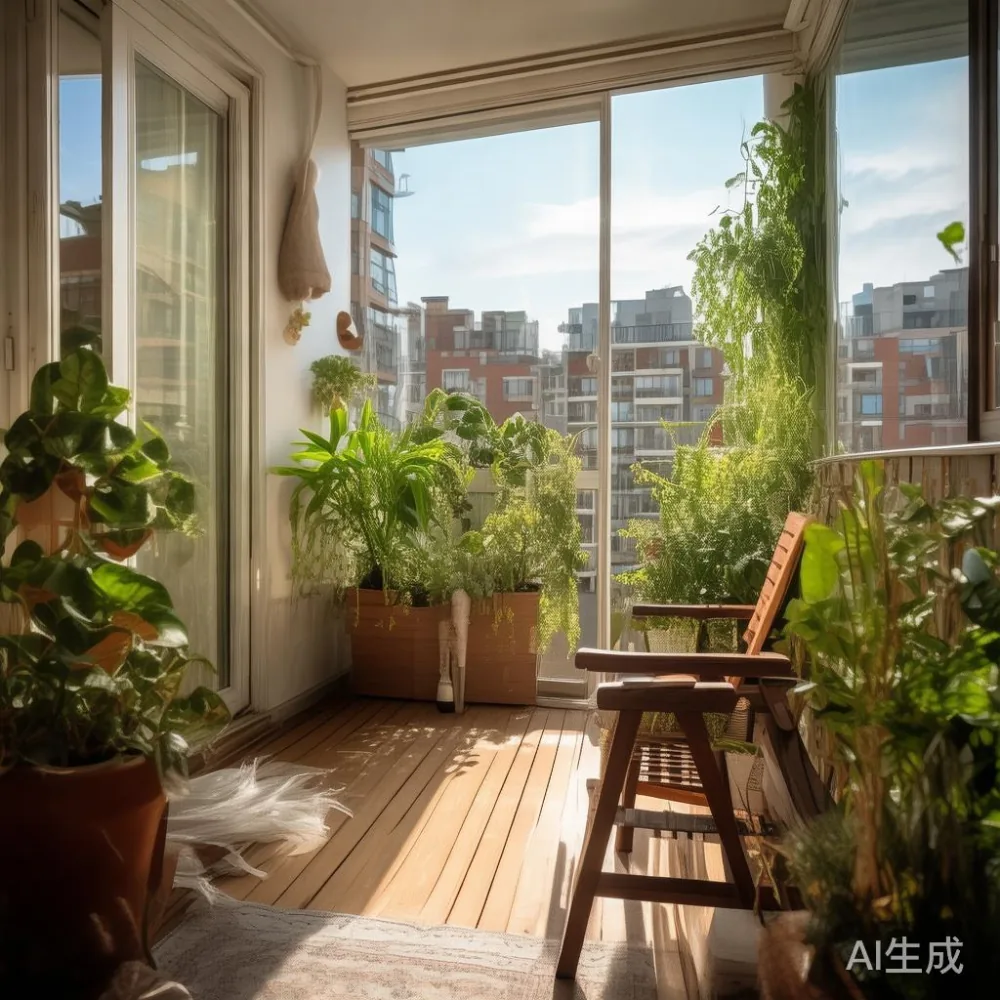
This guide explains how to clean, protect, and inspect lacquered solid wood balcony furniture while keeping its colour and sheen. It also covers the small details that matter in Singapore homes: checking lift dimensions, allowing for corridor turns, dealing with GST, and scheduling delivery around monsoon periods. MIDHILL has exported solid wood furniture to more than 15 countries since 2008, and this guide reflects the care needed for lacquered pieces used in warm, humid environments.
Can lacquered balcony furniture survive Singapore’s humidity and rain?
Lacquer can provide a useful barrier over properly prepared wood, but it is not waterproof. A high-quality finish may tolerate brief splashes if the surface is dried promptly; continuous rain, standing water, and trapped moisture can still cause swelling, peeling, mould growth, or a cloudy finish. The difference often comes down to product quality and installation rather than the word “lacquer” alone.
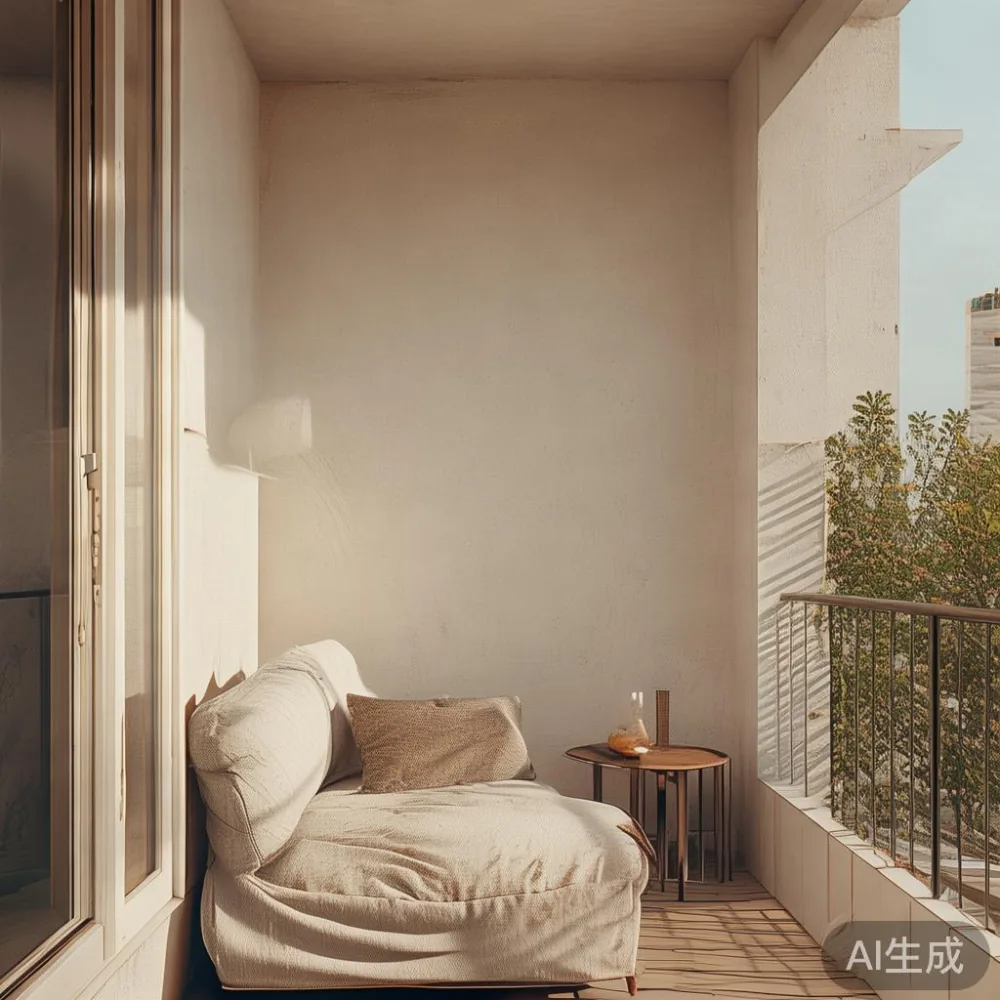
For a solid wood dining table, ask whether the lacquer is a factory-applied multi-coat system and whether all sides, including the underside and end grain, are sealed. A balanced solid wood dining table with a 120 cm by 70 cm top may weigh 28 kg to 42 kg, depending on its timber and frame. That weight needs a stable base and careful transport, particularly through a lift lobby.
Rain exposure should be graded. A covered balcony in Bedok is a lower-risk location than an open east-facing balcony in Punggol. Even under a canopy, check the furniture after a 15-minute shower because wind can drive droplets sideways. Use the furniture as intended, but move it under cover when a forecast indicates several hours of rain.
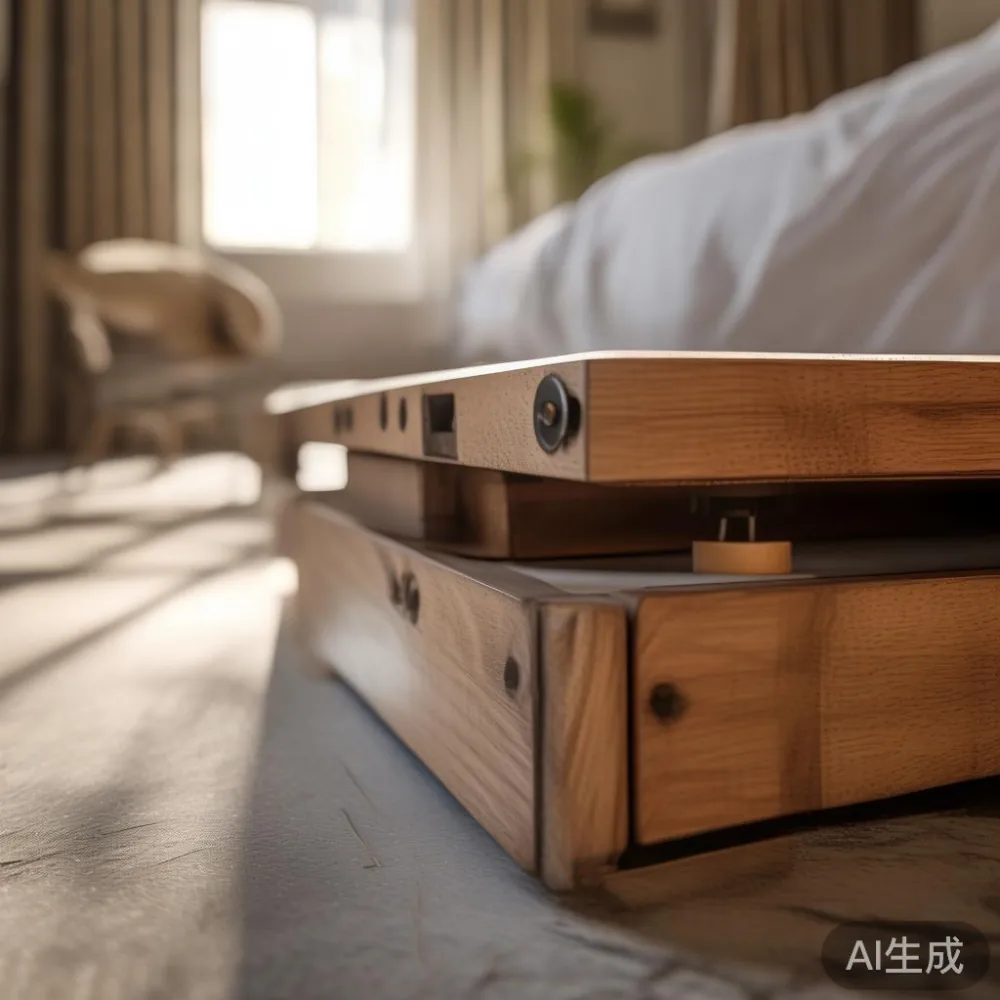
Lacquered surfaces also need protection from ultraviolet light. Singapore’s midday UV index frequently reaches 11 or 12. Place a solid wood bed frame, wardrobe, or nightstand away from direct sun where possible, and use balcony blinds or a UV-filtering screen. Furniture that receives 4 hours of direct morning sun should be inspected every 3 months, while shaded pieces may only need a 6-monthly check.
One real experience came from a colleague who visited a client’s HDB flat in Tampines last month. She tested a lacquered balcony side table beside a west-facing window. After 8 weeks, a white paper towel left a pale imprint on the top, showing how airborne dust and oily hand residue had combined with condensation. Wiping the surface with a lightly damp microfibre cloth every 7 days kept the finish clear. This simple routine mattered more than applying an additional glossy product every month.
What cleaning method is safe for lacquered wood?
Start with the mildest effective method. Dust the surface weekly with a dry, clean microfibre cloth or a soft natural-hair brush. For marks, use a separate cloth dampened with warm water and a drop of mild dishwashing liquid. Wring it until only damp, wipe the area, and dry with a second cloth within 2 minutes.
Never soak the top, flood the joints, or spray cleaner directly onto furniture. If the lacquer already has a crack, standing water may enter the timber beneath it. Test an inconspicuous 5 cm by 5 cm area first, especially on a dark finish where cleaner residue can appear as a pale ring.
Avoid bleach, ammonia, alcohol, abrasive pads, wire wool, and concentrated cleaners. They can dissolve lacquer, dull the sheen, or leave the finish inconsistent. Baking soda is not a good substitute for controlled cleaning: its fine particles can scratch a glossy surface when rubbed.
For sticky residue, allow one drop of mild detergent to sit for 30 seconds and then wipe it away. For insect marks, use a barely damp cloth rather than scraping. A stain that cannot be removed with this method may need professional refinishing rather than stronger household chemicals.
Clean spills immediately. Ring marks from a wet cup should be addressed within 10 minutes. Wipe outward from the mark, then dry the entire surface. If a lacquered solid wood sofa has an outdoor-grade cushion, remove and wash the cover according to its care label; cushion fabric should not be assumed to tolerate the same treatment as the timber frame.
How should I protect the finish from condensation, sun, and salt?
Condensation is a common issue near open windows, air-conditioner vents, and glass balcony doors. In Singapore, a surface can be 3°C to 6°C cooler during a downpour, so humid room air may condense on it. Wipe visible droplets every day during wet weather and keep at least 20 cm of air circulation around tables and chairs.
Use coasters and trivets even if the lacquer feels smooth. A ceramic coaster with a 10 cm diameter reduces repeated contact with condensation. A hot metal pot should never be placed directly on the finish; use a heat-resistant pad rated for at least 80°C and let the pot cool before removing it.
Do not apply generic furniture polish unless the product explicitly states that it is safe for lacquer. Some polishes contain silicone, solvents, or oils that create a temporary shine but make future cleaning harder. A good routine relies on gentle washing, careful drying, and physical barriers rather than building up multiple coatings.
For coastal properties, rinse salt residue from nearby fixed surfaces and dry the lacquered furniture with a clean cloth after storms. Salt attracts humidity, and repeated wet-dry cycles can leave a chalky film. Outdoor cushions should be turned over when not in use so trapped moisture does not remain against the frame.
Furniture covers can help, but only breathable materials should touch lacquered wood. A plastic sheet wrapped tightly around a table can trap condensation, while a fitted cover with ventilation openings is more suitable. Secure covers so wind cannot flap them against the finish at 15 km/h or more.
How often should lacquered balcony furniture be inspected?
A reasonable schedule depends on exposure. Inspect a shaded, covered balcony every 2 months. Check an exposed balcony monthly, and after any heavy rain, hail, or strong wind event. Inspect before and after the monsoon periods, usually from November to January and April to May in Singapore.
Look for 5 common warning signs:
- Fine cracks longer than 10 cm, especially near joints or end grain.
- Peeling or lifting along an edge that has stayed wet.
- A dull, whitish haze that returns after cleaning.
- Softness, swelling, or a hollow sound beneath the lacquer.
- Dark spotting around screw holes, joints, or the underside.
Do not paint over peeling lacquer with ordinary household paint. Paint can trap moisture and conceal the damaged area. Photograph the affected section, measure it in centimetres, and contact the manufacturer for assessment. MIDHILL offers a 10-year structural warranty and lifetime refinishing on qualifying products, so original purchase details and care records are useful when arranging service.
Check fixings every 6 months. A balcony chair exposed to wind may experience more movement than one indoors, so tighten screws after checking that the wood is not splitting. Replace a damaged screw with the specified size and type rather than using a longer screw that can split the frame.
For storage, clean and dry the furniture completely before covering it for at least 12 hours. Raise it off the floor by 10 cm, use a breathable cover, and avoid a closed storeroom with persistent dampness. If space is limited, position the pieces so air can circulate on all sides.
Can I fit lacquered balcony furniture through my HDB lift and condo corridor?
Measure before ordering. HDB and condo access varies by block, and a table that fits the lift door may still fail at a right-angle corridor turn. Record the narrowest lift door width, internal lift depth, internal width, internal height, and the distance from the lift lobby to the balcony entrance.
A useful lift entry rule is to allow 2 cm of total clearance. For example, a 92 cm wide lift door can accommodate a disassembled component no wider than about 88 cm. The internal diagonal should also be checked: a 100 cm by 70 cm tabletop may pass through a 90 cm wide door when turned, but only if the lift depth and ceiling height permit the angle.
For a solid wood dining table, confirm whether the top separates from the base. A 160 cm by 80 cm dining table may be too large for one HDB lift and might need a 2-piece top. A lacquered solid wood sofa may arrive as separate modules, while a bed frame or wardrobe is easier to transport flat-packed. Ask for the largest component’s dimensions rather than relying only on the assembled size.
Corridor turns need more space than people expect. Leave at least 10 cm around corners when manoeuvring a protected component, and remove door props only with permission from building management. Reserve the lift if permitted by the property office, especially during a 30-minute delivery window.
Confirm whether the delivery includes carrying the furniture to the balcony door or into the unit. Stair carry, lift reservation, and upper-floor access should be stated in writing. For a light luxury sofa vs Italian light luxury sofa comparison, buyers should compare modular dimensions and delivered access, not just profile and price. A French light luxury or post-modern light luxury design may use long legs and slim arms, which can make each module easier to handle but not guarantee lift access.
Singapore GST is normally 9%. A quoted product price of SGD 2,500 before GST becomes SGD 2,725 with GST. Delivery charges, installation, and removal of packaging should be shown separately so the total remains clear.
How can lacquered balcony furniture work with an apartment interior?
A balcony is part of the home’s visual composition, not a separate warehouse for occasional furniture. Repeat one or two colours from the living room and keep the arrangement practical. A 90 cm solid wood sofa with a light cushion can sit near a 60 cm square marble table if the balcony width allows at least 45 cm of walking space around the table.
For compact interiors, research how to style Japanese sofa in apartment layouts because low profiles can preserve views and make a 120 cm by 300 cm balcony feel less crowded. A slim solid wood sofa should leave 70 cm of clearance in front of it, or 60 cm when used only for occasional seating.
Designers often ask about American sofa vs Mid-century modern sofa distinctions when choosing balcony seating. American sofa vs Mid-century modern sofa is a poor shortcut: both terms describe broad visual languages, and the actual dimensions matter more for a narrow HDB balcony. Tapered legs can visually lighten a piece, while a deep seat may make circulation difficult.
The same practical approach applies to storage. If the balcony contains a lacquered wardrobe, study how to style Japandi wardrobe in bedroom principles even when the unit remains outdoors: use pale wood, plain lines, concealed handles, and a clear vertical path. A balcony wardrobe placed beside a nightstand should have a 5 cm ventilation gap at the back and the side.
For bedroom products, the question of Japanese bed vs Nordic bed depends on the room rather than nationality alone. Japanese bed dimensions may suit a compact room, while a Nordic-style solid wood bed frame often uses visible supports and a lighter visual profile. A 160 cm by 200 cm bed needs 60 cm on at least one side for drawers and daily use.
When choosing a compact sofa, a practical guide to how to choose Japanese sofa should cover seat height, depth, arm clearance, and the route from the lift. If a client asks how to choose Japanese sofa, avoid assuming that every low model suits every balcony. A 38 cm seat height may feel formal to some users, while a 43 cm seat is easier for older adults. A slim solid wood nightstand with a 40 cm width can hold a cup and phone without reducing the walkway.
A light luxury solid wood sofa, bed frame, dining table, wardrobe, nightstand, or marble table should share a restrained visual language. Marble table surfaces require their own care: use a pH-neutral stone cleaner, wipe acidic juice within 5 minutes, and avoid vinegar and lemon-based products. The lacquered timber beneath or beside the marble still needs separate drying and inspection.
What should happen on delivery day?
Choose a dry delivery window when possible. Before unpacking, photograph the carton, corners, and any visible fastener marks. Check the package against the delivery note and confirm the product category and dimensions. A dining table should be inspected for movement, finish marks, chips, and loose joints before it is accepted.
Keep protective packaging on while moving the piece into the flat. This reduces scratches and fingerprints on lacquer. Use felt pads under table and chair legs, and do not drag furniture across tile or concrete. If a piece must be tilted, protect the lacquered corner with a 2 cm thick pad.
MIDHILL provides free shipping on orders over US$350 for qualifying destinations, although local Singapore delivery terms should be confirmed before purchase. Typical lead times should be stated in days rather than vague phrases, with an estimated window such as 7 to 14 days for stocked items and 30 to 45 days for made-to-order furniture. For local orders, GST of 9% should appear on the final invoice unless the customer has a valid GST-registered business arrangement.
Check the 14-day return policy and arrange assembly before using the furniture outdoors. Lacquer can be damaged by incorrect assembly, over-tightening, or placing untreated hardware directly against wet timber. Keep the care leaflet, finish specification, and warranty documents together in a dry folder.
What is the best long-term care routine for tropical conditions?
Use a simple rhythm: dust weekly, wipe spills immediately, check after storms, and inspect the finish every 2 to 6 months depending on exposure. Clean the underside and joints, where moisture can remain unnoticed. Dry the furniture within 10 minutes of cleaning, and move it under cover before prolonged rain.
Do not wait for peeling to appear. If lacquer begins to lift, stop cleaning that section with water, keep it dry, and arrange assessment. If a chair leg develops a split, unload the chair rather than continuing to use it. Structural warranty covers eligible structural issues, while surface refinishing is a separate service question, so detailed records help.
A well-maintained lacquered finish can retain its colour and reflective quality for years in a covered Singapore balcony. The decisive factors are shelter, airflow, prompt drying, and restrained cleaning. With those habits, balcony furniture can remain comfortable and visually coherent while respecting the rain, heat, and salt conditions that make tropical care different.