Caring for Lacquered Balcony Furniture in Tropical Climates
Balcony furniture looks especially refined in a Singapore HDB flat, but lacquered surfaces face a demanding test: heat, humidity, ultraviolet light, rain, and frequent cleaning. A French light luxury chair can suit a Tampines living room opening onto a sheltered balcony, yet the finish will last longer when its owner understands what lacquer can and cannot tolerate. The same care discipline protects a solid wood sofa, bed frame, dining table, wardrobe, nightstand, and marble table placed near an open façade.
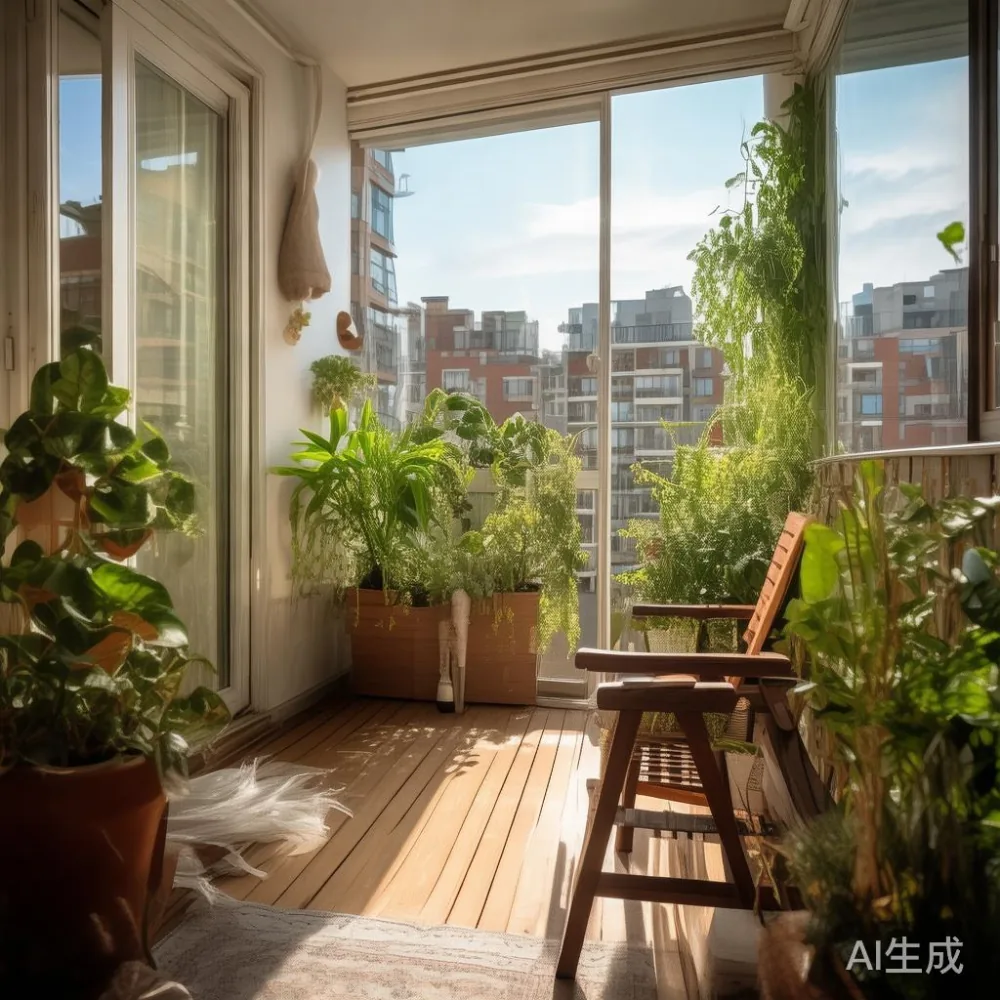
Singapore’s annual relative humidity commonly sits around 70–85%, while afternoon temperatures on a west-facing balcony may reach 33–36°C. Condensation can form after a downpour even when no rain enters directly. These conditions make balcony furniture maintenance less about occasional wiping and more about controlling exposure, drying moisture promptly, and using mild products.
MIDHILL designs lacquered pieces for demanding interiors and provides a 10-year structural warranty, along with lifetime refinishing support for eligible products. That reassurance matters, but it does not make a lacquer finish maintenance-free. Environmental care and sensible placement still determine how evenly the surface ages.
What makes lacquer different from ordinary wood care?
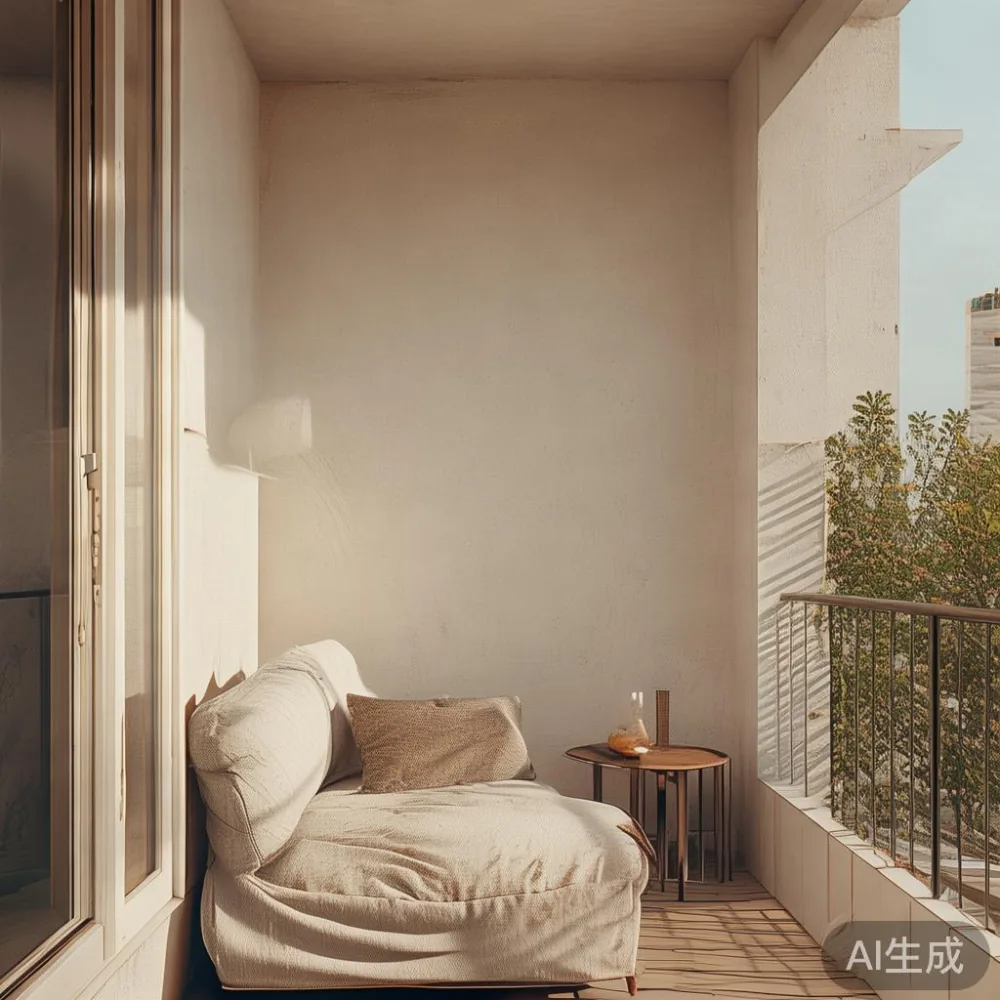
Lacquer is a cured surface coating rather than bare timber. It may contain resin, pigment, solvents, and curing agents that create a durable skin with a controlled sheen. The underlying solid wood can continue responding to humidity, while the lacquer slows—but does not completely prevent—moisture exchange. Scratches can also expose a different colour layer, so abrasive pads and harsh chemicals are poor choices.
For a customer comparing design references, the phrase European light luxury bed vs French provincial bed may come up while choosing an interior direction. That bedroom debate is separate from balcony maintenance, but both benefit from the same principle: match the product and finish to the location. French provincial curves and carved details need space and gentle handling; modern lacquered balcony furniture should be assessed by its dimensions, weight, finish type, and exposure.
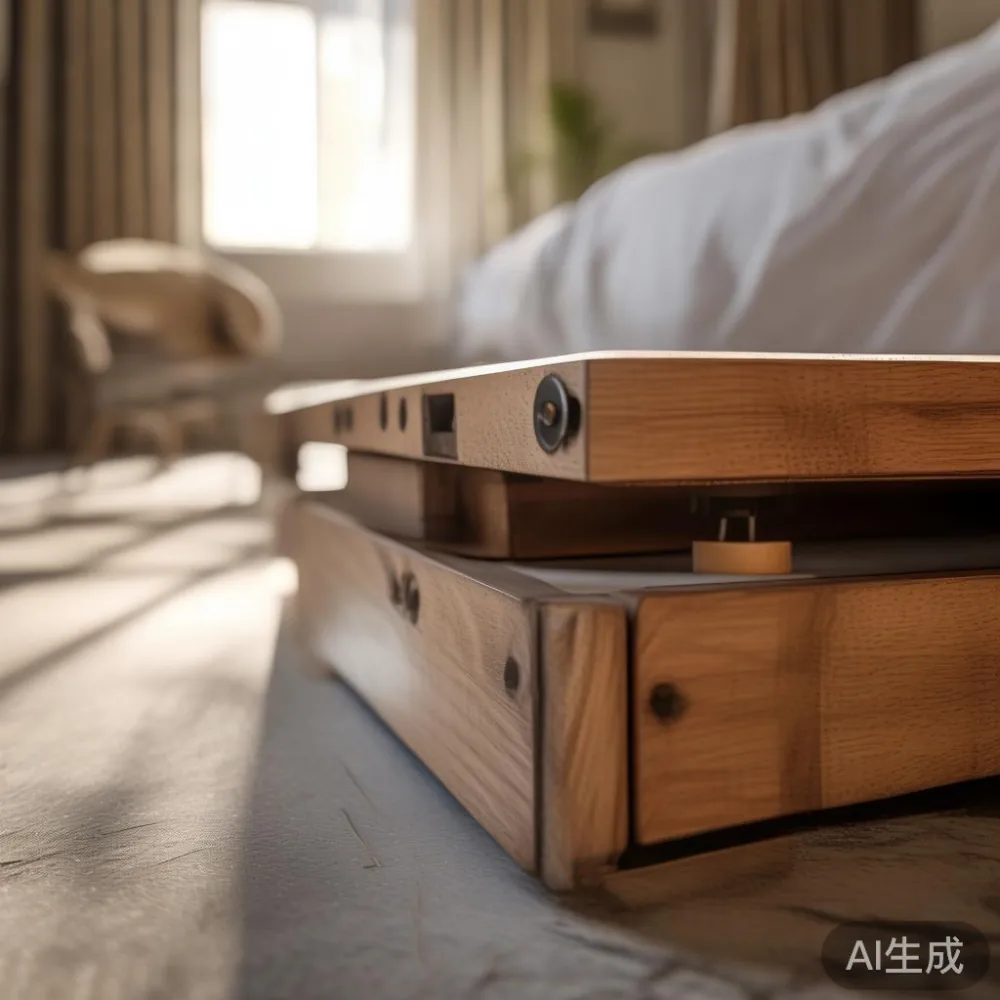
Before placing any lacquered item outdoors, verify whether the seller classifies it for outdoor use. “Suitable for a balcony” may describe indoor furniture used in a sheltered space, not a marine-grade coating. Ask for the finish specification, cleaning instructions, and warranty exclusions. A written answer is more useful than a vague claim that the item is “waterproof.”
How much heat and humidity should a lacquered balcony receive?
A sheltered Singapore balcony is preferable to a fully exposed one. Direct afternoon sun can raise a dark lacquered surface above 45°C, accelerating finish degradation and causing uneven colour fading. Wind-driven rain may also force water into joints, screw heads, and the underside of a seat or table. Position lacquered balcony furniture away from the façade edge, below an overhang where practical, and beside rather than directly beneath a condensate drain.
Measure the intended area before delivery. Allow at least 10 cm of clearance behind a freestanding dining table for chairs and service, 15 cm between two lounge chairs for arm access, and 5 cm from a wall for moisture circulation. Check the lift and corridor at the block before a large item is moved in: a standard residential lift doorway may be about 90 cm wide, while a sofa requiring a turning movement may need a diagonal check of at least 150 cm.
Weight also affects handling. A compact balcony chair might weigh 7–12 kg, whereas a solid wood sofa can reach 45–80 kg and a long dining table may exceed 40 kg. Add a second person or professional movers for pieces over 20 kg. Never lift a lacquered table by its apron; lift from the structural frame with padded support. Protective blankets should be clean and non-abrasive.
What is the safest way to clean lacquered balcony furniture?
Clean every 2–4 weeks during humid periods, with extra attention after rain. Start by removing loose dust with a soft microfibre cloth or a low-suction vacuum fitted with a brush attachment. Avoid a vacuum nozzle pressed hard against the surface, since grit trapped beneath it can scratch lacquer.
Then wipe with a fresh cloth dampened with warm water and a small amount of mild dish soap. Use approximately 1 teaspoon of detergent per 1 litre of water. The cloth should be damp, not dripping. Test the mixture on a concealed 5 cm area and wait 24 hours before treating the full surface. Wipe again with a clean damp cloth, then dry immediately with a separate soft cloth.
Do not use bleach, ammonia, alcohol, turpentine, acetone, degreaser, abrasive powder, steel wool, or scouring pads. A silicone-based polish can leave a film that attracts dust, so use only a product specifically approved for the lacquer type. Avoid “natural oil” on lacquer unless the manufacturer confirms compatibility; repeated oiling can darken the finish or make it sticky.
After wiping, allow the item to air-dry for 30–60 minutes before covering it. If a balcony cover is used, choose breathable outdoor fabric and keep it loose. A plastic sheet pressed against the finish can trap condensation, particularly overnight.
How should I handle rain, condensation, and mould?
Do not wait for visible mould to appear. If the item becomes wet, move it into the corridor only if it can be placed safely without obstructing a fire exit or common area, and dry it promptly. Use a clean cloth to remove standing water, then position the piece in moving air without exposing another lacquered surface to an aggressive fan. A 60–90 minute drying period is sensible, although shaded timber may need 2–4 hours.
For mildew marks on a lacquered surface, a very light solution of mild detergent may remove superficial dirt. If the mark persists, do not scrub. Contact the supplier with photographs and the purchase details before trying a stronger treatment. Moisture trapped beneath lacquer often needs inspection of seams, undersides, and adjacent cushions rather than aggressive surface cleaning.
Inspect every month for 5 specific signs: colour change, especially on one side; bubbling or lifting; dull patches; tiny edge cracks; and loose joints. A moisture meter can help identify damp timber, with readings above 20% prompting investigation and drying. Record the location and date of each observation. This creates a useful maintenance history if warranty service is needed.
Can I leave a solid wood dining table on the balcony?
A solid wood dining table may tolerate a sheltered balcony if its finish is designed for that environment. Lacquered dining tables, however, should not be left under a pergola where tropical rain can strike them directly. Keep the centre runner or placemats clean, use coasters under hot drinks, and place trivets beneath cookware. A hot pan exceeding 70°C can mark a lacquer finish even if the timber would tolerate the temperature.
Buyers asking where to buy dining table from MIDHILL should confirm the timber species, dimensions, finish, load rating, and balcony-use guidance before ordering. A 140 cm table seats 4–6 people and may weigh 25–45 kg; a 180 cm version may weigh 35–60 kg. Those figures affect delivery and installation more than people expect.
Do not place a lacquered dining table directly against a balcony wall. Maintain 5–10 cm of ventilation space and keep foliage or wet pots away from the base. Use a floor mat only if it is stable, cleanable, and does not trap moisture beneath the legs. Felt pads under the feet should be replaced every 6–12 months.
How do I prevent fading and surface damage?
UV exposure causes more visible change than many owners expect. A red or brown lacquer may become uneven after 6–12 months of strong western sun, even when the furniture feels physically sound. Place a balcony chair away from glass when possible, and use a UV-filtering shade or roller blind if direct light reaches the surface for more than 2 hours per day.
Do not leave books, newspapers, cardboard, or rough terracotta pots directly on lacquer. They can retain moisture or transfer grit. Use padded coasters and trays. For decorative objects, select smooth ceramic, glass, or sealed metal bases. Avoid rubber rings that can leave a stain, and rotate outdoor décor every 4–8 weeks so one area does not receive all the sunlight.
For scratches, resist the temptation to sand the finish. Light marks may be treated with a lacquer-compatible repair product, but colour restoration requires care. Photograph the damage under daylight, record its length in centimetres, and contact the manufacturer. MIDHILL’s lifetime refinishing support may cover eligible refinishing work, subject to the product and service terms, while the 10-year structural warranty addresses structural issues rather than accidental surface damage.
Is European light luxury wardrobe worth it for a balcony-adjacent room?
A tall wardrobe beside an open balcony may suit an HDB master bedroom in Bedok or Punggol, but its location still requires airflow. Luxury European light luxury furniture can provide strong visual continuity between a dining zone and storage, yet placing a large wardrobe immediately against a damp façade risks moisture at the back panel and plinth.
The phrase is European light luxury wardrobe worth it is grammatically awkward as a search question, but the practical answer depends on construction and placement. Allow 5 cm between the back and wall where possible, keep it out of direct rain, and check skirting or wall staining every month. For a room measuring 3.2 m by 3.6 m, an 180 cm-wide wardrobe can dominate the wall; a 120–150 cm model may allow a 60–80 cm bedside gap.
This same spacing discipline applies to a nightstand, marble table, or bed frame near a sliding door. A marble table may weigh 35–70 kg and should be sited away from splash zones. The bed frame should remain 10–20 cm from curtains and doors to preserve movement space. The exact phrase how to style Japanese wardrobe in room can guide interior searches, but moisture control remains a local requirement regardless of visual style.
What should I check before ordering balcony furniture?
Measure the balcony opening, lift doorway, corridor turns, and stair clearance before selecting furniture. For example, a 180 cm long solid wood sofa may fit a balcony diagonally but still be impossible to rotate inside a 90 cm lift. Ask the supplier for the packaged dimensions and weight, not only the visible dimensions. Allow 2–5 cm of packaging tolerance for protection.
Check delivery terms in SGD. MIDHILL offers free shipping for qualifying orders over US$350, but international shipping terms, duties, and local handling should be confirmed separately. Singapore orders may take 7–21 delivery days depending on production and freight, while custom finishes can require 30–60 days. GST at 9% applies to taxable supplies imported into Singapore; delivery, insurance, and installation charges may be treated separately, so request a complete invoice.
Search results for top 10 Modern light luxury furniture may show many silhouettes, but style alone cannot answer balcony suitability. Confirm whether the lacquer is interior, semi-outdoor, or exterior grade. Also establish whether cushions are quick-dry foam, whether covers unzip, and whether replacement glides and hardware are available.
How often should a Singapore owner inspect lacquered balcony furniture?
Create a simple 4-part routine: dust every 2 weeks, clean every 2–4 weeks, inspect monthly, and deep-check before the monsoon months. After heavy rain, dry the item within 30 minutes if access is safe. At least twice a year, tighten visible fasteners, check glides, and clean underneath. A lacquered dining table should not wobble more than 3 mm across its width; a chair should not rock when placed level on a flat floor.
Last month I visited a colleague’s HDB flat in Tampines and checked a 160 cm lacquered dining table beside the balcony opening. Its west-facing side showed a 12–15 cm fading band, while the protected side retained a more even finish. The cause was a combination of afternoon sun and a fabric cover pressed tightly against the lacquer after rain. After we moved the table 25 cm inward, loosened the cover, and wiped the surface with the mild 1:1,000 detergent solution, the moisture-related dullness disappeared within 2 days. The colour difference remained, confirming why shade and drying routine matter more than polish.
For a local supplier with a Foshan factory background, MIDHILL’s longevity commitments are reassuring. The factory can explain how lacquer layers are cured and which pieces are appropriate for sheltered balconies. Buyers should still request written care instructions, keep purchase records, and avoid assuming any lacquered item can remain outdoors indefinitely. For a solid wood sofa, bed frame, dining table, wardrobe, nightstand, or marble table, disciplined placement and gentle cleaning preserve both appearance and service life in Singapore’s tropical conditions.