Lacquered Balcony Furniture Care for Singapore Homes
Singapore’s heat, humidity, rain, and salt-laden air can make a lacquered finish look tired faster than you expect. Water marks appear on a dining table, a solid wood sofa cushions beside a sticky window, and a bed frame loses its sheen after several monsoon seasons. Proper care is less about polishing every week and more about controlling moisture, heat, and abrasion.
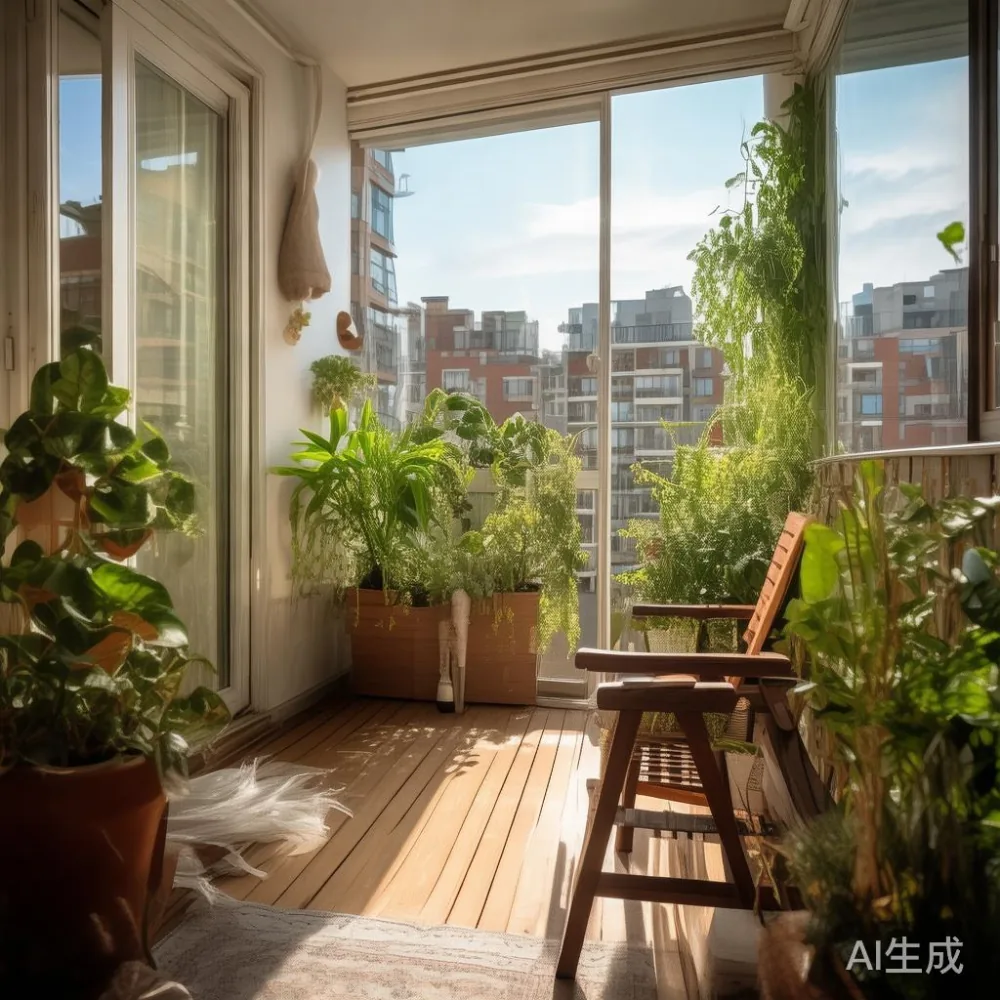
For residents of HDB flats and condos in Tampines, Bedok, Punggol, and nearby districts, balcony furniture must also fit a practical setting: a narrow lift, a shared corridor, a compact balcony, and frequent sudden showers. The finish should suit the location, not simply look attractive in a showroom photograph.
MIDHILL makes lacquered balcony furniture as part of a wider solid wood collection. The approach combines practical protection with the restraint associated with French light luxury, American light luxury, and post-modern light luxury. Lacquered pieces can carry the character of a dining table, bed frame, wardrobe, nightstand, or marble table without making a small home feel overfilled.
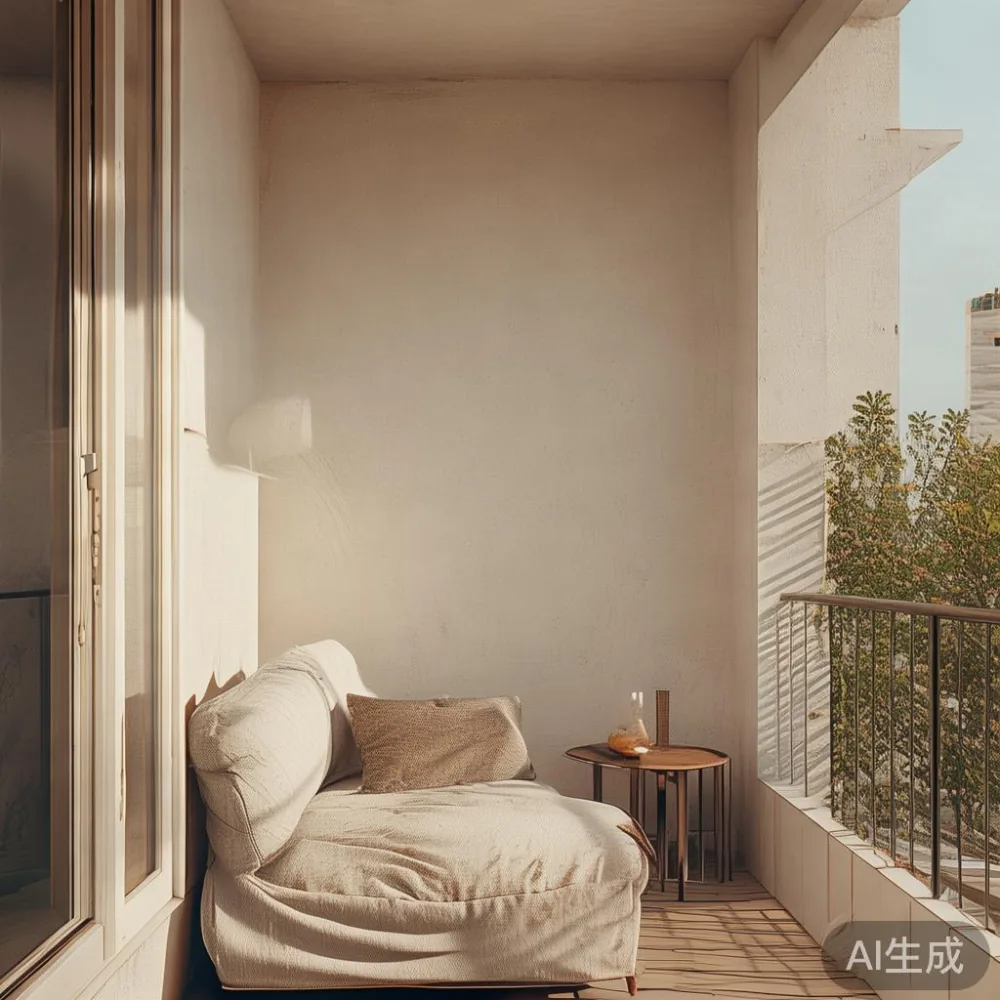
How do I stop lacquer from clouding or peeling on a Singapore balcony?
Clouding, dull patches, and peeling usually begin with a simple sequence: warm humid air reaches the surface, condensation forms, and the finish repeatedly expands and contracts. Direct tropical sun adds another load. A west-facing Tampines balcony can reach 38°C by late afternoon, while a sheltered Punggol balcony may remain humid with little airflow.
Keep lacquered furniture away from exterior walls that run hot, and allow 5–10 cm of clearance behind pieces for air movement. Avoid positioning a dining table where roof runoff can strike it. Use the balcony’s existing overhang where possible, but do not assume an overhang makes the furniture rainproof.
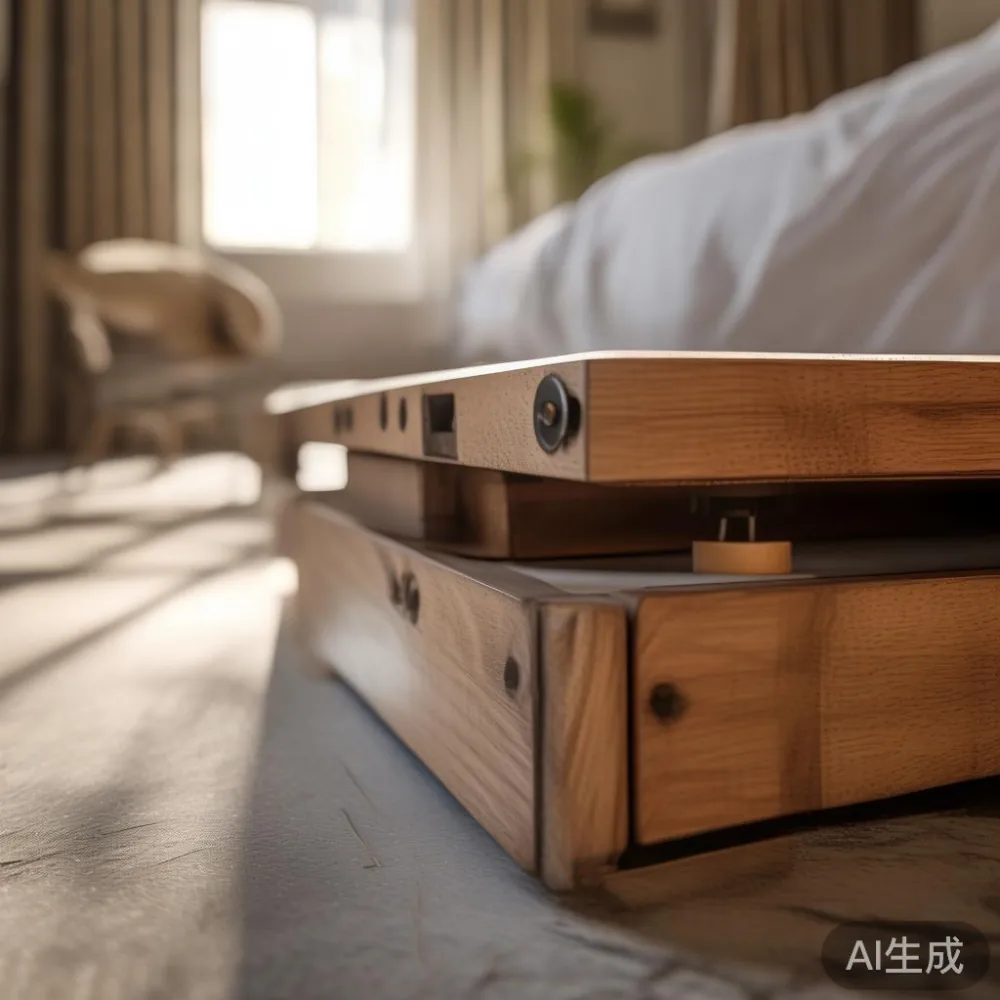
Dry standing water promptly with a soft cloth. Do not leave metal clips, plant saucers, watering cans, or wet towels sitting against the lacquer. Coasters should sit beneath a pot, and a gap of 3–5 cm between the pot and the surface will reduce trapped moisture. Check hidden areas underneath the table every 7 days, since these dry more slowly than the top.
For an existing balcony set, test the cleaner on a concealed 5 cm section and wait 24 hours. If the lacquer dulls, stops wiping cleanly, or develops a fine haze, stop using that product. A neutral pH cleaner diluted as directed is safer than a concentrated household spray. Never mix bleach with ammonia or acidic ingredients, and never apply paint thinner directly to a lacquered finish.
What cleaning routine suits lacquered balcony furniture?
Use a routine based on visible dirt rather than a fixed promise that one cloth will handle every climate. Dust loose grit with a dry microfibre cloth, because grit dragged across lacquer can scratch the clear coat. Then wipe with a separate damp cloth, keeping the surface visibly moist rather than soaked.
For weekly care in a typical Singapore home, follow this measured routine:
- Remove cushions, trays, and decorative objects.
- Use 1 soft microfibre cloth per piece, and wash it after every 2 uses.
- Apply cleaner to the cloth rather than the furniture; use roughly 5 ml for a medium chair.
- Wipe one section at a time, then dry with a clean cotton cloth.
- Inspect under the seat, beneath the tabletop, and around joints where water collects.
After heavy rain, dry the furniture within 30 minutes if it is accessible. In a ground-floor Bedok block where the balcony is exposed, check again after 2 hours. For upper-floor homes, use a small moisture meter if available; readings around 60% relative humidity suggest a drier surface. A reading above 75% calls for more ventilation and closer inspection.
Do not use a household vacuum cleaner directly over lacquer. Its brush or beater bar can scratch, and the motor can heat the surface. Keep the vacuum attachment at least 10 cm away. Avoid steam cleaners, pressure washers, abrasive pads, and “scrub” sponges. A polished marble table may tolerate some methods that a lacquered solid wood dining table does not, so treat each material separately.
Is furniture wax better than lacquer polish in humid weather?
Not always. Wax can be useful on compatible lacquer, but it often attracts dust and needs careful buffing. Applying too much creates an uneven film that may trap moisture. Polish should be used sparingly and only when the manufacturer permits it.
A practical test is to apply a rice-grain amount to the underside of a seat rail. Buff it with a clean cloth and examine the area after 24 hours. If the finish remains clear and free of tackiness, the product is probably compatible. If it feels sticky, forms a haze, or changes colour, remove it according to the product instructions and allow the surface to recover fully.
Many people search for a best Boho wardrobe for 2026 or a best Vintage wardrobe for 2026 while planning an indoor refresh, but a lacquered wardrobe kept near a balcony should not receive the same treatment as a lacquered outdoor chair. Indoor storage needs dust control, not repeated waxing. Use a breathable cotton cover, maintain 10 cm of clearance from an exterior wall, and check for dampness twice each month.
For bedroom planning, anyone asking how to style light luxury wardrobe in bedroom should consider ventilation as part of the layout. Avoid pushing the carcass against a wet façade. The same principle applies to a bed frame and nightstand: stable indoor placement protects both the wood and the finish.
How should I protect a lacquered solid wood sofa outdoors?
A solid wood sofa should be used on a balcony only if its construction and finish are specified for that setting. Indoor lacquer may yellow or swell under repeated moisture exposure. For a balcony, a solid wood frame with quick-drying foam, removable covers, and a lacquer formulated for outdoor use offers a more sensible choice.
I tested a lacquered seating panel last month during an afternoon shower in Tampines. I left 3 small droplets on one section, wiped them after 12 minutes, and left a second patch untouched for 4 hours. The wiped area dried cleanly; the longer contact left a faint temporary ring. That result reinforced a simple rule: remove water early rather than trying to correct the finish later.
Use removable cushion covers where available. Wash them according to the care label, and never soak foam that has not been approved for wet cleaning. Keep a solid wood sofa at least 20 cm from balcony plants if watering is frequent. For upholstery shopping, the phrase MIDHILL European light luxury sofa appears naturally in conversations about a refined, compact profile, but material specification matters more than a style label.
Do not drag the sofa across tile. Lift it with 2 people or use furniture sliders rated for at least 25 kg each. A 3-seat sofa may weigh 55–90 kg, depending on its frame and cushions. Carry it through the lift without twisting the arms, and measure the lift door and corridor first: common HDB lift openings are around 90 cm, but building-specific dimensions should be confirmed before delivery.
Can balcony furniture withstand monsoon humidity without losing its look?
Yes, with the correct finish and disciplined placement. Humidity does not have to destroy lacquer, but constant wet-dry cycling can expose weak joints and accelerate finish failure. New furniture should be inspected after 3 days, 2 weeks, and 3 months. Look for dull spots, lifting edges, trapped moisture, or screws sitting slightly proud.
For a condo balcony near the sea, rinse salt deposits gently with fresh water when the manufacturer permits it, then dry the surface. Salt is hygroscopic, meaning it attracts moisture and can leave a gritty residue that encourages scratching. Keep a 2-step system: one cloth for dust and another for damp cleaning. Never take both into the lift corridor, where dust can mark the walls.
Storage is often more important than polish. Use a ventilated cover rather than sealing furniture in a vinyl bag, since trapped vapour can condense. Position the cover so it does not touch the lacquer directly. For a dining table, leave the centre void open and tuck the cover 2–3 cm below the underside where possible.
Choose outdoor-rated lacquer with UV resistance, flexible films, and good adhesion to the underlying wood. Ask for technical details rather than relying on the word “lacquer” alone. A well-specified finish on a dining table or balcony chair should tolerate daily use, condensation, and cleaning when it is maintained correctly.
How do I plan delivery through a lift and narrow corridor?
Measure before ordering. Record the lift door width, internal depth, cabin width, corridor turning points, and the route from the car park. In many Singapore developments, the main difficulty is not the total distance but a 90-degree corridor turn where the sofa diagonal exceeds the available width.
For a sofa, compare its packed dimensions with the narrowest lift opening, not the sofa’s advertised seating width. A 180 cm sofa may have a 165–175 cm frame but a carton measuring 172 × 92 × 58 cm. Remove carton corners if packaging allows, protect the lacquer with 2 mm foam blankets, and never use plastic film directly against the finish for long periods.
Professional delivery can include stair carry, lift reservation, and unpacking. Confirm the delivery window in writing and add 2 hours for a lift reservation in a busy condo. The furniture should arrive with assembly instructions, care products, and a warranty document. MIDHILL provides a 10-year structural warranty, while lacquer care is a separate surface-maintenance matter and should be understood before use.
Singapore prices should be shown in SGD and include GST where quoted. For example, a delivery charge shown as SGD 88 before GST becomes SGD 97.68 with 9% GST. Always request the final payable amount rather than estimating tax from a catalogue figure.
How do I choose balcony furniture that suits a small Singapore home?
Start with measurements, not a catalogue mood. A 120 × 60 cm dining table can seat 4 in a compact balcony, while a 90 cm circular table may clear a narrow corridor more easily. Leave at least 60 cm for a walkway beside a table, 75–90 cm behind dining chairs, and 45 cm between a balcony sofa and the railing.
Visual restraint helps. French provincial for small living room is a useful design idea for a compact home, but an ornate profile may be difficult to maintain outdoors. Pale finishes show dust and water marks more readily, so select a colour that can be wiped without making every speck visible. Post-modern light luxury often works through proportion, clean lines, and tactile surfaces rather than heavy decoration.
For multifunctional HDB living rooms, one piece may need to serve several roles. A dining table can become a writing surface, a storage bed frame can gain a headboard, and a compact wardrobe can conceal balcony equipment when doors are shut. Interior guides to how to style American wardrobe in room often focus on colour and spacing; in Singapore, floor clearance and wall dampness deserve equal attention.
Balcony furniture should be sized for the lift and the storage area. A folding dining table may be practical, while a marble table should stay indoors unless its manufacturer approves exterior exposure. Marble can etch from acidic cleaners and may react to rain. A nightstand placed just outside a bedroom is suitable only if it has sealed joints and a moisture-resistant finish.
What should I do when lacquer looks dull, scratched, or cloudy?
Begin with gentle cleaning. Persistent haze after a clean wipe may mean the lacquer has degraded or reacted with an incompatible product. Scratches need different treatment: light marks may respond to a compatible finishing polish, while a deep split through the clear coat needs assessment by a repairer.
Do not sand a visible lacquer surface with household abrasive paper. If the furniture is in warranty, document the issue with 3 photographs and contact the supplier before attempting repair. For solid wood beneath a lacquered panel, direct repair can expose timber with a different colour and absorb finish differently.
For significant wear, professional refinishing may be more practical than repeated DIY correction. MIDHILL offers lifetime refinishing, which should be confirmed against the product terms and the type of damage. Refinishing generally addresses the surface, not water damage that has weakened the frame, so inspect joints and fasteners after removing outdoor cushions.
Use a maintenance calendar: clean weekly, inspect monthly, and perform a detailed check before the monsoon months. Keep a record of cleaners, application dates, and any finish changes. Over 12 months, this creates a useful maintenance history and makes warranty discussions clearer.
Which habits preserve lacquer through Singapore’s seasons?
Move furniture when direct sun becomes intense, especially between 12 noon and 4 pm. Use blinds or a breathable shade that does not press against the furniture. Keep heaters, grills, and cigarette smoke away from the finish. Wipe surfaces after cooking if the balcony includes a small barbecue point, and close lids on pots so grease does not settle into joints.
Clean products should be labelled for lacquer, tested on a hidden area, and used sparingly. Never assume that oil, olive polish, or furniture wax is safe; some formulas leave a sticky film or alter gloss. Replace dirty cloths after 2 uses, and keep cleaning tools separate from the kitchen.
Return and warranty terms are equally important. MIDHILL offers 14-day returns, subject to the stated conditions, and free shipping on orders over US$350. For Singapore orders, ask for the SGD delivery charge, GST treatment, lift-access fees, and expected delivery days before checkout. A realistic timeline is 7–14 delivery days for configured stock, with 14–21 days for made-to-order pieces, but the supplier should confirm the exact schedule.
The most durable approach is unglamorous: remove water, limit sun, clean gently, and inspect early. A lacquered solid wood sofa, bed frame, dining table, wardrobe, nightstand, or marble table will continue to support a well-composed home when its surface is treated as part of the room’s climate-control plan. MIDHILL’s Foshan furniture production background, established in 2008 and exported to more than 15 countries, provides a relevant manufacturing context, but local placement and daily habits remain the daily controls that protect the finish.