The True Cost of Balcony Furniture: A 5-Year Veneer vs. Solid Wood Analysis for Singapore Homes
For residents in Singapore's HDB flats and condominiums, from the wide corridors of Tampines to the compact layouts of Punggol, the balcony is more than just an outdoor space. It is an extension of the living room, a personal sanctuary, and a important area for relaxation and entertaining. Choosing the right furniture for this space involves a significant decision, especially when considering materials like veneer and solid wood. This article provides a detailed, 5-year cost comparison to help you make a financially sound and aesthetically pleasing choice for your balcony furniture.
Understanding the Materials: Veneer and Solid Wood
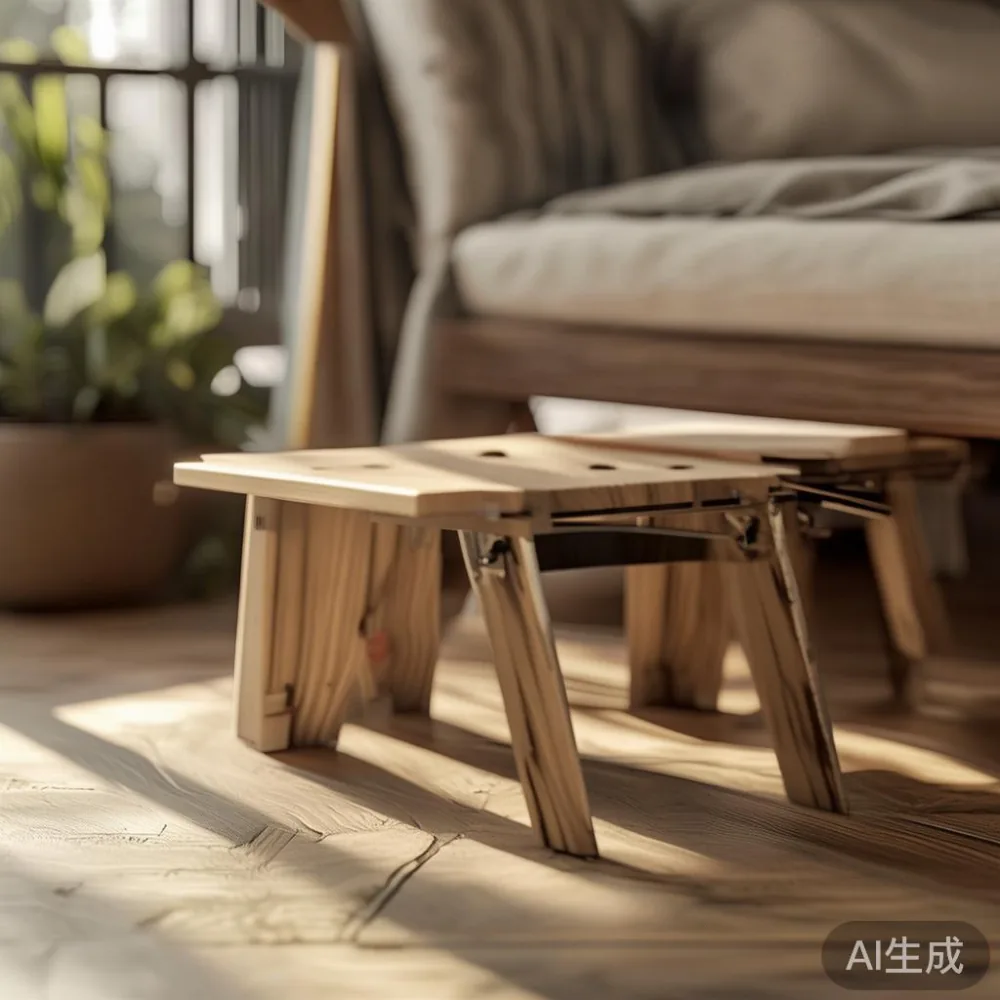
Before diving into the numbers, it is important to understand what these terms mean. Solid wood furniture is crafted from a single, solid piece of timber, such as oak, teak, or mango wood. The entire structure, from the frame to the visible surfaces, is made from this natural material. In contrast, veneer furniture uses a thin layer of real wood (the veneer) applied over a core substrate, which is often a composite material like Medium-Density Fiberboard (MDF) or plywood. The core provides shape and stability, while the veneer offers the appearance of solid wood at a lower initial cost.
The Initial Investment: A Head-to-Head Price Comparison
The most apparent difference between veneer and solid wood furniture is the upfront cost. For a standard balcony set—a table and two chairs—prices in Singapore can vary significantly based on the material and craftsmanship. A veneer balcony furniture set might cost between SGD 800 and SGD 1,200. This set would typically have a tabletop with a 1.5 cm thick veneer over a particleboard core and chairs with a similar construction. A comparable solid wood set, made from a durable hardwood like acacia or teak, would start from around SGD 2,500 and can go up to SGD 4,000 or more. The price difference reflects the higher cost of raw materials, the greater skill required for carpentry, and the inherent value of a natural, long-lasting product.
Longevity and Durability: How Do They Hold Up Over 5 Years?
The initial cost is only one part of the equation. The lifespan of the furniture is a critical factor in determining its true value. Veneer furniture is susceptible to damage from humidity, temperature changes, and physical impact, which are common in a balcony environment. The glue holding the veneer can weaken in Singapore's high humidity, causing it to peel, bubble, or warp. A small scratch or chip can easily penetrate the thin veneer layer, exposing the unattractive composite core underneath. Over five years, a veneer balcony furniture set may show visible signs of wear and tear, requiring repairs or even complete replacement.
Solid wood furniture, on the other hand, is renowned for its durability. It is more resistant to the effects of humidity and can withstand minor impacts better than veneer. Solid wood can develop a beautiful patina over time, adding character to the piece. While it is not completely immune to damage, it is far more forgiving. A solid wood balcony set, when properly maintained, can easily last for decades, not just five years. This resilience means that after five years, the solid wood furniture is still in excellent condition, retaining both its functionality and aesthetic appeal.
Is Solid Wood Balcony Furniture Really Worth the Extra Money?
This is a common question for homeowners weighing the options. The answer lies in calculating the total cost of ownership over the five-year period. Let's assume a veneer set costs SGD 1,000 and needs to be replaced after four years due to peeling and warping. The total cost over five years would be SGD 1,000 (initial) + SGD 1,000 (replacement) = SGD 2,000. A solid wood set costing SGD 3,000 might require some minor maintenance, such as sanding and re-oiling once during this period, costing about SGD 200 in materials and your own time. The total cost over five years would be SGD 3,200. While the solid wood option is more expensive upfront, the difference narrows significantly when you factor in the cost of replacement. If the veneer set needs to be replaced after three years, the total cost becomes SGD 1,000 + SGD 1,000 + SGD 1,000 = SGD 3,000, making the solid wood a better investment.
Maintenance and Repair Costs Over 5 Years
The ongoing care required for each type of furniture also contributes to the long-term cost. Veneer furniture is difficult to repair. If the veneer peels, it is challenging to re-adhere it properly. A professional repair service can charge SGD 150 to SGD 300 for a small section, and the finish may not match perfectly. Deep scratches or chips are often irreparable, leading to the need for replacement. Solid wood maintenance is simpler and more cost-effective. Minor scratches can be sanded out and the surface re-oiled or re-varnished. A bottle of high-quality teak oil costs around SGD 50 and can be applied annually to protect the wood and maintain its lustre. For a homeowner who enjoys DIY projects, this maintenance is inexpensive and straightforward. For those who prefer professional help, a full refinishing service for a balcony table might cost SGD 300 to SGD 500 every few years, but it restores the furniture to near-new condition.
The Aesthetic Value and Resale Factor
Beyond cost, there is an aesthetic and intrinsic value to consider. Solid wood possesses a warmth, depth, and texture that veneer cannot replicate. The natural grain patterns are unique to each piece, making it a statement of quality and taste. For a homeowner who appreciates French light luxury, a solid wood marble table on the balcony creates an elegant, airy feel. In contrast, veneer can sometimes look flat and artificial, especially as it ages and the finish begins to fade. When it comes time to move or upgrade, solid wood furniture holds its value much better. A well-cared-for solid wood set can be sold for a significant portion of its original price, whereas a used veneer set often has negligible resale value due to its perceived lower durability and quality.
Real-World Experience: A Balcony Transformation in Bedok
Last month, I visited a client in a Bedok condominium who was facing this exact dilemma. Her 2.5m x 1.5m balcony was filled with a five-year-old veneer set. The tabletop had bubbled in several spots, and the chairs had chipped legs. She was considering buying a new veneer set to save money. I suggested she look at a solid acacia wood set instead. She was hesitant due to the higher initial price, but she understood the long-term logic. She chose a solid wood dining table and chairs with a marble inlay for a touch of post-modern light luxury. The investment was higher, but she was thrilled with the result. The furniture felt substantial, elegant, and perfectly suited to her space. Six months later, she reported that the furniture has not shown any signs of wear, even with daily use, and she feels confident it will last for many more years to come.
Practical Considerations for Singapore Homes
Living in Singapore presents unique logistical challenges that are often overlooked. The standard width of a corridor lift in an HDB block is approximately 110cm. A large, flat-pack veneer furniture box might fit, but a fully assembled solid wood piece could be a tight squeeze. This is why many reputable suppliers offer professional delivery services. For a balcony furniture order over SGD 350, free shipping is a common perk, which includes bringing the item up to your apartment. However, the weight is a key factor. A veneer table might weigh 25kg, while a solid wood equivalent could weigh 45kg. This difference affects delivery fees and the ease of manoeuvring the furniture into your home. Also, with the 9% Goods and Services Tax (GST) applied to all furniture purchases, the price difference between materials is amplified, making the long-term value of solid wood even more compelling.
Integrating Light Luxury Styles with Your Balcony
Your balcony furniture should complement your home's interior design. For those who favour a clean, minimalist aesthetic, a solid wood bed frame or dining table with simple lines can create a smooth indoor-outdoor flow. If your living room features an American sofa with a plush, inviting feel, a solid wood balcony set with comfortable cushions can echo that sense of comfort in an outdoor setting. The choice of material allows for greater flexibility in style. You might opt for a rustic for small living room approach on the balcony, using weathered solid wood pieces to create a charming, relaxed atmosphere. Alternatively, you could choose a more refined Italian light luxury for small living room look with a sleek solid wood design and marble accents. The key is that solid wood provides a high-quality canvas for any style, from European light luxury to modern rustic, ensuring your balcony is as stylish as it is functional.
Making the Smart Choice for Your Space
When evaluating the cost of balcony furniture, it is important to look beyond the price tag. A veneer set may seem like an economical choice today, but the likelihood of needing a replacement within five years makes it a less reliable investment. Solid wood furniture, while requiring a larger initial outlay, offers superior durability, easier maintenance, and a timeless aesthetic that will enhance your balcony for years to come. For homeowners in Singapore, where space is at a premium and quality is paramount, choosing solid wood is an investment in both beauty and longevity. It ensures that your balcony remains a beautiful and functional retreat, free from the worry of frequent replacements and repairs. This long-term perspective makes the decision clear: for lasting quality and value, solid wood is the superior choice for your balcony furniture.