What Actually Drives the Price of Solid Wood Furniture — A Buyer's Guide for Singapore Homes
Last month I helped a colleague in Punggol measure her balcony before she bought a new set. The corridor outside her unit on the 14th floor was 1.2 m wide, the lift door was 900 mm, and the only access to her balcony was a single sliding panel with a 780 mm opening. That single number — 780 mm — decided everything she could buy. It is the kind of detail that nobody thinks about when scrolling through a sofa catalogue at midnight, and it is the same detail that separates a S$2,400 dining table from a S$6,800 one, even when both look almost identical in photos.
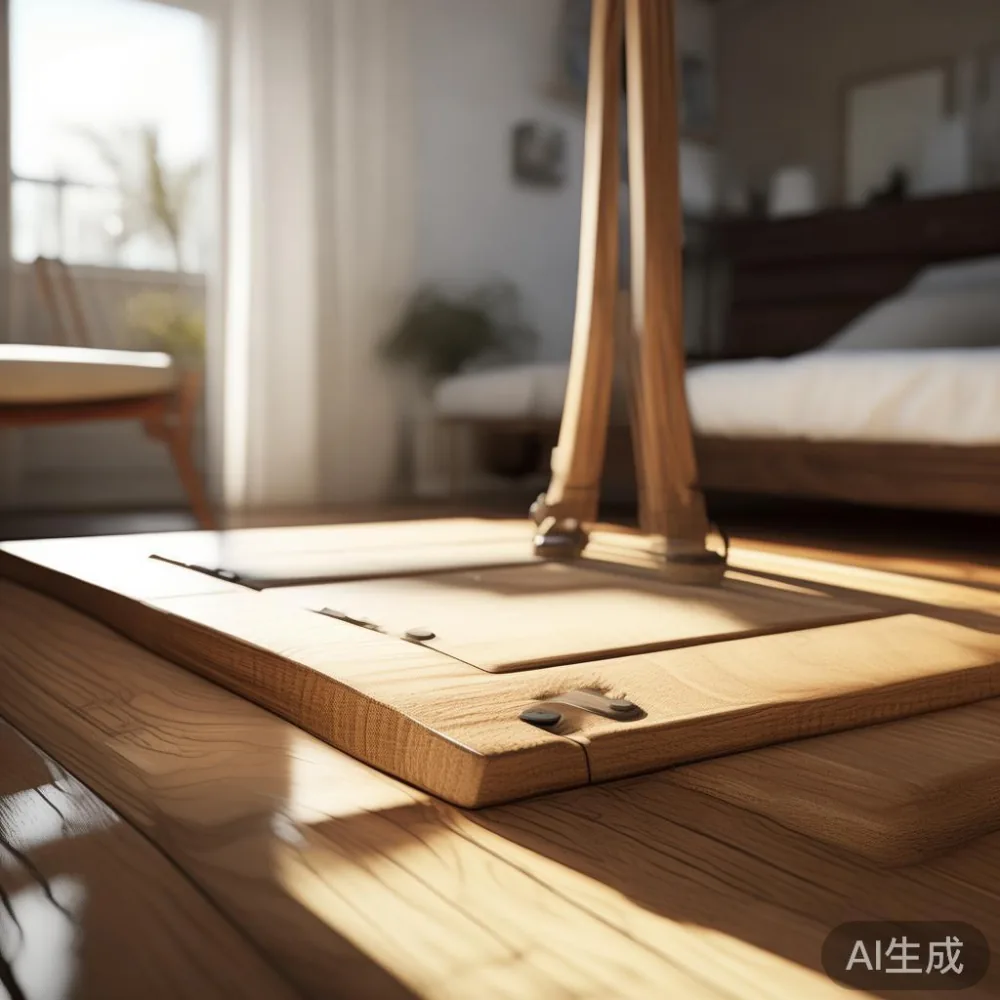
Most Singapore buyers I speak to assume the price gap between a budget solid wood dining table and a high-end one is mostly about the brand label. Some of it is. Most of it is not. The real cost lives in the wood species, the joinery, the drying process, the surface finish, and — for balcony furniture specifically — whether the piece can survive 32°C afternoons, 88% humidity, and the occasional thunderstorm gust through the side panels.
What species of wood is used, and how much does that actually matter?
More than any other factor. The species is the single biggest line item on a solid wood sofa, bed frame, dining table, wardrobe, or nightstand, and it shows up the moment you scratch the underside with a coin.
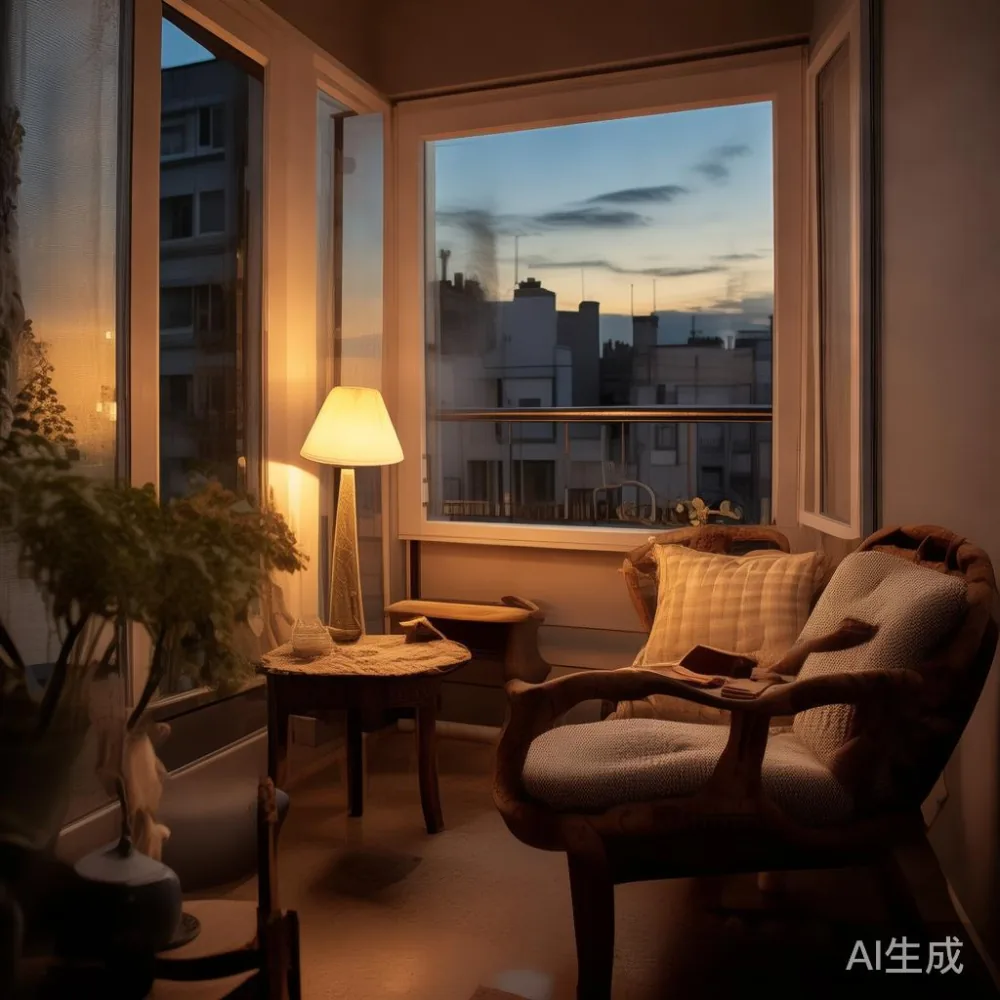
At the entry tier, manufacturers use rubberwood (Hevea brasiliensis), often labelled as "Malaysian oak" after a toning process. It is dense enough at 560–640 kg/m³ to feel reassuringly heavy, and a 1.8 m rubberwood dining table in a basic four-leg design lands around S$1,100–S$1,600 landed in Singapore. One step up is acacia, which runs 660–750 kg/m³ and has a tighter, more decorative grain. A similar acacia table sits closer to S$1,900–S$2,500.
Where the price climbs sharply is the imported hardwoods: white oak at roughly 750 kg/m³, ash around 670 kg/m³, and walnut between 640 and 700 kg/m³ depending on whether it is American or African stock. A 2 m white oak dining table from a Foshan factory working in the post-modern light luxury register will arrive in Singapore at S$4,200–S$6,500 before GST. Walnut commands another 15–25% on top.
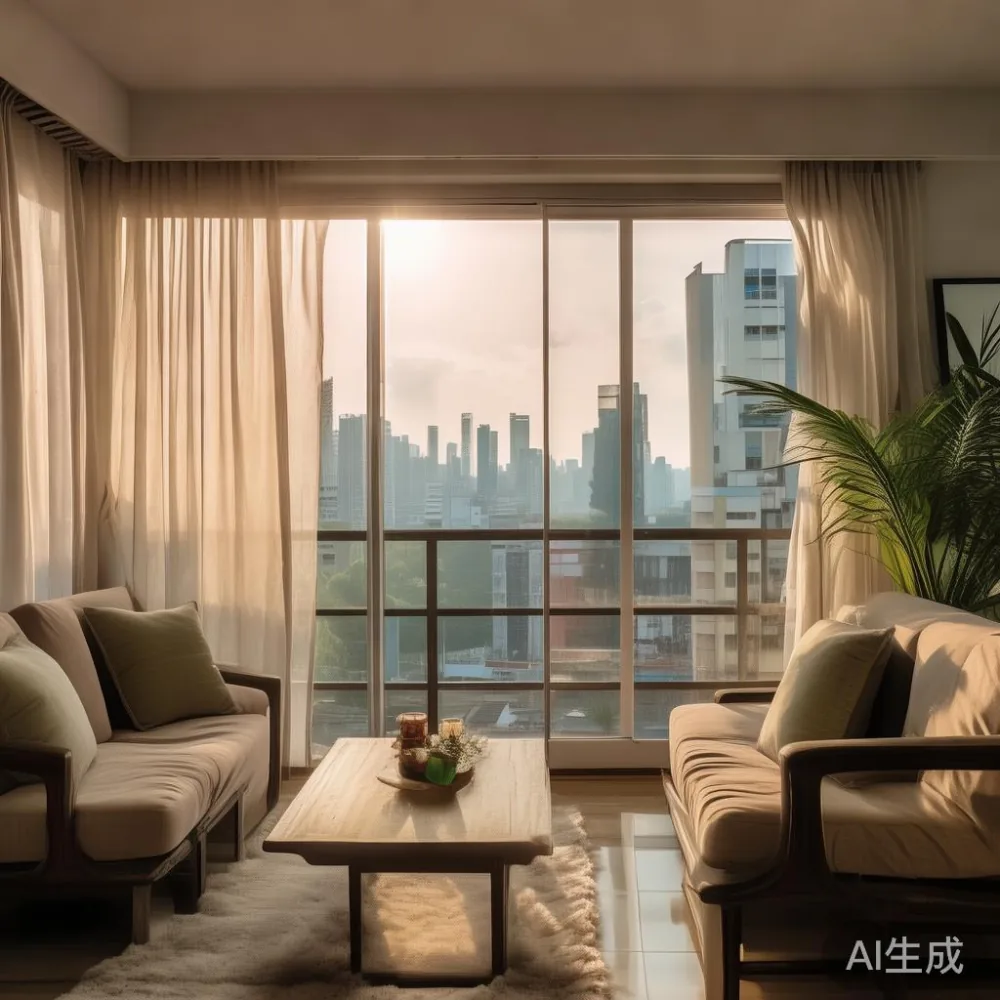
Why this matters on a HDB balcony: rubberwood and acacia handle our humidity reasonably well if the kiln-dry was done properly (moisture content brought to 8–12%). White oak and walnut do better, but only if the factory held them in a controlled drying room for 30–60 days. A factory that skips this step sells a S$3,200 table that warps within six months; a factory that does it properly charges S$4,800 for the same shape. That gap is the kiln schedule.
How do joinery and construction quietly add S$800 to S$2,400?
Pick up a budget solid wood dining table and a premium one of the same size. They weigh almost the same. Now flip them over. The budget table uses lag bolts, corner brackets, and a generous amount of glue. The premium table uses mortise-and-tenon joints, dowels, and sometimes traditional Chinese joinery like the master carpenter's finger joint — pieces that interlock and are then pinned.
Each mortise-and-tenon joint takes a skilled worker about 12–18 minutes to cut by machine and another 5 minutes to sand and fit. A six-leg dining table needs at least 24 such joints. That is roughly six hours of work that does not exist on a bolted table. Multiply by the worker's wage (around S$12–S$18/hour fully loaded in a mid-tier Foshan workshop), add the machine time, and you have a S$700–S$1,200 labour premium per table.
For a balcony furniture set — say, a two-seater solid wood sofa with a coffee table and two stools — the joinery math gets harsher. Sofa frames take more complex joints because they bear dynamic load (someone sitting down hard, kids climbing). I have seen price quotes jump from S$2,100 to S$3,600 on the same design purely because one factory uses through-tenons with walnut pegs and the other uses hidden metal brackets.
One real example from a Tampines condo project: a client ordered the same armless two-seater from two different suppliers. Supplier A quoted S$1,850 with bolt-and-glue construction. Supplier B quoted S$2,950 with mortise-and-tenon and a 10-year structural warranty. The B quote included lift-level delivery to the 22nd floor. Supplier A's quote assumed "doorstep" — which in that corridor meant the loading bay.
Which corner sofa fits a 4-room HDB living room?
A 4-room HDB living room in Tampines or Bedok typically gives you a usable wall run of 3.0 to 3.4 m after the kitchen entrance and the corridor door, with a depth of 2.8 to 3.2 m, so a left-or-right facing L-shape sofa with a total footprint of 2.4 m × 1.6 m (including the chaise) is the practical ceiling, and anything beyond 2.6 m on the long side will crowd the TV console and block the balcony sliding door.
Now read that back, because it is the only sentence that matters when you click "add to cart" on a corner sofa. The balcony sliding door in a standard 4-room flat is roughly 2.4 m wide and usually sits opposite the main sofa wall. If your L-shape exceeds 2.4 m on the long side, you cannot fully open the door — and on a Singapore afternoon with no wind, that door is your only cross-ventilation.
Here is how I would narrow it down in three steps:
1. Measure the wall where the sofa will sit, end to end, in cm. Subtract 20 cm for breathing room on each side. That is your max sofa length.
2. Decide the chaise side. Right-facing chaise works better when the balcony door is on the left of the sofa wall (common in Punggol BTOs); left-facing when the door is on the right (common in older Bedok flats).
3. Confirm the lift access. Most HDB lift cabins are 1.1 m deep × 1.4 m wide with a door opening of 900 mm. A corner sofa that splits into two pieces, each under 1.0 m on the longest side, will go in. One that ships as a single 2.4 m L-shape will not, no matter how much the seller charges for delivery.
For balcony-adjacent living rooms — which is most of them — a 2.2 m × 1.5 m solid wood frame corner sofa with washable covers, weighing roughly 65–75 kg total across two modules, is the realistic ceiling. Above that, you are paying for size you cannot use.
Why does a "marble table" cost S$1,200 more than its identical twin?
Because almost no marble table in the light-luxury category is a single slab. The pieces you see in the MIDHILL catalogue — and the broader Foshan light-luxury scene — are typically a sintered stone or natural marble top bonded to a solid wood or metal base. The top is where the cost hides.
Sintered stone in 12 mm thickness, 1.2 m × 0.6 m, runs about S$280–S$420 per slab at factory gate. Natural Carrara marble of the same size runs S$450–S$900 depending on veining consistency. A book-matched marble top — where two halves of the same slab mirror each other — can hit S$1,400 per pair. That is the S$1,200 you cannot see in the product photo.
The base looks identical on the listing: solid ash, turned leg, brass cap. The difference is what is underneath the marble. A budget base uses a thin plywood sub-frame with a marble veneer; a premium base uses a full solid wood skeleton with a 30 mm recess routed into the top rail so the marble sits flush, not proud. The recess routing alone takes 40 minutes per table.
If the piece will live on a balcony — and a small marble-top coffee table is one of the most common balcony furniture items in Singapore — ask whether the marble is sealed on all six sides. Unsealed marble in our humidity will stain from the first spilled kopi within weeks.
What does finish and surface treatment actually do for longevity?
A lot, and it is the easiest line item for a buyer to check with a 10-second test in the showroom. Run your fingernail across the surface. If it leaves a faint mark that wipes away, you are looking at a wax or oil finish over a stain. If it leaves nothing, you are looking at a catalyzed varnish or a polyurethane — usually two-component, sprayed in a dust-free booth.
The price difference between these two systems is roughly S$180–S$350 per dining table at the factory level, and the durability difference is years. An oil-finished walnut table in a Punggol balcony setting will need a re-oil every 6–8 months. A properly catalyzed lacquered walnut table will go 3–4 years before it shows wear, and a refinishing service — which a brand like MIDHILL offers on its pieces — will restore it rather than replace it.
For wardrobes and nightstands, the inside matters as much as the outside. Drawer boxes made of solid wood with dovetail joints and a clear matte finish inside will outlast any MDF or plywood lining, even though you never see them in the showroom. The cost adder is small per piece — usually S$60–S$120 — but it determines whether the wardrobe still closes flush in year eight.
How does shipping, lift access, and GST change the final number in SGD?
This is where Singapore buyers consistently underestimate the bill. A S$3,400 dining table in the catalogue does not arrive for S$3,400. Here is what actually lands on your doorstep, using a realistic Tampines 4-room HDB scenario:
• CIF Singapore (sea freight, door-to-door to a logistics warehouse): S$280–S$420 per dining table for a 1.8–2.0 m piece, depending on Foshan–Singapore lane rates.
• Last-mile delivery with lift access to the 12th floor: S$80–S$150, charged per flight of stairs beyond the third floor or per stop for lift-unfriendly buildings.
• GST at 9% on the full landed value, including freight: applied to (goods + freight + insurance). On a S$4,000 landed value, that is S$360.
• Installation (leg attachment, marble top placement, wardrobe assembly): S$120–S$280 depending on piece count.
Realistic all-in for that S$3,400 dining table: S$4,350–S$4,900. A S$2,200 dining table: S$2,950–S$3,400. The percentage spread is similar, but the absolute gap is what hurts.
Free shipping thresholds matter. MIDHILL offers free delivery over US$350 — at current rates roughly S$480 — so a single dining table clears it, but a single nightstand does not, and the S$80–S$150 last-mile fee suddenly becomes a 5–8% adder on a small order. For balcony furniture sets, where a customer is buying a sofa, coffee table, and two stools together, the threshold is easily cleared.
What about the warranty and refinishing promises — are they real?
A 10-year structural warranty means the factory is willing to replace the frame, the legs, or the load-bearing joints if they fail under normal use. It does not cover finish wear, water damage, or colour fade. Lifetime refinishing is more interesting: it means the factory will strip, sand, and re-finish the piece at cost-plus — typically S$280–S$650 per dining table depending on size — for as long as the brand exists.
For Singapore buyers, this matters because balcony furniture does not last forever outdoors, even with the best wood species. UV, salt air from coastal corridors like those in Punggol Waterway, and monsoon humidity will grey and roughen any solid wood surface in 18–36 months without a UV-protective oil or cover. A lifetime refinishing promise converts that inevitable wear from a replacement cost (S$3,000+) into a maintenance cost (S$400–S$600 every few years).
14-day returns, when the brand offers them, are the safety net for the buyer who measures wrong. The window matters because once a piece is built and shipped from Foshan, the freight is sunk. A 14-day window after delivery gives enough time to assemble, position, and decide — but it does not give enough time to live with it for a season. Treat the 14 days as a fit-and-finish check, not a long-term trial.
So what is the actual price driver, ranked?
From my notes across roughly 40 Singapore balcony and living-room projects over the last two years, the cost breakdown on a typical light-luxury solid wood balcony set (two-seater sofa + marble-top coffee table + two stools + side table) looks like this:
1. Wood species and grade: 38–46% of factory cost.
2. Joinery and labour: 18–24%.
3. Surface finish and top-coat system: 6–9%.
4. Marble or sintered stone top (if applicable): 8–14%.
5. Hardware (hinges, runners, drawer slides, soft-close): 4–7%.
6. Packaging and crating for export: 3–5%.
7. Factory margin: 12–18%.
Freight, GST, last-mile, and installation sit on top of that and typically add another 22–32% to the Singapore delivered price.
The honest answer to "what drives the price" is not "the brand." It is the kiln schedule, the joint count, the finish chemistry, the slab selection, and the corridor width on the 14th floor of a Punggol BTO. Once you measure those five things, the catalogue prices stop looking arbitrary and start looking like a reasonable map of what you are actually getting.
For balcony furniture specifically, the rule is narrower: spend the money on species and finish, save on hardware you cannot see, and never order a single-piece corner sofa for a HDB with a 900 mm lift door. The lift door does not care how much you paid.