Balcony Furniture Price Dynamics: Solid Wood Insights in Singapore
Solid wood furniture looks simple in a photograph, but its price is shaped by a chain of measurable decisions: the species, the moisture treatment, the dimensions, the joinery, the finish, the hardware, and the logistics required to reach an apartment in Singapore. A 120 cm dining table and a 240 cm dining table may share the same visual style, yet they can differ by thousands of dollars because of timber volume, weight, packaging and delivery constraints.
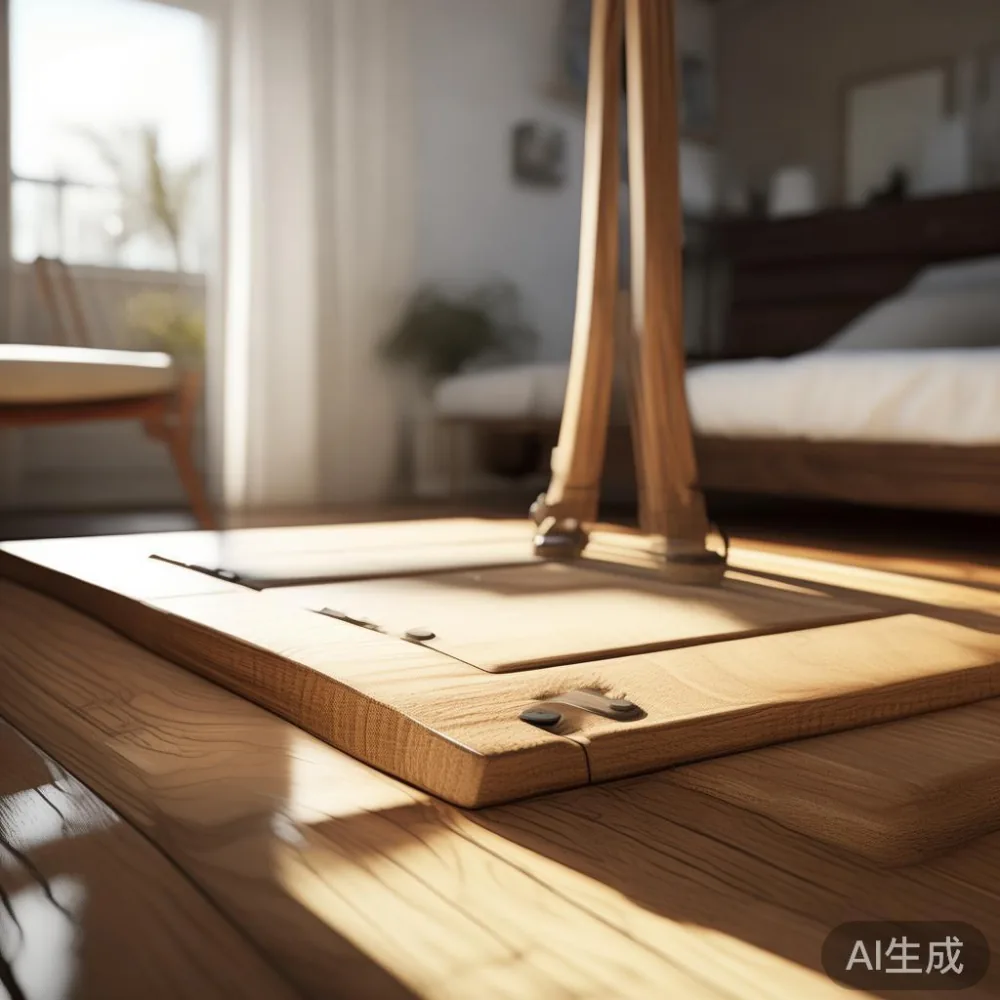
This matters especially for balcony furniture. Singapore HDB flats in Tampines, Bedok and Punggol often have compact living rooms, narrow corridors and lifts with fixed door widths. Buyers are naturally attracted to a French light luxury look, American light luxury styling or post-modern light luxury, but the delivery route can be as influential as the design. MIDHILL was established in 2008 and exports to more than 15 countries; its 10-year structural warranty and lifetime refinishing policy give buyers useful context for comparing solid wood products beyond the sticker price.
The aim here is not to label one material as automatically superior to another. It is to explain where money goes, why quotations can differ, and how to judge whether a piece matches its price.
What determines the price of a solid wood dining table?
The timber species is usually the first price variable. A dining table made from rubberwood, oak, ash, walnut or another commercial hardwood may look quite different after finishing. Dense species generally require more careful machining and higher-priced raw stock, while the pattern and colour of the board affect selection costs. Veneered construction can reduce material expenditure, whereas a table described as solid wood should identify the wood used across the top, frame and components rather than relying on a broad label.
Dimensions amplify every cost. A 140 cm solid wood dining table seating 6 people may weigh roughly 45-65 kg, depending on the timber and construction. A 200 cm version could weigh 70-100 kg. Moving that weight through a condo corridor and onto a lift can require a two-person crew, while a flat-pack design can reduce the transport volume but increase assembly time and packaging.
Joinery affects price because it determines how the table behaves over years. Mortise-and-tenon joints, tapered legs and reinforced corners require more layout, cutting and fitting than basic screw assembly. The hardware also matters: concealed hinges, soft-close mechanisms and adjustable feet are not decorative extras, particularly in furniture designed for repeated use.
Here is a simple Singapore comparison. A 160 cm dining table in a basic solid wood construction may begin around SGD 1,400, while a similarly sized table in a more demanding hardwood, refined finish and detailed joint system may reach SGD 3,200 or more. Marble table alternatives can move into another price band, but marble brings its own issues: weight, brittleness, pore sealing and the need for specialised installation.
Is French bed worth it for a Singapore apartment?
That question depends less on the country name printed on the description and more on the bed frame itself. A French-style solid wood bed frame usually features curved lines, carved details, upholstered surfaces or a decorative headboard. Those features consume extra timber and labour. An upholstered headboard may add 15-30 kg, while carved ornament can require several hours of shaping and finishing.
For an HDB bedroom, the mattress size is only part of the fit. A queen bed measures approximately 152 cm wide by 203 cm long in Singapore, but the outer frame may reach 160-170 cm wide. A king bed can exceed 180 cm. Before ordering, measure the bedroom door, lift opening and the turning space at the corridor corner. A 190 cm internal corridor is manageable for many beds; an unusually tight junction at 140-160 cm needs closer checking.
The phrase is French bed worth it is useful in a practical sense: a French-style frame can make a restrained room feel more layered, but it should still allow 60-90 cm of circulation beside the bed and 70-120 cm in front of the foot where possible. Check that the headboard does not block a window, switch or air-conditioning outlet.
Price comparisons should be made with the same specification. A solid wood bed frame with a slatted base and stable centre supports may sit between SGD 1,300 and SGD 3,500, while carved, upholstered or more elaborate versions can cost SGD 4,000 and above. The quoted price should state the mattress size, dimensions, slat spacing, centre supports and whether the mattress is included.
How much do timber grade, moisture and finish add to the cost?
Wood grade determines appearance and structural consistency. Clear-grade boards with fewer knots can command a higher price because more of the sheet is suitable for visible surfaces. Boards with knots, mineral streaks or uneven colour may be perfectly serviceable, but they are usually less consistent across a large tabletop or wardrobe front.
Moisture control is particularly important in Singapore’s humid climate. Responsibly seasoned timber should be brought to a moisture level suited to local conditions before assembly. If a solid wood dining table, wardrobe or nightstand arrives with wet wood, doors may not align, panels may move and cracks can appear later. Ask for the drying method and target moisture range rather than accepting a vague claim that the wood was kiln dried.
Finish affects both price and maintenance. A water-based matte coating may cost less and make small repairs easier. Lacquer, oil or a harder-wearing multi-coat surface may cost more because each preparation and coating stage takes time. Very dark stains can also require more sanding and filling. A test should feel smooth across the grain, with no exposed sharp edges or pooled finish in joints.
One practical test I completed last month involved checking the underside and edge of three solid wood samples at a supplier in Foshan. The price gaps were 18 percent between the lowest and middle sample, and 37 percent between the lowest and highest. The highest sample had a more even finish and tighter corner transitions, but the lowest sample still used credible timber. The extra cost was going into preparation and finish quality rather than into a decorative feature.
How do wardrobe and nightstand prices compare with sofas?
A solid wood wardrobe carries a different cost structure from a solid wood sofa. Large vertical panels demand stable, well-seasoned timber, while hanging rails, drawer runners, hinges and interior fittings add hardware costs. A 180 cm two-door wardrobe may weigh 80-130 kg. A 240 cm three-door model can reach 150-220 kg. That weight affects delivery to Singapore, especially where the lift has a limited rated capacity or the service corridor is narrow.
A basic wardrobe may begin around SGD 1,900, with fitted interiors, thick framed doors, concealed hinges and premium hardware moving the price towards SGD 4,000-SGD 6,500. A bespoke full-height installation can cost more because it includes measuring, top fillers, alignment and on-site work.
A solid wood nightstand is smaller, but size does not make the sourcing process simpler. A 45 cm unit may require the same timber selection and finish standards as a larger piece while offering less opportunity to spread those costs across a broad surface. Good examples commonly fall between SGD 350 and SGD 900.
A solid wood sofa introduces upholstery, foam and labour beyond the timber frame. A three-seat model may use a frame around 210-240 cm long, with depth near 90-100 cm. The same frame can vary by hundreds of dollars depending on fabric, cushion density, stitching and arm construction. A three-seat solid wood sofa may therefore range from roughly SGD 2,500 to SGD 6,500, while a more tailored or premium-upholstered version can exceed SGD 8,000.
Buyers searching for for sale Mid-century modern furniture should compare these hidden specifications. A clean silhouette can disguise inexpensive joinery, and a traditional appearance can conceal tightly fitted solid wood construction. Marketing language is not a substitute for measurements.
What does light luxury change in the price?
Light luxury generally shifts spending from mass ornament towards proportion, material quality, tactile finishes and controlled detailing. French light luxury might use pale oak, ash or walnut, curved profiles, slim metal accents and softly upholstered elements. American light luxury tends to lean on generous proportions, deep cushions, clean lines and substantial-looking timber. Post-modern light luxury may combine familiar silhouettes with restrained asymmetry or mixed materials.
These styles are not defined by one material. A French light luxury balcony furniture set can use solid teak or aluminium frames, while a marble table can provide a French-style focal point with a carefully proportioned base. The point is visual discipline rather than the number of decorative pieces.
For hospitality projects, the phrases Italian light luxury for hotel and Mid-century modern for hotel point to a different buying calculation. Commercial use may require contract-grade fabrics, stronger joints, documented care procedures and fire-safety information where specified. Commercial procurement also considers replacement lead times; a 6-10 week production cycle and a 2-4 week shipping schedule should be distinguished from a 2-3 week made-to-order cycle.
In a home setting, light luxury can be created through balance. One 110 cm solid wood sofa, one 120 cm coffee table and two compact side pieces may create more visual calm than several crowded objects. On a Singapore balcony measuring 3.5 m by 1.5 m, leave enough space for a 70 cm opening door and two chairs that can be moved without scraping the railing.
How much do balcony furniture size and delivery add?
Balcony furniture prices include a transport problem that indoor furniture catalogues sometimes understate. A folding chair 55 cm wide may fit through a standard lift, but a 90 cm armchair may need to be turned on its side. A 100 cm solid wood dining table should be measured diagonally against the lift door; a 100 cm square top has a diagonal of about 141 cm. Even if that diagonal clears the opening, the corners and corridor turns still matter.
In many Singapore condo corridors, widths of 140-180 cm provide a workable route, though plants, shoe cabinets and parked bicycles can reduce the clear path. An HDB lift may measure around 100-120 cm at the door and 110-140 cm in depth, depending on the block. These are common planning ranges, not guarantees for a specific address.
Delivery charges can reflect distance, carrying distance, stairs and packing. A curbside delivery with room placement may cost around SGD 60-SGD 150 for a normal local order, while a difficult high-floor delivery or a large wardrobe may add more. If furniture is flat-packed, the quote should still mention whether assembly, removal of packaging and placement are included.
Singapore GST is another factor. Display prices can be shown before or after 9 percent GST, so both figures should be confirmed. MIDHILL states free shipping for orders over US$350, but international freight, customs charges and local delivery are separate variables and should not be assumed to be included.
Buyers looking for cheap French provincial furniture should compare the total delivered cost rather than the factory price alone. A lower-priced piece may require 2-3 hours of assembly and may use a heavier carton, increasing freight exposure. A modest premium for flat-pack construction can sometimes produce a lower landed cost in a high-rise apartment.
How can you style Japandi bed in apartment without wasting space?
Knowing how to style Japandi bed in apartment is partly a matter of visual proportion. Japandi typically combines pale timber, clean lines, low profiles and restrained decoration. In a compact HDB room, a low-profile solid wood bed frame can make the space appear less crowded, although the mattress should still be supported properly and not be forced into a position that makes getting in and out difficult.
A queen mattress usually needs at least 60 cm of clear space on one side for daily use, with more preferred on both sides. A 150 cm wide bed may suit a 200-230 cm room better than a king, but the door swing, wardrobe opening and existing furniture should be measured before choosing. A wall-mounted 40 cm nightstand can free floor area, though it must be fixed into suitable structure rather than ordinary plasterboard.
Keep the balcony connected to the interior through material and colour rather than filling every metre. Pale solid wood used on a balcony furniture dining set can echo a Japandi bed frame. One 70 cm planter, a 35 cm side table and one 100 cm bench are often enough for a 4-6 sq m balcony. A 90 cm parasol should have a stable base and should not block access to the service yard.
Before payment, request an itemised quotation covering dimensions, timber, finish, hardware, assembly, lead time, delivery terms and warranty. Confirm that stock items and custom pieces have different timelines; leave 2-4 weeks for local delivery after production and 6-10 weeks for some custom international orders. This makes it easier to identify where the price actually goes.