Veneer or Solid Wood: A 5-Year Cost Comparison for Singapore Balcony Furniture
For a balcony in Tampines, Bedok, or Punggol, the purchase price of furniture is only part of the decision. A 120 cm balcony table may look identical to a solid piece on delivery day, yet the two materials can behave very differently under Singapore humidity, intense afternoon sun, Lift access restrictions, and the wear of daily use. Over 5 years, the right comparison includes cleaning, repairs, refinishing, replacement parts, delivery, and the time cost of choosing badly.
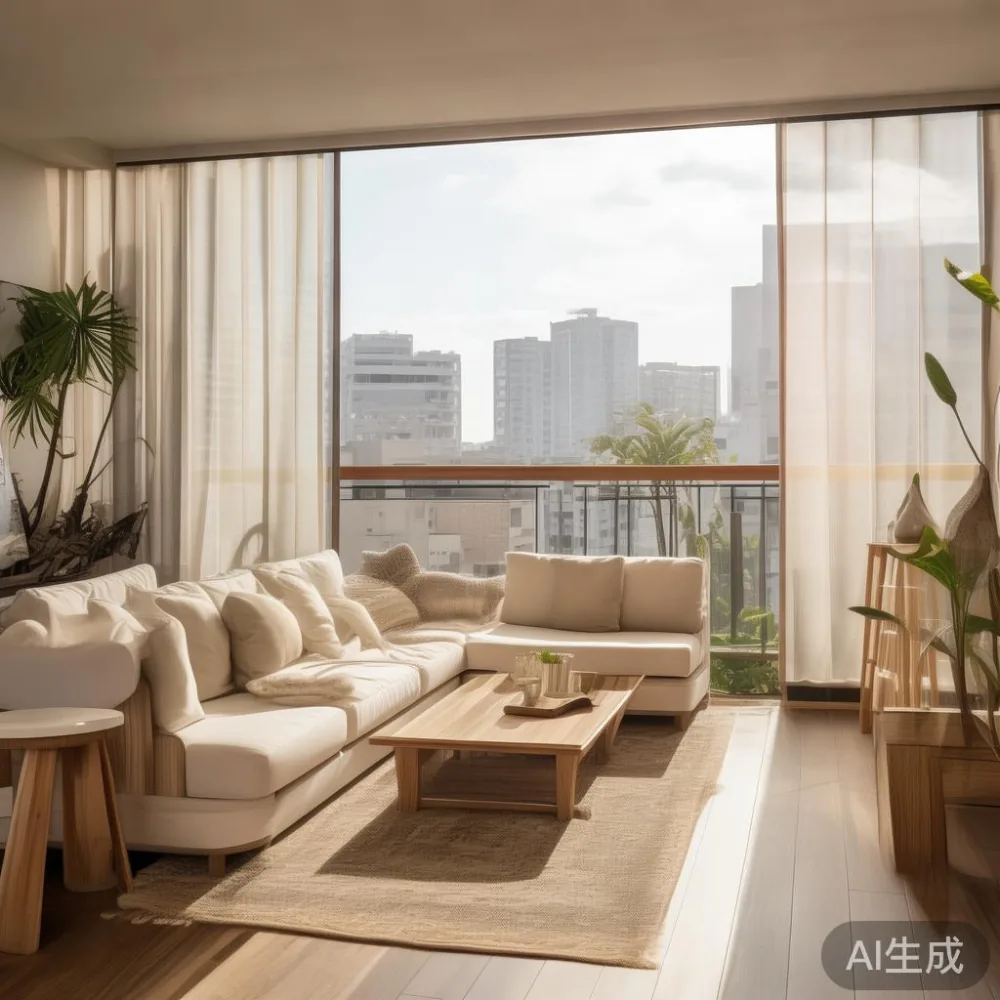
This guide compares mid-range veneer balcony furniture with solid wood balcony furniture using realistic Singapore prices in SGD. It also considers related indoor pieces such as a solid wood sofa, bed frame, dining table, wardrobe, nightstand, and marble table, because material choices often move between rooms in an HDB flat or condo.
What Is the 5-Year Cost Difference Between Veneer and Solid Wood Balcony Furniture?
For a typical 120 cm dining table, assume an initial veneer price of SGD 680, compared with SGD 1,260 for solid wood. Add delivery at SGD 45 for a small flat-packed order, or SGD 90 for a scheduled two-person delivery. In an HDB block, a 70 cm wide lift door and an 80 cm wide common corridor may be more limiting than the balcony itself. A 120 cm table can arrive unassembled, while a marble table may need a specialist crew.
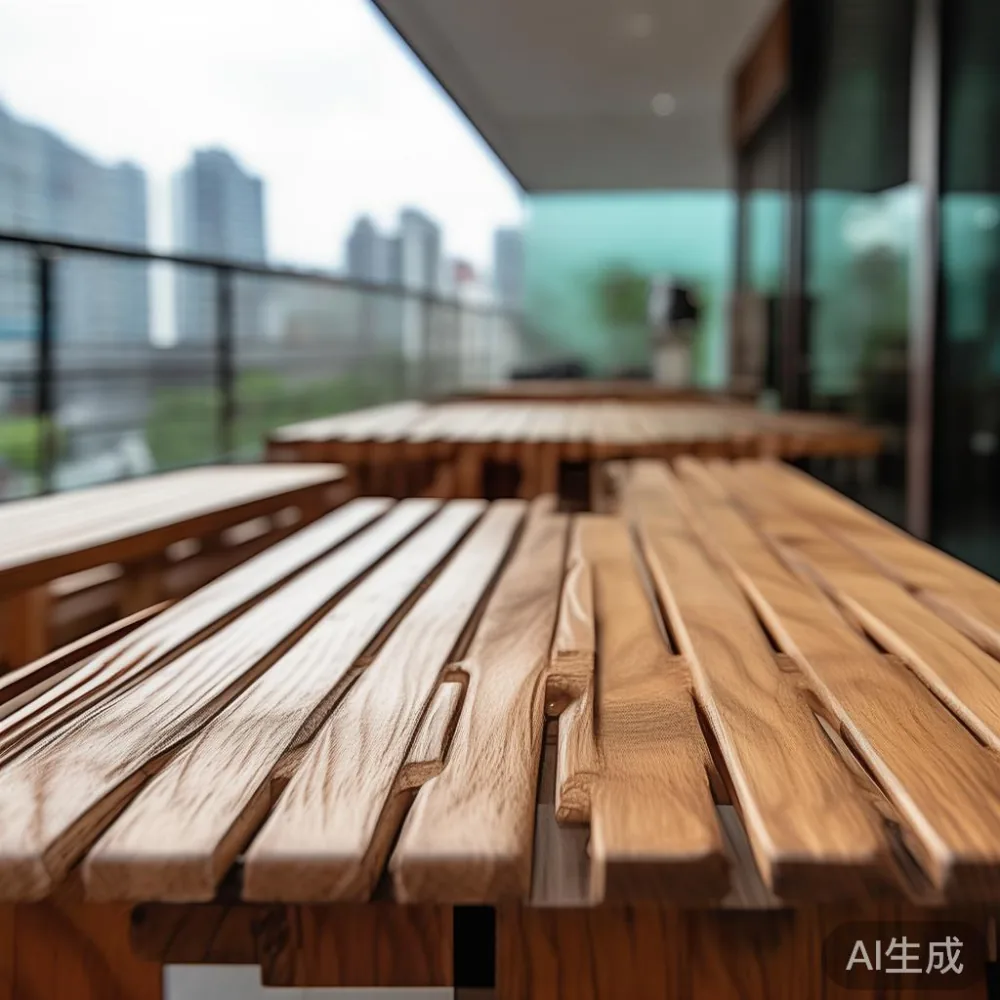
Here is a simple 5-year model:
Veneer dining table: SGD 680 purchase + SGD 45 delivery + SGD 120 cleaning and small repairs + SGD 80 replacement feet or hardware + SGD 60 optional refinishing = SGD 985.
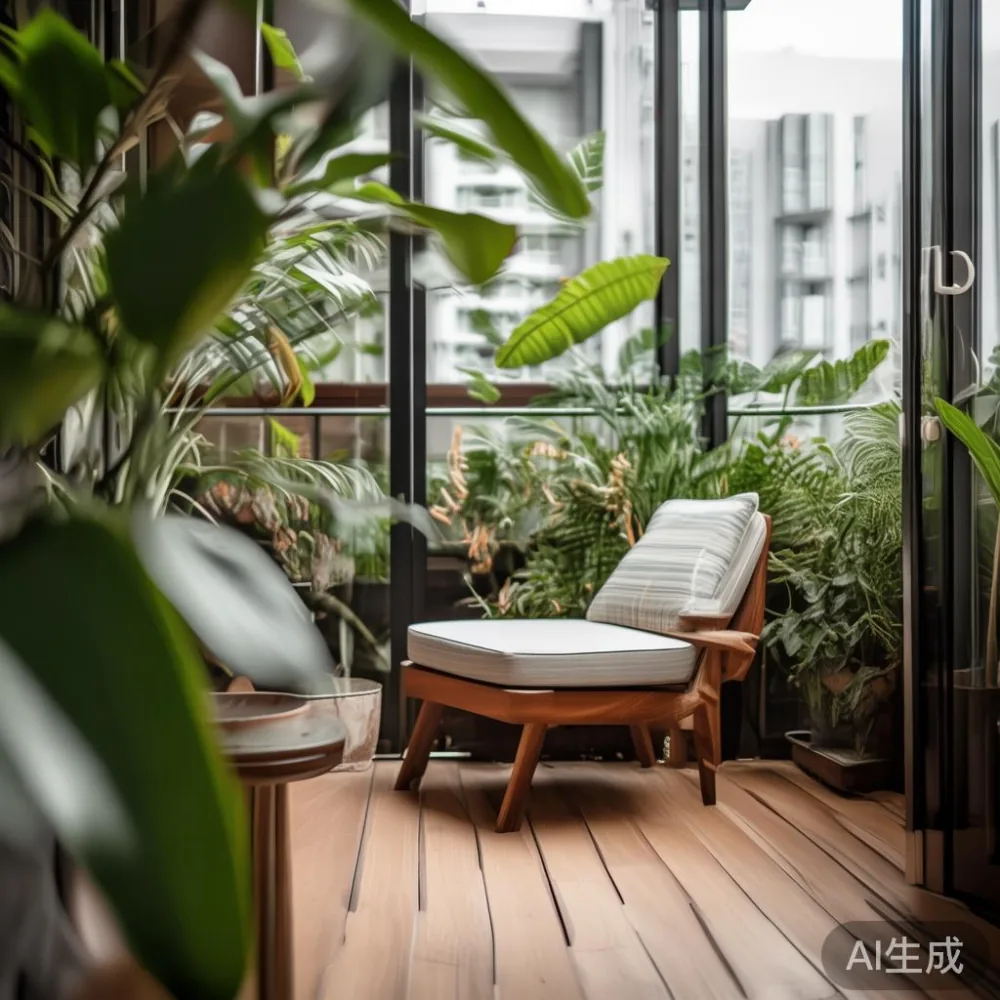
Solid wood dining table: SGD 1,260 purchase + SGD 45 delivery + SGD 90 oiling twice yearly + SGD 120 minor repair + SGD 40 part replacement = SGD 1,555.
The difference is SGD 570 over 5 years, or about SGD 114 per year. If the veneer table develops peeling edges after 3 years, a SGD 150 repair could push its total to SGD 1,105, still below the solid wood figure. If solid wood suffers a deep split in year 4 and needs a SGD 280 repair, its total becomes SGD 1,835. The outcome depends less on the label than on exposure, maintenance, and construction.
Veneer can make sense for a dry, shaded condo balcony with light use. Solid wood is usually more forgiving if you want a piece that can be sanded and refinished, especially where children, pets, plants, and frequent meals are involved. MIDHILL’s solid wood balcony tables are designed with serviceable components and finish options suited to this local context, although the exact price varies by size and timber.
How Much Does Veneer Cost Over 5 Years?
Veneer is a thin layer of real wood bonded to a panel, commonly 0.6 mm to 1.2 mm per leaf, with a chipboard, MDF, or plywood core. A quality veneer dining table might sell for SGD 480 to SGD 900, while a 60 cm balcony chair may cost SGD 90 to SGD 180. The material is lighter: a 4-seat veneer table may weigh 28 kg, compared with 48 kg for solid hardwood.
Those lower weights can matter in a Singapore home. A 70 cm lift opening and a 75 cm corridor turn make a 28 kg table manageable, whereas a 48 kg solid wood table may need two people. A compact 90 cm veneer balcony table may fit a narrow HDB balcony, but a 120 cm solid wood version could overhang a 105 cm recess. Measure doorways, the lift car, corridor turns, and the route to the balcony before ordering.
For the 5-year calculation, use these estimates:
- Monthly wipe-down: SGD 8, or SGD 480 over 60 months.
- Humidity-related edge or veneer repair: SGD 80 to SGD 180 once during the period.
- Leg, screw, or bracket replacement: SGD 25 to SGD 75.
- Delivery: SGD 45 for a flat-packed order or SGD 80 to SGD 120 for a larger item.
- Disposal or removal fee: SGD 30 to SGD 60 if the piece is replaced after 4 years.
A veneer balcony furniture set at SGD 850 plus SGD 70 delivery and SGD 240 in maintenance could reach SGD 1,160 by year 5. A low-cost veneer product can be sensible when the balcony is covered and furniture is moved indoors during unusually wet periods. A poorly sealed product can be expensive if its edges bubble, its surface scratches, or its laminate peels.
The finish matters more than a simple material category. Matte, water-resistant finishes are easier to wipe. Gloss finishes show dust and water marks. Ask for the exact coating name, expected cleaning method, and repair policy. A seller who cannot explain how a damaged edge is treated has not provided enough information for a 5-year budget.
How Much Does Solid Wood Cost Over 5 Years?
Solid wood furniture uses timber through the visible surface, commonly beech, oak, ash, rubberwood, or other species. A 120 cm dining table may weigh 42 to 58 kg and cost SGD 980 to SGD 1,800. A 150 cm solid wood dining table can reach SGD 1,450 to SGD 2,600, before delivery. The weight often explains the SGD 90 to SGD 180 delivery charge in Singapore.
Solid wood is not maintenance-free. Direct sunlight can fade oak, while repeated moisture exposure may cause checking, especially in teak or other dense species. Cleaning with a damp cloth, not a soaking wet cloth, is sensible. Oiling twice a year may cost SGD 25 to SGD 60 if you do it yourself, while a professional touch-up may cost SGD 80 to SGD 180.
A five-year solid wood budget might include SGD 1,260 for the table, SGD 90 delivery, SGD 180 for oil and polishing supplies, SGD 120 for minor repairs, and SGD 60 for replaceable hardware. The total is SGD 1,710. If you schedule refinishing in year 4, add SGD 220, bringing it to SGD 1,930. If the piece is protected from rain and direct sun, the finish may only need a light refresh rather than full restoration.
This is where solid wood earns its place in a balcony. A 100 cm solid wood bench can be sanded after scratches; a matching veneer panel often requires replacement. The advantage is practical rather than decorative. It is useful to compare the cost of two similar units, not a SGD 300 chair against a SGD 1,900 table. Use identical dimensions, timber grade, finish level, delivery terms, and warranty coverage.
For an HDB flat, solid wood may also fit the home’s physical limits less easily. A bed frame can be delivered in separate rails, but a wardrobe of 180 cm may need sectional panels to pass through a 70 cm lift doorway. A compact solid wood sofa of 180 cm may weigh 65 kg and need two people. Check whether the supplier can deliver in cartons and assemble inside the unit.
Which Material Handles Singapore Humidity Better?
Singapore’s outdoor conditions create a demanding test. Relative humidity commonly changes through the day, and a west-facing balcony can receive several hours of direct afternoon sun. Solid wood can move by around 1 to 3 mm across a 100 cm board as moisture changes. That movement is normal. Veneer can remain dimensionally stable in the core, but its thin face layer may crack, lift, or discolor if moisture reaches the edges.
For a balcony, placement matters more than any marketing label. Use a covered area where possible, keep furniture at least 30 cm from a wall where airflow is limited, and avoid standing water in plant trays. A timber table should not be placed beneath an air-conditioning drip line. Outdoor cushions should be removed during heavy rain, and fabric should be washed every 2 to 3 months if it is exposed.
Solid wood balcony furniture should have sealed end grain and underside surfaces. Veneer furniture needs sealed edges, a stable core, and a finish that has been applied to all sides. During my visit last month to a supplier in Foshan, I watched a 120 cm oak-toned table undergo a 20-minute water-rub test. The finish showed no transfer after wiping, while an unsealed sample left visible moisture on its edge. That test did not guarantee a 5-year lifespan, but it showed why the finish and edge sealing deserve attention.
Salt-laden air near some coastal condo areas is another factor. Clean stainless fittings with a soft cloth and dry them after rain. Stainless hardware can resist corrosion, but ordinary steel screws may rust within 12 to 24 months. For solid wood, wax or oil should be reapplied according to the supplier’s instructions. For veneer, avoid steam cleaning, which can force moisture into the bond line.
If your balcony receives direct sunlight and you plan to keep the furniture there for 5 years, solid wood with a durable finish is usually the easier long-term repair story. If the balcony is sheltered and the furniture is light-use, a well-made veneer table can still provide a controlled budget. A marble table is different again: it can tolerate heat and scratches well, but it is heavy, brittle at corners, and expensive to move. A 120 cm marble table may weigh 75 kg, so a lift and corridor check are mandatory.
What Should You Compare in the Warranty and Refinishing Policy?
Price is only meaningful when the service terms are clear. Ask whether the 10-year structural warranty applies to the frame, tabletop, drawer, or all components. For veneer, a warranty may cover delamination but not a scratch caused by a household accident. For solid wood, structural coverage may exclude checking caused by outdoor exposure. Read the exclusions before payment.
Record these details in writing:
- Five-year repair or replacement terms for joints, frames, and tabletop movement.
- Whether veneer edge lifting is covered after month 6 or month 12.
- How many refinishing services are included during 5 years.
- Delivery days, installation days, and lift-access charges.
- Return windows and the condition required for original packaging.
A Singapore supplier’s local service can reduce the hidden cost of transporting a damaged piece. A 180 cm wardrobe with loose panels may be repaired more easily than a fully assembled solid wood unit. MIDHILL exports to more than 15 countries and provides a 10-year structural warranty and lifetime refinishing, terms that should be compared directly with local dealer coverage.
For shoppers researching under 2000 light luxury furniture, include the service cost in the comparison. A SGD 1,600 dining table with one refinishing visit may be more economical than a SGD 1,100 table that needs a full replacement after 4 years. GST is normally shown separately in Singapore, so budget the tax separately rather than treating a displayed price as the final cash amount.
Ask for samples. A 10 cm timber chip can reveal whether the surface is open-pore or lacquered. Test the finish with a damp white cloth and check the underside. Inspect the joinery at 10 cm from the edges: look for even gaps, recessed screws, and a straight underside. These small checks can reveal more than a large showroom photograph.
How Do Light-Luxury Styles Change the Material Decision?
Light luxury is not a material guarantee. French light luxury often uses pale oak, cream upholstery, curved profiles, and slim dining tables. American light luxury tends toward oak or walnut tones, generous seating, and a solid visual weight. Post-modern light luxury can combine a marble table, a solid wood bed frame, and clean-lined storage, but the mix still needs consistent proportions.
A small 90 cm balcony table should not overpower a 110 cm HDB recess. A 120 cm solid wood dining table may suit a condo balcony with 140 cm of clear width, while a 90 cm round veneer table may suit a narrower living area. A round edge can improve circulation, but a marble top requires a stable base and careful lifting. A solid wood coffee table under 90 cm long is easier to move than a 120 cm rectangular unit.
For bedrooms, light luxury for bedroom often means restrained wood tones and comfortable proportions rather than excessive decoration. If you are deciding between light luxury bed vs Italian light luxury bed, compare the timber, finish, dimensions, and service terms. Italian-inspired naming does not tell you whether a bed frame is solid wood or veneer, nor whether its parts can be replaced locally.
Similarly, how to style Japanese wardrobe in apartment depends on clearances. A 150 cm Japanese-inspired wardrobe with sliding doors may save 30 to 60 cm of swing space compared with hinged doors, but its depth can still be 55 to 60 cm. Leave 5 cm behind the unit for ventilation and maintenance. For a narrow bedroom in a Bedok HDB flat, a 120 cm wardrobe may be more practical than a 180 cm unit.
These style questions also apply to the balcony. A solid wood bed frame indoors can share the same timber tone with balcony seating, while a light wood coffee table can bridge French light luxury and post-modern light luxury. A marble table is better reserved for a dry, stable surface. For a nightstand, solid wood can be repaired at a corner; veneer can be more affordable but should be kept away from damp towels and direct sunlight.
What Delivery Details Should Singapore Buyers Confirm?
Measure the complete route before ordering: the parking bay, ground-floor entrance, lift door, lift car, corridor width, turn, staircase, balcony threshold, and final placement spot. A 70 cm lift door is narrow for many assembled pieces. Record the internal lift-car width and depth as well as the door width, because a piece can enter the lift but turn poorly inside it.
Ask whether delivery is flat-packed, knock-down, or fully assembled. A solid wood bed frame may arrive as 2 side rails, 1 headboard, and 1 slat support. A wardrobe may be delivered as panels no wider than 60 cm. A dining table may have removable legs, reducing its packed length by 40 to 80 cm. These numbers should be supplied before payment.
Confirm the delivery window in days. A stock item may arrive in 3 to 7 days after payment, while a made-to-order piece may take 30 to 60 days. For a condo, include lift reservation, parking, and access charges. For an HDB block, find out whether the building has designated moving hours. A delivery that reaches the block in 20 minutes can still fail if the corridor is blocked by another carton.
After delivery, inspect the item within 24 hours. Photograph the veneer edges, tabletop underside, joints, hardware, and packaging. Keep the receipt and assembly instructions. If a defect appears, report it before sanding or painting the surface. For a 5-year cost comparison, assume 2 hours to assemble a simple table, 3 to 5 hours for a bed frame, and 4 to 7 hours for a wardrobe. At an implied value of SGD 25 per hour, your time contributes SGD 50, SGD 75, or SGD 100 to the true cost.
Which Choice Fits Your Balcony and Your 5-Year Budget?
Choose veneer when the balcony is sheltered, the item is light enough for your access route, and your budget is fixed. A 90 cm table at SGD 520, with SGD 60 delivery and SGD 120 of likely repairs over 5 years, may total SGD 700. Choose solid wood when the piece will be used daily, exposed to changing weather, or expected to remain in place after the first year. A 120 cm table at SGD 1,260 with maintenance and repair may total around SGD 1,710, yet it offers a stronger refinishing option.
Do not compare only the material name. Compare 60 cm versus 90 cm dimensions, 28 kg versus 48 kg weights, flat-pack versus assembled delivery, 3-day versus 45-day lead times, and 5-year repair access. Check whether a supplier provides a warranty, replacement hardware, finish samples, and written care instructions. Those details are part of the furniture’s real cost.
For a Singapore balcony, solid wood is often the more reassuring long-term choice when maintained, while well-made veneer can be a sensible budget option when kept sheltered. Measure first, protect the piece from standing water, and reserve part of the purchase budget for the inevitable small repair. That approach makes the 5-year comparison less about chasing a fashionable finish and more about owning balcony furniture that remains useful after the handover day is long gone.